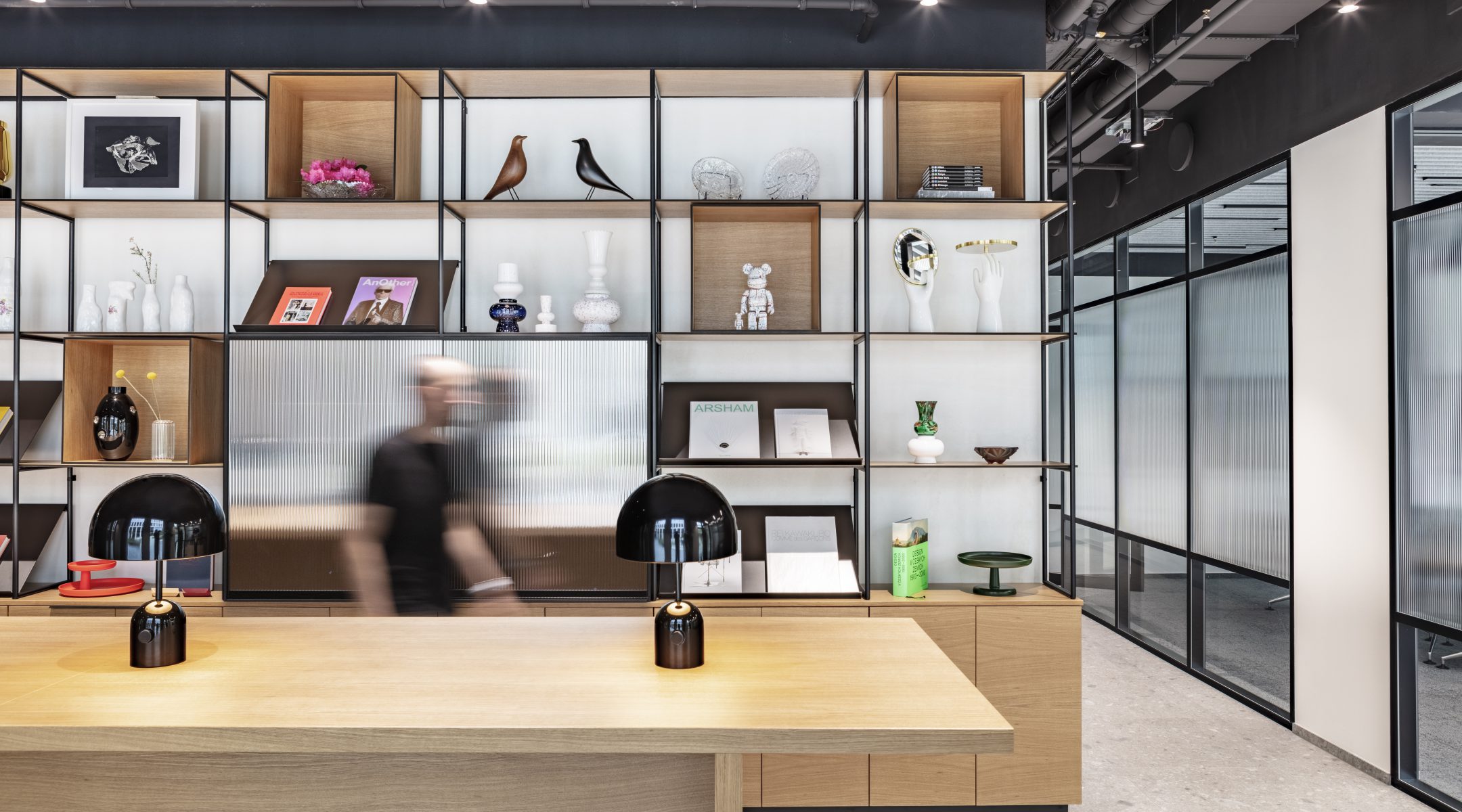
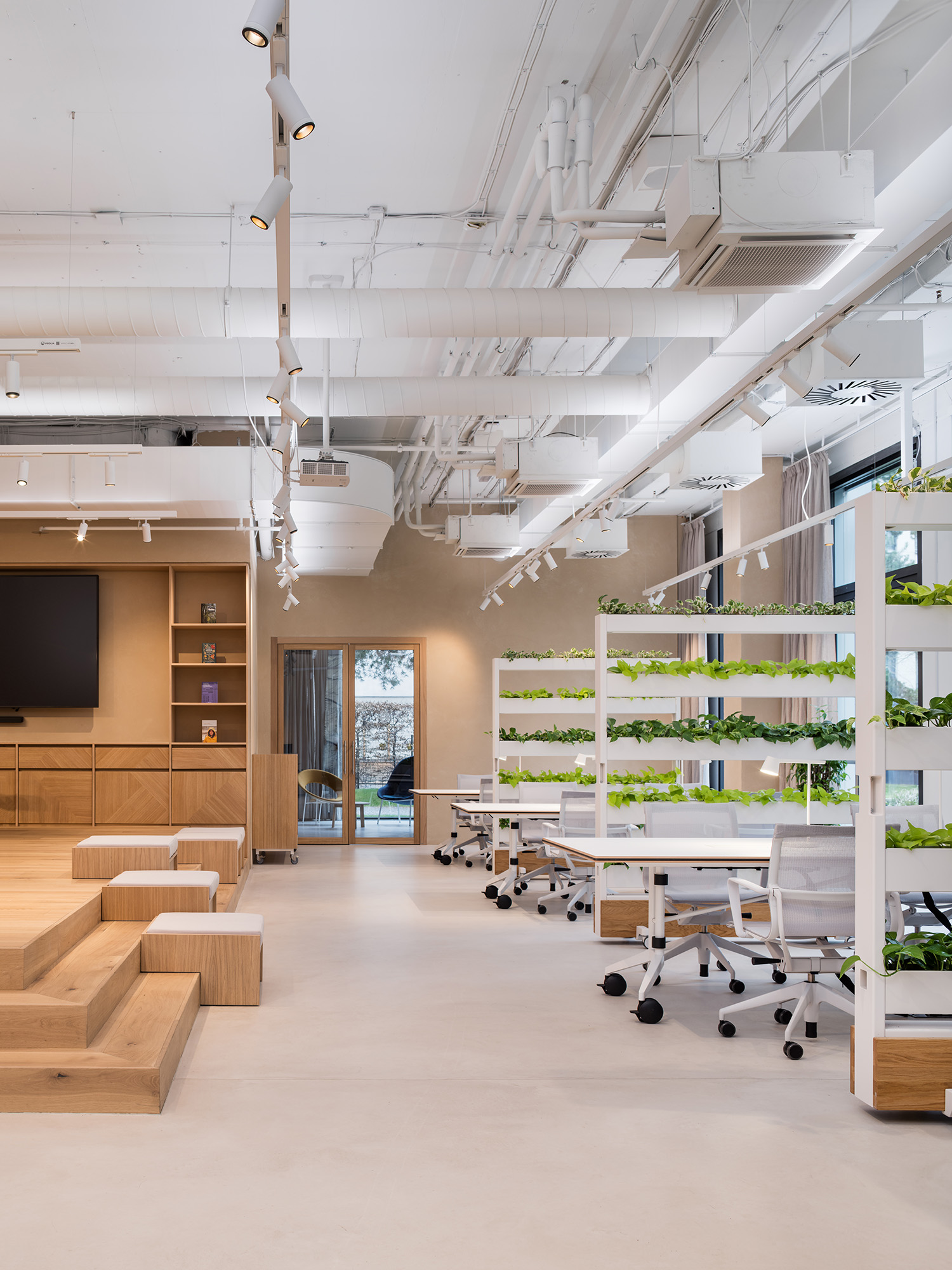
How we worked “before Covid”
The 1:1 model did not originate as a strategic decision. It came about as a result of the way things were done at the time. The office was a place where people went every day. Teams were stable, work was synchronous, and most employees spent the entire work week in the office. In such a context, a fixed ratio of jobs made sense.
Pandemic has changed the use of space
The pandemic has shown that we don’t have to go to the office every day and that some work can be done effectively asynchronously.
Today, most companies no longer operate in a 5:0 mode (5 days in the office and 0 days in the home office), but rather in a hybrid model, often around 3:2. Thus, attendance naturally breaks down into patterns:
- some days are full (typically the beginning of the week)
- followed by midweek peaks (Tuesday-Thursday)
- Fridays tend to be significantly emptier
Data from the real estate market has long shown that the average office occupancy rate is approximately between 50-60%. This is where the equation 1 person = 1 desk starts to lose its meaning.
Desk sharing works, but not everywhere
One response to lower office occupancy is job sharing. But even this has clear limits.
Desk sharing works well for example:
- for project and hybrid teams
- for roles with a high degree of mobility
- in companies with well-managed attendance planning
Conversely, it cannot be universally recommended for:
- leadership
- R&D teams
- specific work setups (hardware, security, specialized equipment)
In other words, sharing is not a one-size-fits-all solution. It is a tool that only works in a certain context.
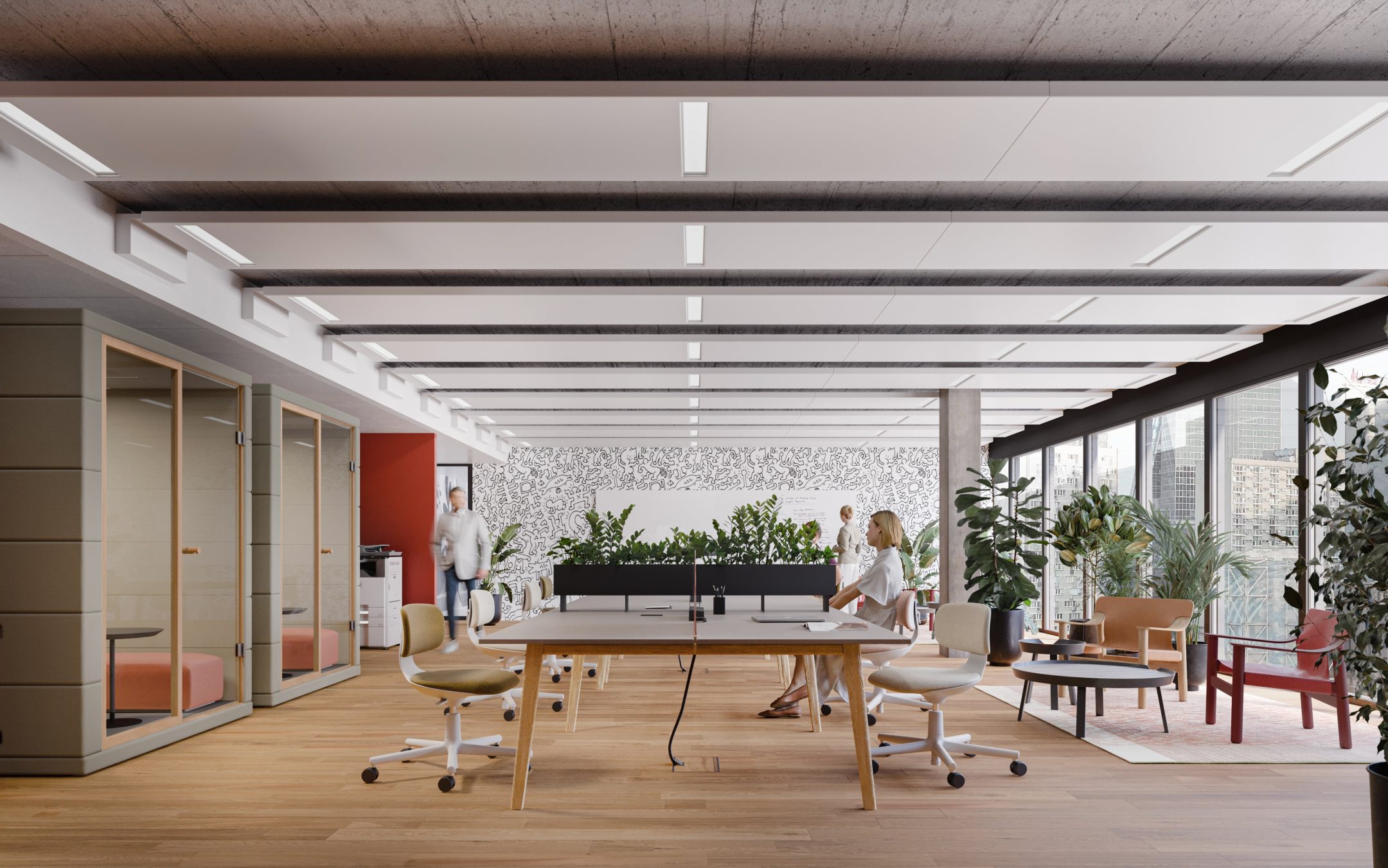
Working patterns across teams are important
The biggest shift in thinking about offices today is not about how many jobs are in open space. But about how people actually work.
The fundamental questions are different:
- How do people in the company actually work?
- How much time do they need to work concentrated at their own place?
- Conversely, how often do they phone, meet or collaborate?
- Do teams need to sit together? And how often?
- Who can share space within the team without disrupting work processes?
Only from this data does a realistic capacity model emerge that matches the actual need of the office – not the historical standard.
The 1:1 model has long been a simple and functional standard. But today it no longer corresponds to the reality of work. At the same time, the opposite extreme of “the fewer tables the better” is not true either. The office is not mathematics, but a system of human behaviour. So the key is whether office capacity matches real work patterns – not the historical model or current sharing trends.