Every office space communicates. It communicates who it has been designed for, whose needs have been taken into account and who will find it natural to work there. The values that a company declares on its website or in its corporate culture are tested the moment an employee enters the building and gets a first impression. The physical environment either confirms or quietly refutes them. Psychologist Amy Edmondson of Harvard Business School has defined psychological safety as an environment in which people do not feel threatened by talking, asking questions or being themselves. Google’s Project Aristotle then identified psychological safety as the single most powerful factor in team effectiveness, even stronger than team composition, processes or technology.

The numbers that speak for the decision
However, some employees do not take this security for granted. Research describes a phenomenon called minority stress: the chronic burden of knowing that one’s identity, whether gender, sexual, ethnic or health, can be a source of problems in the current environment. In a 2023 Deloitte study, 61% of minority respondents reported that they actively modify their behavior to avoid standing out. This burden translates directly into performance: lower concentration, higher fatigue, limited creativity. McKinsey’s Diversity Wins study documents that companies with above-average inclusion rates are 25% more likely to be profitable, while Deloitte reports a 2.3 times higher likelihood of innovation. But how do these numbers translate to a space where people spend eight hours a day?

The paradox of open space
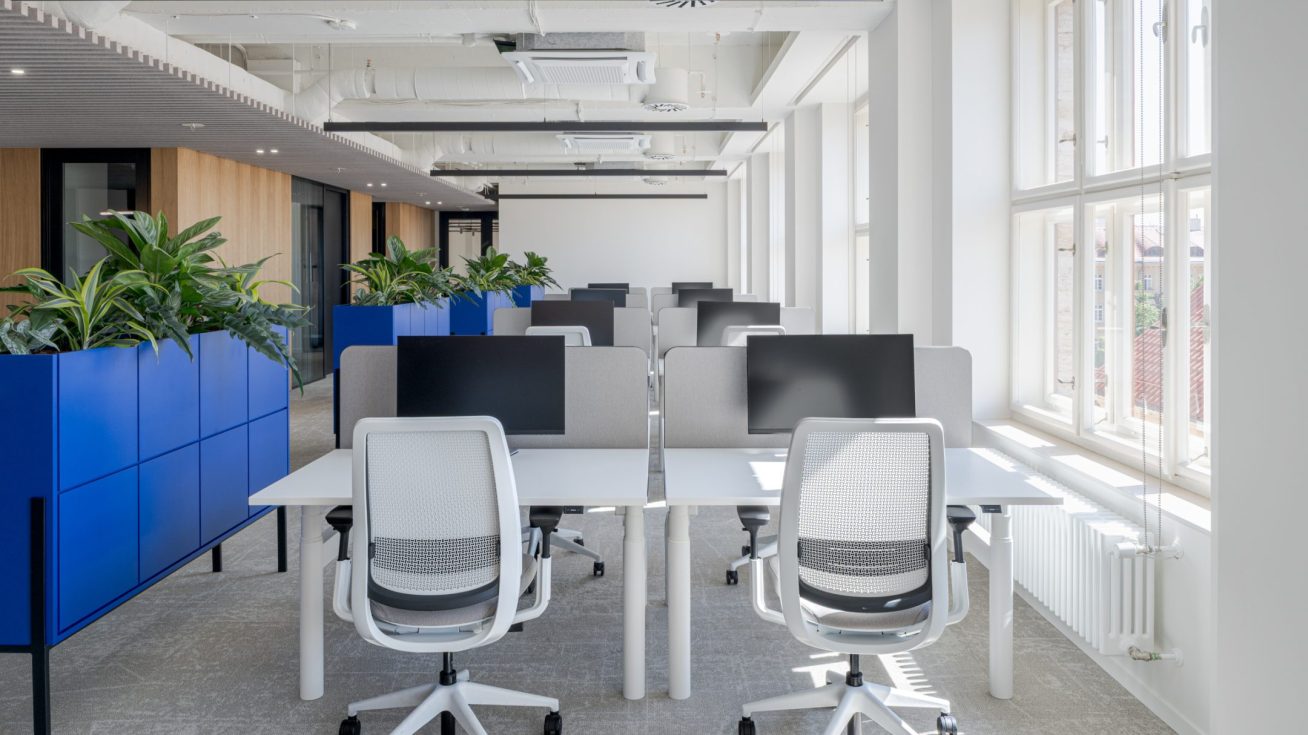
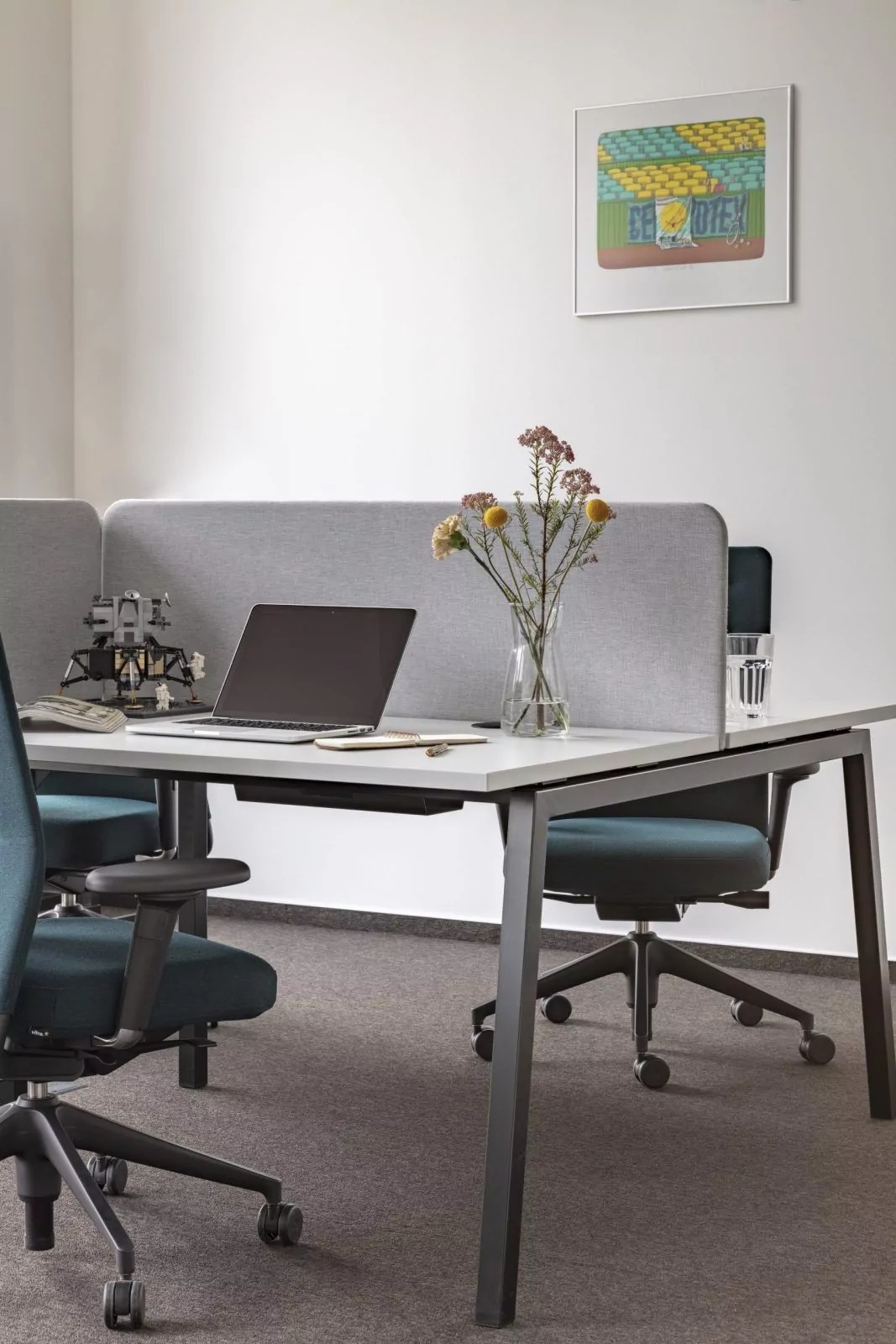
Open office plans were created with good intentions: transparency, accessibility, spontaneous collaboration. But for some employees, permanent visibility is a problem. Leesman Index research shows that employees in open layouts report lower satisfaction with focused work and with their overall perception of their own productivity.
But the answer is not a return to cellular offices. Open space is undergoing a natural evolution, from one homogeneous area to a spectrum of functional zones with varying degrees of visual and acoustic exposure. The paradox towards which modern design is moving is: to be seen in a space, but to be able not to be watched.
Sharing jobs
Hot-desking brought a new logic: space is allocated according to actual need, not by assignment. In practice, this means that employees choose where to sit every day, and this choice is not just logistical. It is also emotional. People choose according to their mood, their need to concentrate or collaborate, but also according to where they feel safe. Shared workspaces can therefore promote inclusivity if the range of places available is sufficiently diverse and the employee has real freedom of choice.
Diversity Privacy
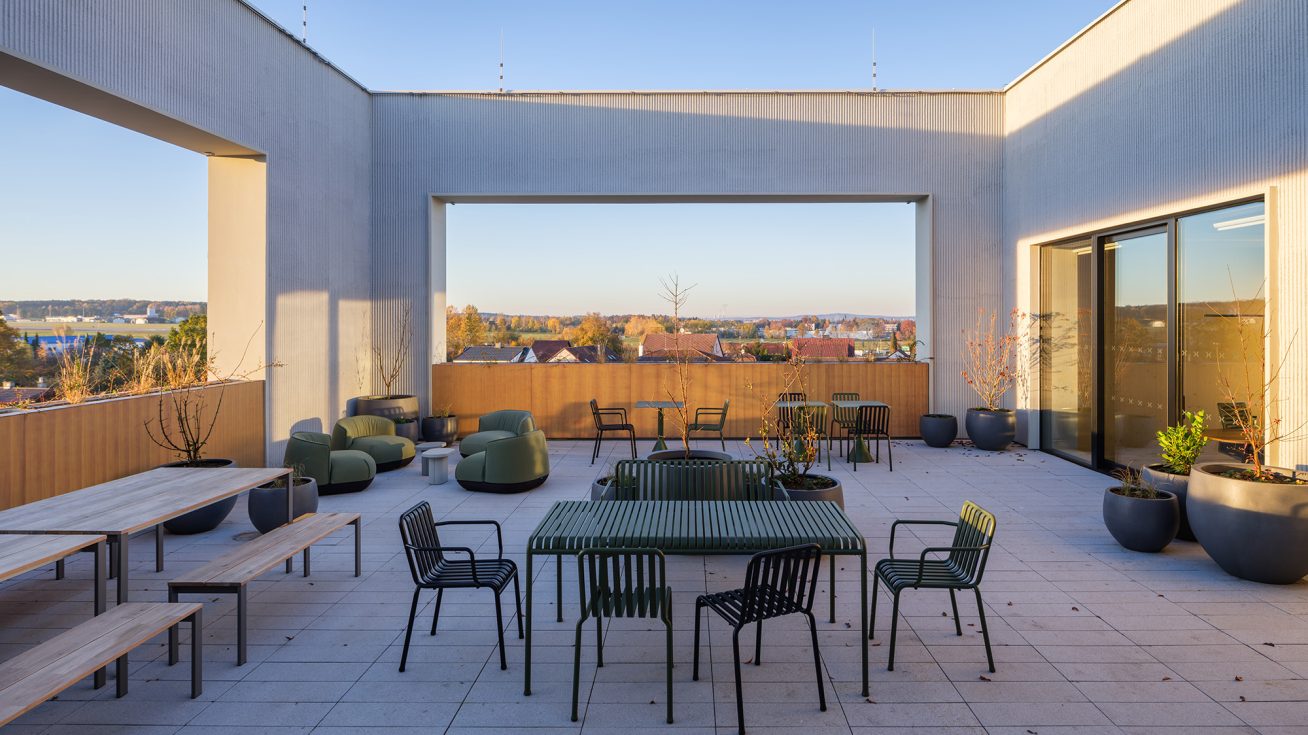
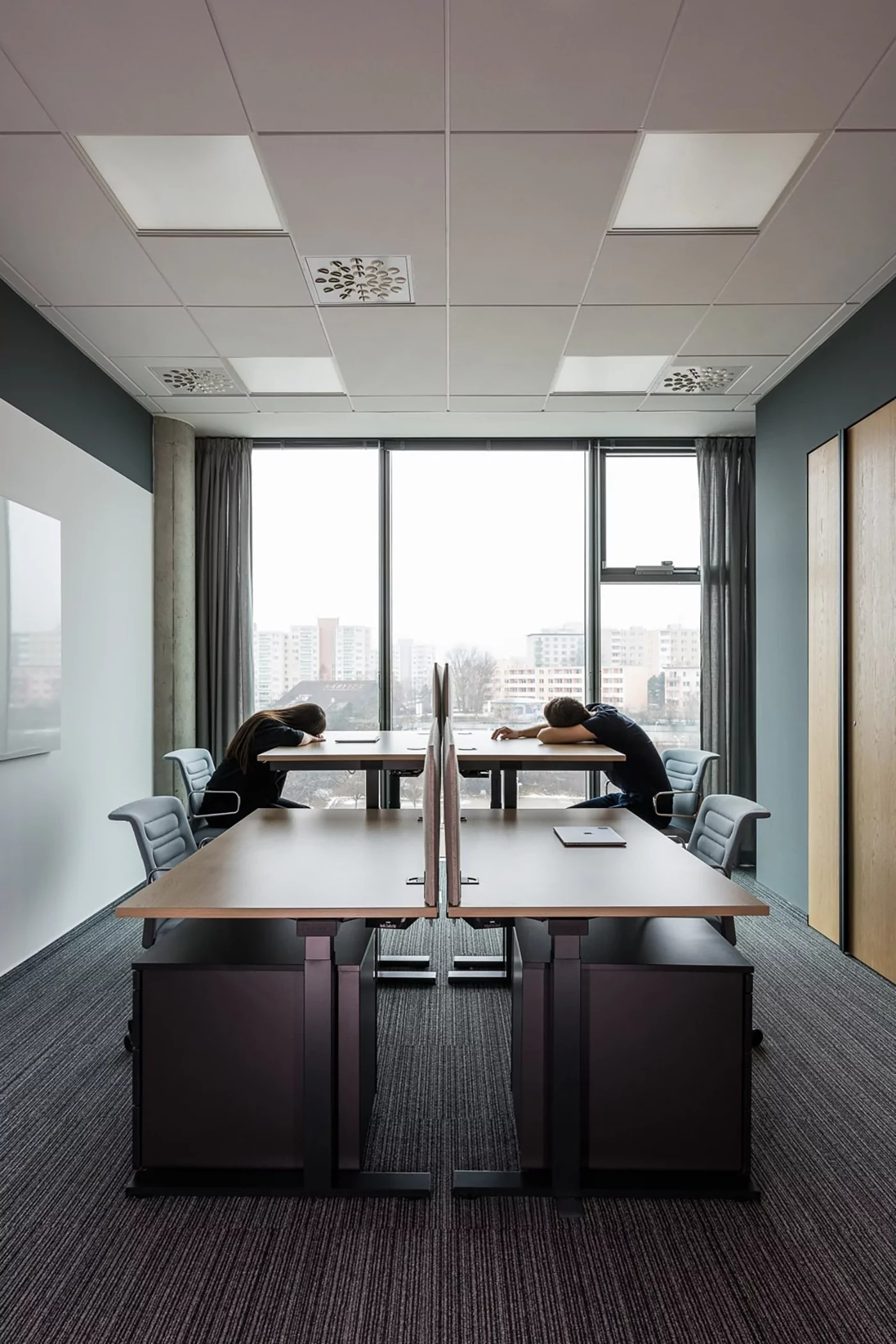
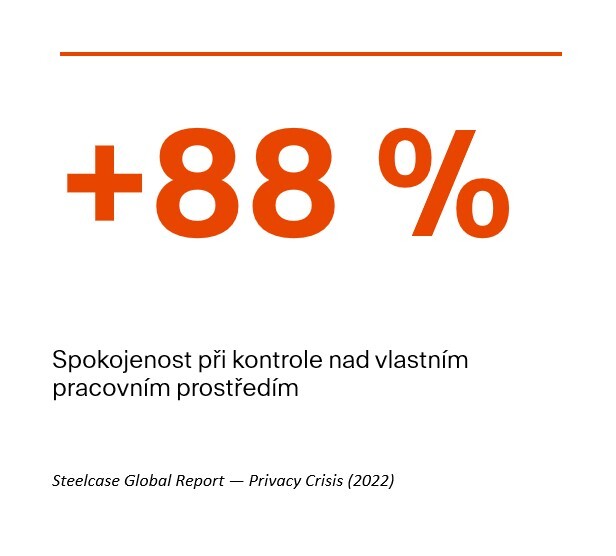
Control over your own space is one of the most effective tools for reducing minority stress. The ability to continuously choose the level of privacy is directly related to higher levels of concentration and productivity. The spectrum includes visual zoning in open space, quiet zones as spaces without interaction, reservable focus rooms for focused work and phone booths available spontaneously.
Companies that consciously design this spectrum don’t just give employees a more comfortable office. They give them a space where they can work to their full potential, where they can be themselves. An inclusive office is not an office for the minority, it is a space for everyone. And that’s a competitive advantage that shows up in the bottom line.