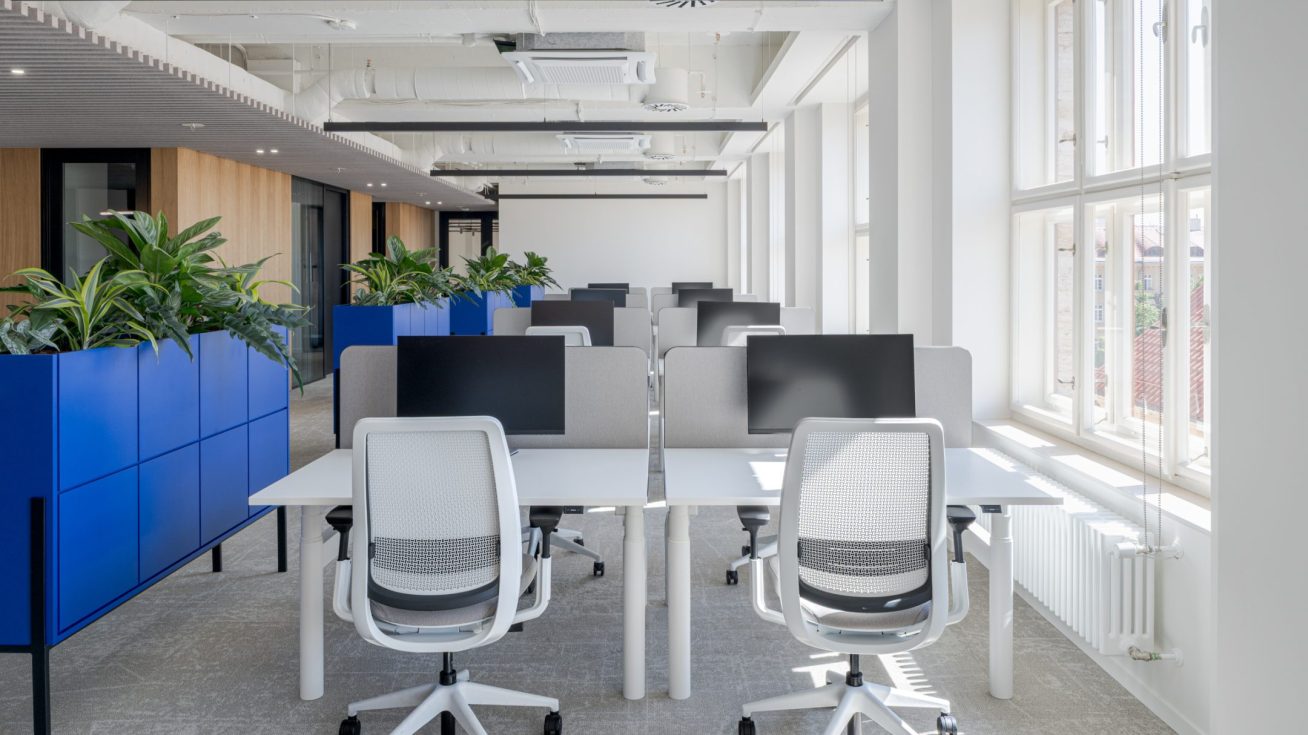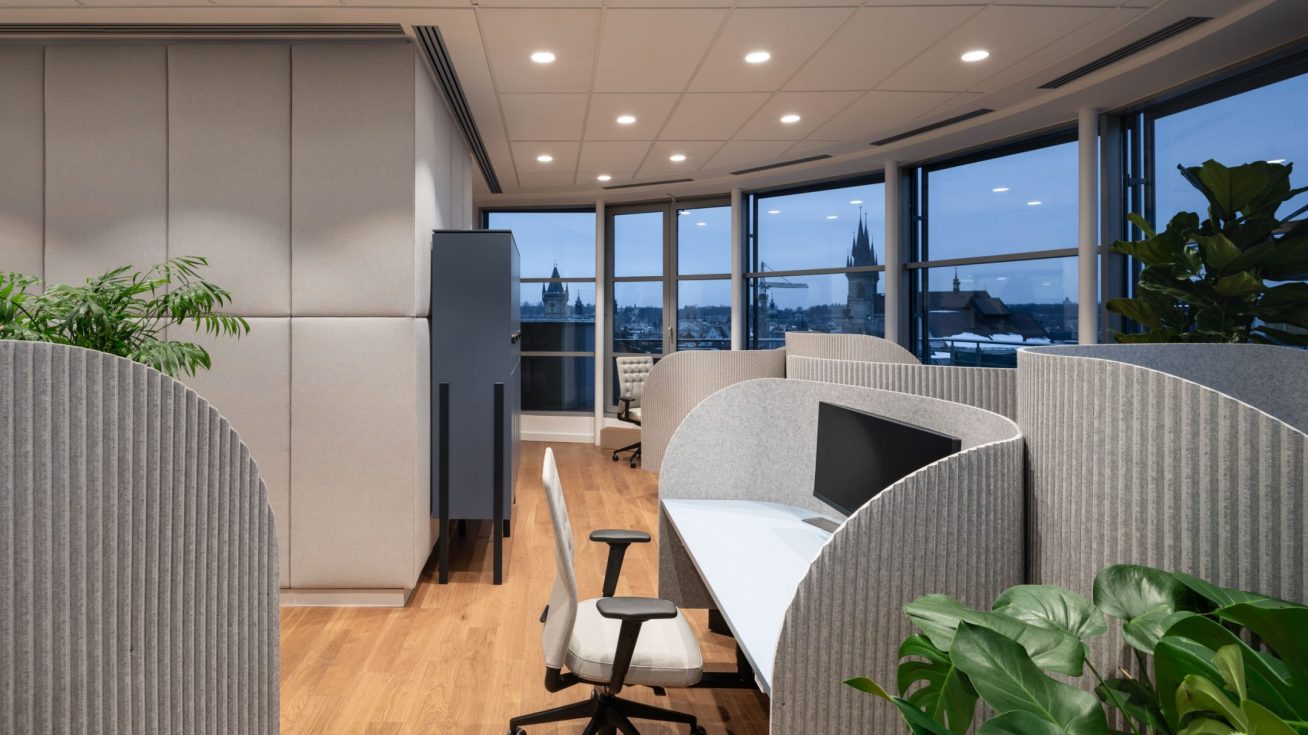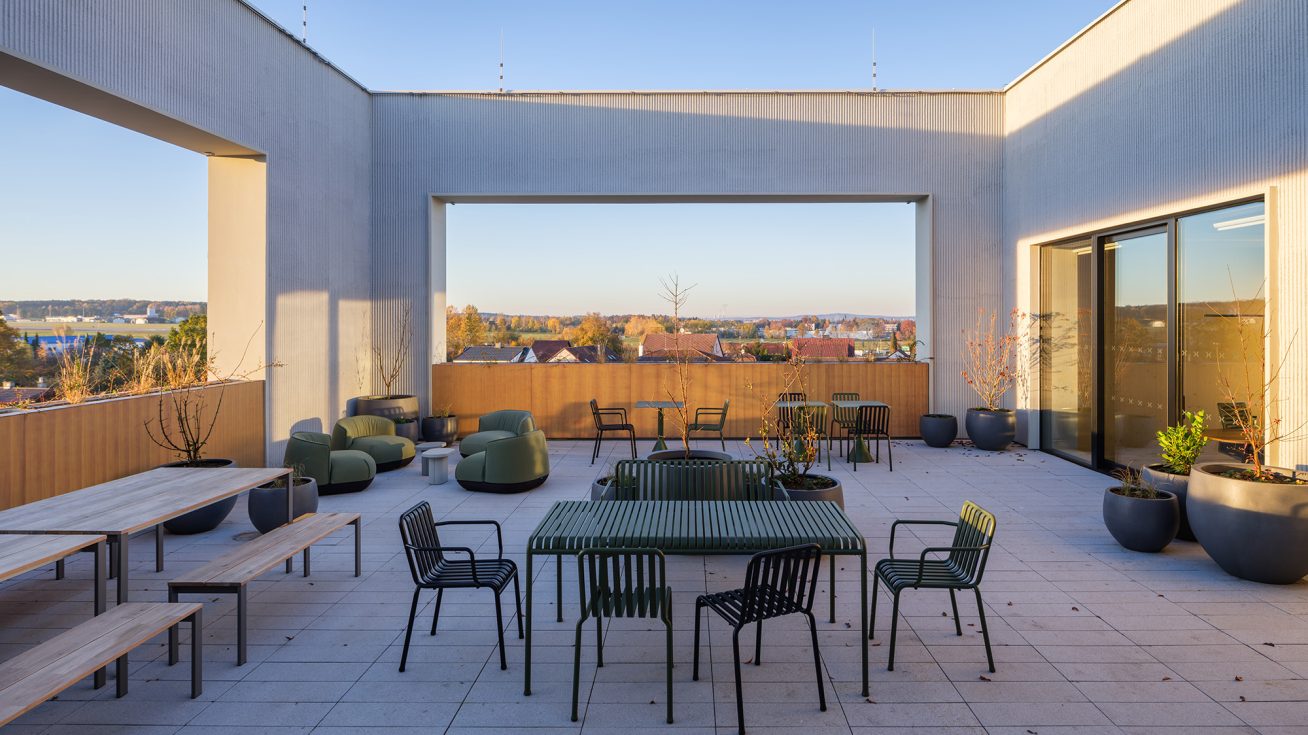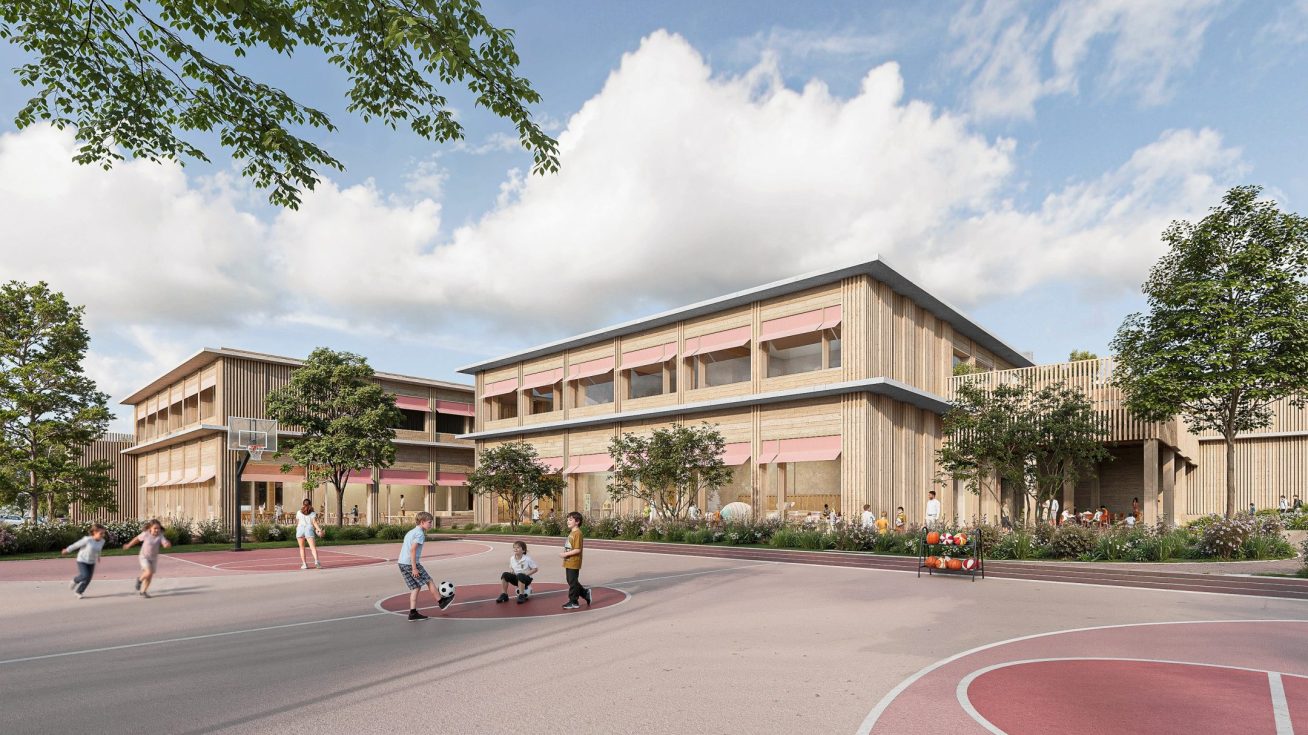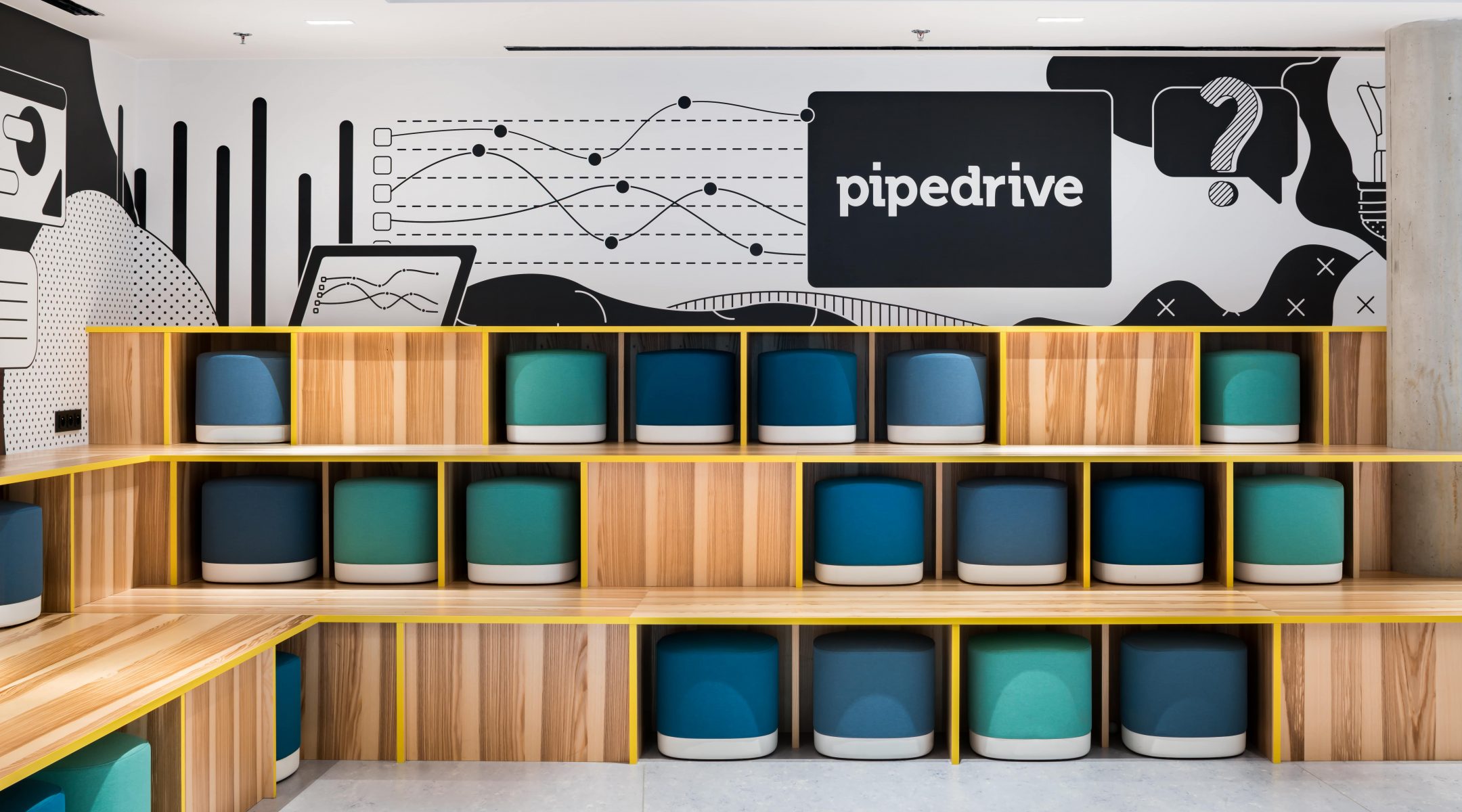
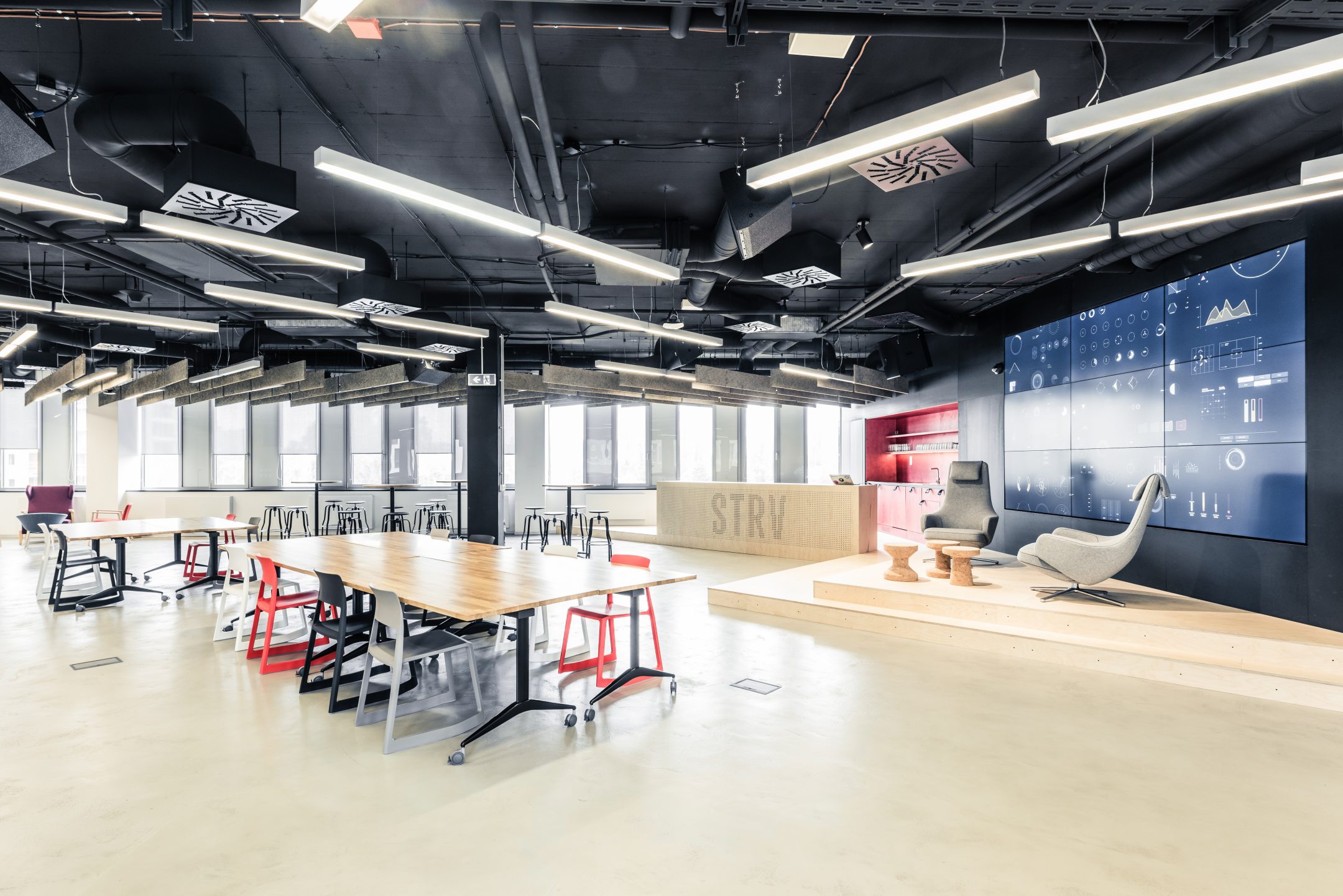
The office is often the first point of contact for candidates, new colleagues, or business partners with the company’s culture. And it is during those first few minutes that a very strong impression is formed, from which people intuitively deduce how the company operates and what daily work is like there.
Brand, Naturally in Space
Corporate identity often emerges naturally within a space. When we look at offices more closely, we begin to notice elements and patterns that often say more than pretty presentations or values listed on a website. Colors, logos, and, of course, the way people behave in a space—where interactions between people take place (if at all), where individual work is done, and so on.
The Risks of Generic Offices
This is precisely where one of the greatest risks of our time arises—one that I see quite often in practice—the so-called “generic offices.” At first glance, they look good. They’re modern and often feature well-executed design and ergonomics. But they lack soul.
These are often offices where we find ourselves thinking they could belong to any company. They don’t align with how the company actually thinks, nor do they reflect the ways people within it operate. As a result, they don’t create a corporate identity—that is, a brand—but rather a generic, anonymous environment that could belong to anyone. Such a space doesn’t build the brand; rather, it dilutes it.
When Space Embodies a Company’s Brand
The best offices reflect what a company is really like. This means they align with how people actually work at the company, not how they “should” work. They support people’s actual behavior, not ideal scenarios, and embody the culture that people naturally live out within the company. From a workplace strategy perspective, this is essential—the space acts as a mirror.

Is the Office the Most Powerful Branding Tool?
From this perspective, the office is one of the most powerful branding tools there is, often more powerful than external communications. The reason is simple—it’s authentic. People trust it more than words and respond to it immediately because they experience it firsthand. It influences candidates’ decisions, shapes new hires’ expectations, and plays a crucial role in employee retention, because the environment where people spend most of their day also shapes their relationship with the company.
Want help with office design or consultation? Contact us