What does low-tech mean?
Low-tech architecture builds on:
- passive principles – natural ventilation, daylight, shading, heat gains,
- local materialsthat are readily available and easy to process,
- easy to manage and maintain – so that the operation of the building does not burden the budgets of municipalities, schools or companies,
- durability and long service life.
It is therefore a return to principles that have worked for centuries – but transposed to the current context, where it is increasingly becoming clear that high technological complexity is not necessarily the solution.
Our testimonial: BudexHUB
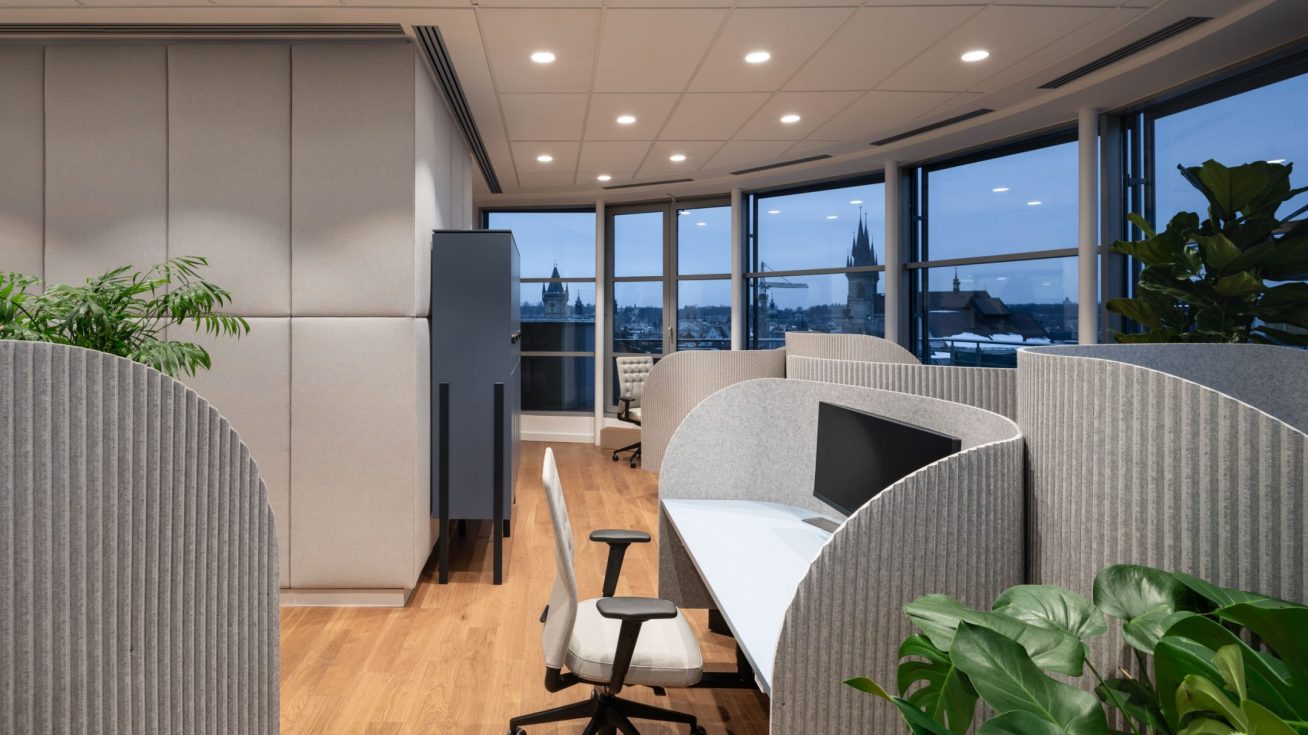
A typical example is a wooden office building BudexHUBwhere we made a conscious decision not to install sprinklers. Not because we wanted to cut back on security, but because we were looking the simplest possible operating solution.
Removing sprinklers, which can lead to more fire-rated structures on some projects, is still cheaper than including them in the project. By removing some technologies, we are trying to go against most of the budget both in the actual building operation and in the implementation phase.
If no one takes care of complex technologies for five years, they work – but after ten years, without regular servicing, they can become a huge problem. The investment in repairs and maintenance is then often prohibitive for investors.

Low-tech for schools and municipalities
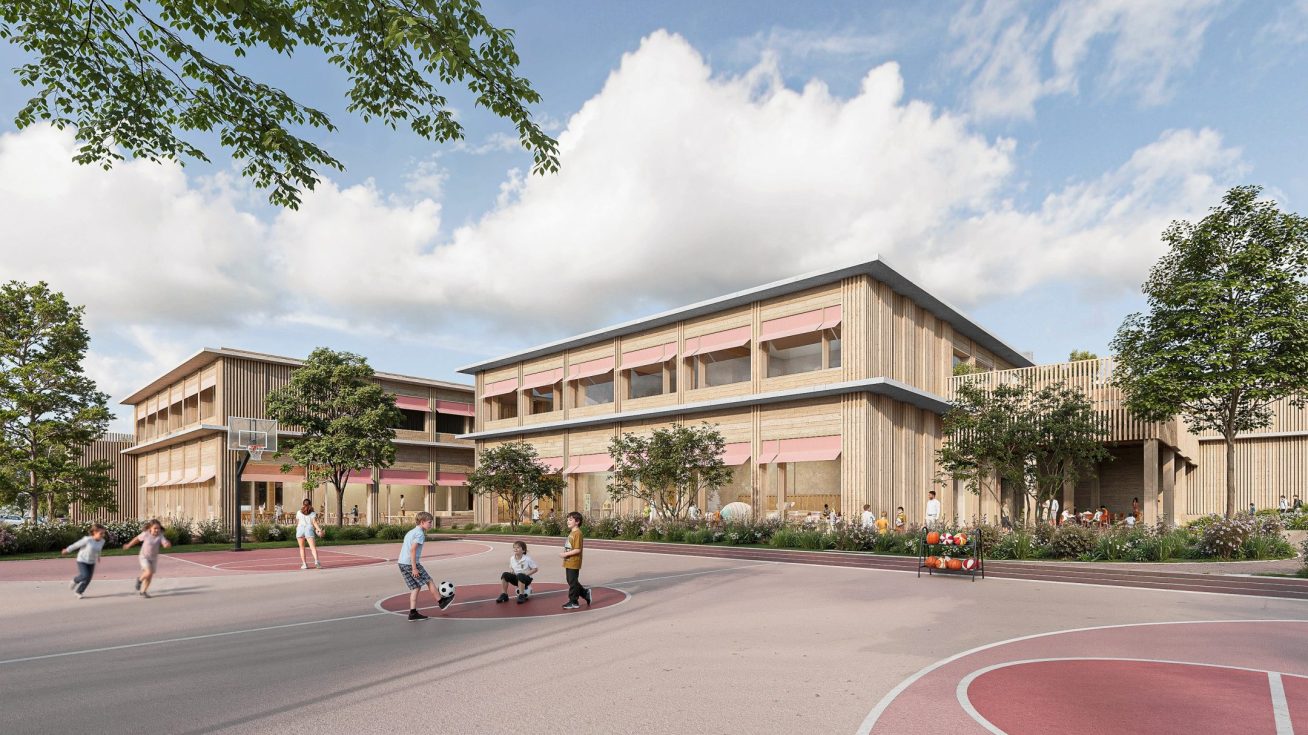
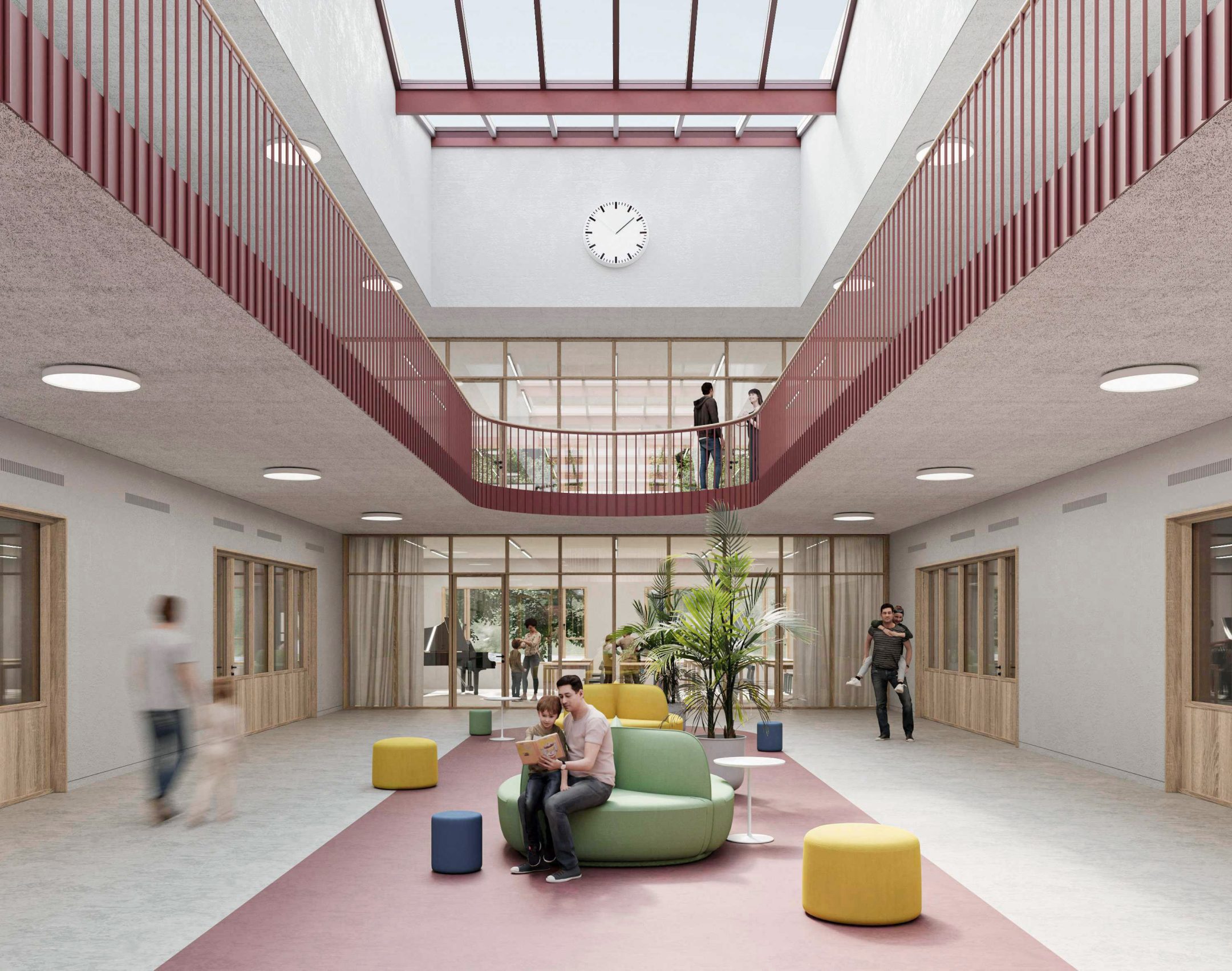
We see the same experience with school buildings. Municipalities that operate schools usually do not have the resources for specialized facility management firms. Sophisticated HVAC systems and other technologies are then left without regular servicing – and become a liability instead of an asset.
That’s why we think it’s preferable to go down the path simplicity:
- design the building to ventilate naturally and operate without complex technology,
- minimize the number of devices that require regular servicing,
- Build with materials that age with dignity and are easy to maintain.
Most schools manage their technical maintenance through one person, the janitor, who typically does not have the space or training to manage sophisticated technology solutions. Remote management, measurement and control options often simplify this activity, but in the case of repairs, setup changes or service interventions, it is still a job for specialist companies. By appropriate design and application of architectural principles that eliminate the need for high-end technology, even these operations can become low-tech.
Managing a well-designed school can thus be as easy as managing an ordinary apartment building, even today, when the demands on the indoor environment of educational facilities are increasing. A typical example that might illustrate this point is the heating, cooling and general ventilation already mentioned. By eliminating solar gain during normal school operating hours, by appropriate choice of window openings and their opening parts, or by thoughtful positioning in relation to cardinal points, a reduction in management requirements and therefore in the overall cost of operating these buildings can be achieved.

Low-tech as a path to sustainability
Low-tech is not a step backwards. On the contrary – it is a conscious choice. Architecture that is based on simplicity, resilience and clever use of principles can be far more sustainable than complex systems that require ongoing maintenance and funding.
So the goal is to have a “smart” building design that is implemented side by side with skilled designers of PBŘ, RTCH, PV, and others who understand their profession and are willing to think about the concept of building operation in a broader context. For example, the proper configuration of fire compartments, numbers of escape routes, and overall building operation design can eliminate the need for sprinkler installation relatively easily – and not just in wood-frame buildings, however, where we see their elimination as a major advantage (false alarms are a bit more painful in this design system). Proper design of the building architecture and its process equipment, in turn, leads to a more environmentally friendly and economical operation.
At Perspektiv, we believe that this is the way that makes sense not only for private investors, but also for the public sector, which must think in the long term.