Czech Republic at the bottom of the world rankings
According to data from 2022, the Czech Republic is at the top of the list in terms of the speed of issuing building permits 159. place in the world. The permitting process is divided into a number of sub-steps – from transport infrastructure to water management to planning decisions. In addition, each of these steps opens the door to objections and appeals that can delay a project for years.
In practice, it is not uncommon for development projects to wait six, eight or even ten years for a building permit.
Such a long wait is naturally reflected in the price of apartments. Developers have to finance the purchase of land and project preparation all the time, which significantly increases the total cost before the actual implementation.
Slovakia and the Czech Republic have a similar problem
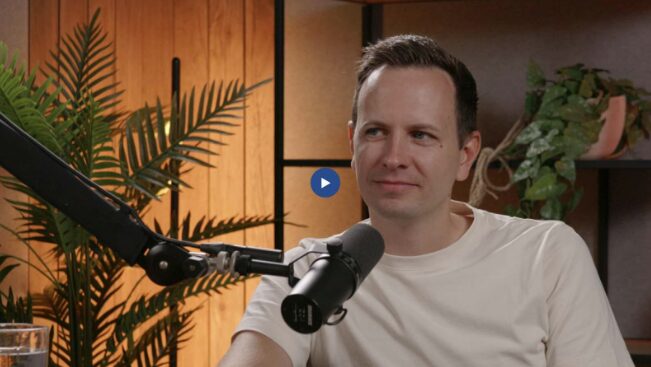
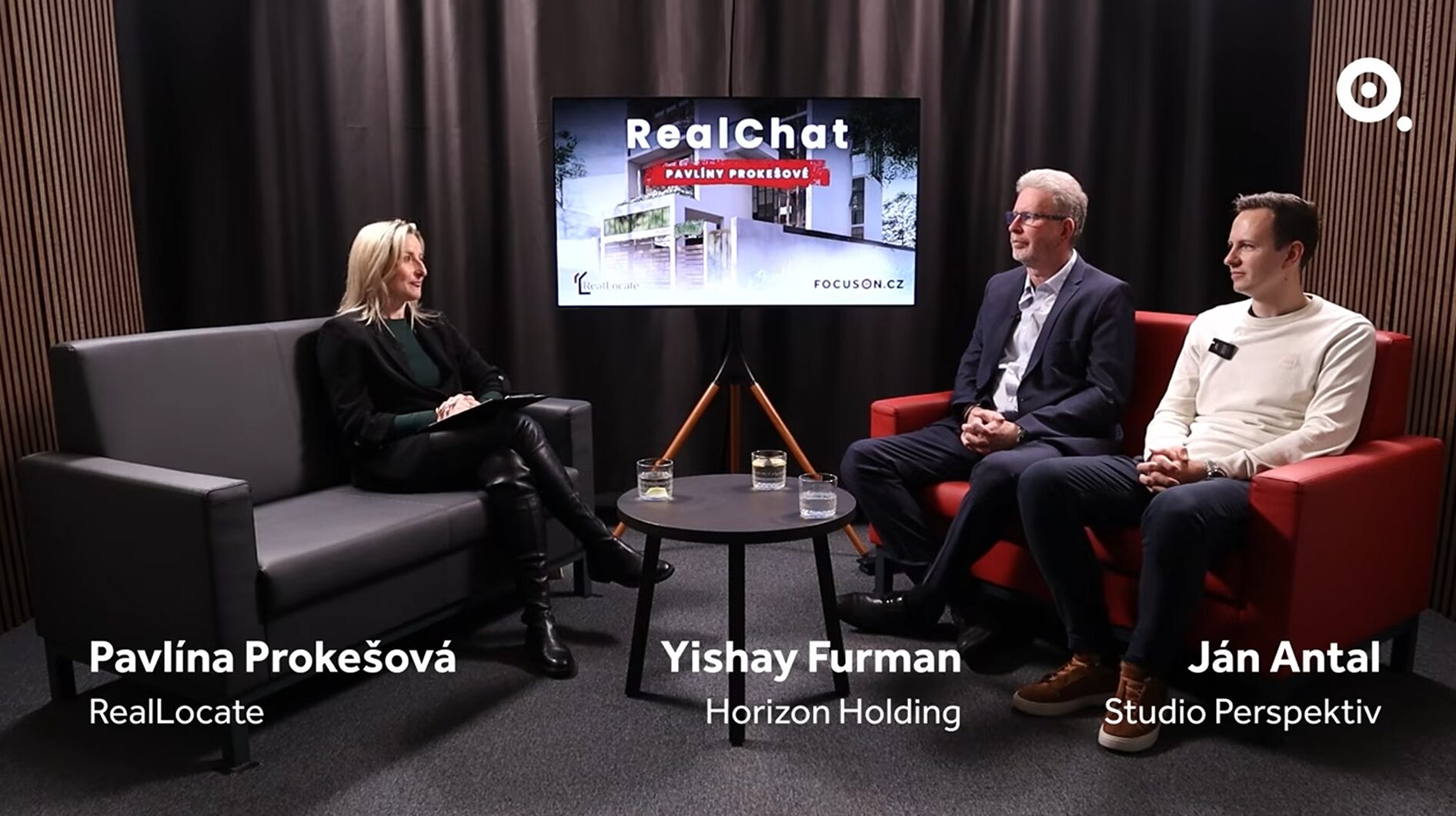
Ján Antal reminded the podcast that a similar situation prevails in Slovakia.
“The legislation in Slovakia and the Czech Republic is very similar in principle. Slovakia has recently adopted a new construction law, but in many respects it still faces the same problems as the Czech Republic,” he said.
According to Antal, however, architecture can find opportunities even within these limitations.
“If you have absolute freedom, it is paradoxically much harder for an architect to make a decision. Limits force us to look for the best possible solution.”
Smaller apartments as the new standard
Rising housing prices are also leading to changes in the size of apartments. Whereas previously studio flats were typically around 30 m², today they are often between 24 and 28 m². For 2-bedroom flats, the decline is even more pronounced – from around 60 m² in the past to 45 to 48 m² today.
This creates new demands on architectural design. Smaller dwellings must be designed to offer quality and functional living even with limited space. Shared spaces and community elements are therefore playing an increasingly important role, expanding the possibilities for the use of the house.
Construction is moving beyond the city limits
As prices in the centre of Prague are unaffordable for many families, developers are increasingly focusing on outlying locations and satellite villages. Projects outside the capital can offer apartments around 20-25% cheaper than in central Prague.
However, these projects must also address infrastructure – from schools to public spaces to technical facilities.
The future of housing
The discussion in the podcast also opened up broader questions about the future of residential development: what impact the new Prague metropolitan plan will have, how apartment sizes will evolve, and whether co-living will become a common form of housing for younger generations.
The whole interview offers an interesting insight into how the current legislative environment shapes the form of Czech cities and what role architects and developers play in this process.
🎧 You can listen to the whole RealChat podcast in video or audio version: