How did you get into design work in the first place, and what has kept you in this career for the last almost 20 years? What do you think have been the most important moments?
Even as a child I loved building with Legos, and when I was fifteen and deciding what I wanted to do with my life, building was a natural choice. The beginning was not easy, practically straight out of school I went straight into a process where interaction on the construction site was required. I have to say that few people take a fresh graduate seriously and earning respect from a generation older and an order of magnitude more experienced counterpart is sometimes really hard. I did not give up, I watched and learned with humility. Today I enjoy correcting and managing the whole design preparation, checking the documentation, communicating with the client and the building, dealing with conceptual issues and details and I think that today I am already at the stage where I can pass on the know-how to my younger colleagues. I am also involved in setting up functional processes, templates and model documents that not only younger colleagues can effectively draw on.
Designers are known for being able to work most of their careers in one firm – why did you decide to change today and why Perspektiv? What appealed to you about the role?
In my opinion, everyone reaches a point in their professional career when they feel a strong need for some kind of shift, growth. Personal and professional. And if at this time he gets an offer that sufficiently appeals to him, then his hand is in his sleeve. I am well aware that the shift to the position of Head of Engineering in perspective brings with it new challenges that have little to do with construction as such. One has to add more management, economics, psychology, HR, etc. I definitely feel an advantage in that I am not a manager by training, but a designer who has been through construction. So I have a clear understanding of my people, the demands of their tasks and the general pressure of deadlines.
And why Perspectives? I like the energy of smart and progressive people who have drive and a startup mindset and want to work together on projects that are meaningful and have a big impact on society.
What is your vision for the Perspektiv design department and what do you want to achieve with the team?
There are several objectives, of course, but the main ones are two. The first is to firmly stabilize the design team. I am primarily targeting colleagues who will not only have technical and practical knowledge of the field, but will have drive, be communicative, non-conflicted and at the same time not be afraid to go on site. The second goal is a good transfer of know-how to all departments that prepare previous stages of project documentation. This also ensures that we follow up on functional designs. This saves energy and time for everyone involved. In the end, this is appreciated by a satisfied client who receives the documents without unnecessary errors, defects and on time.
What project that you have led are you most proud of, and why? Do you see anything in it that resonates with what we do at Perspective?
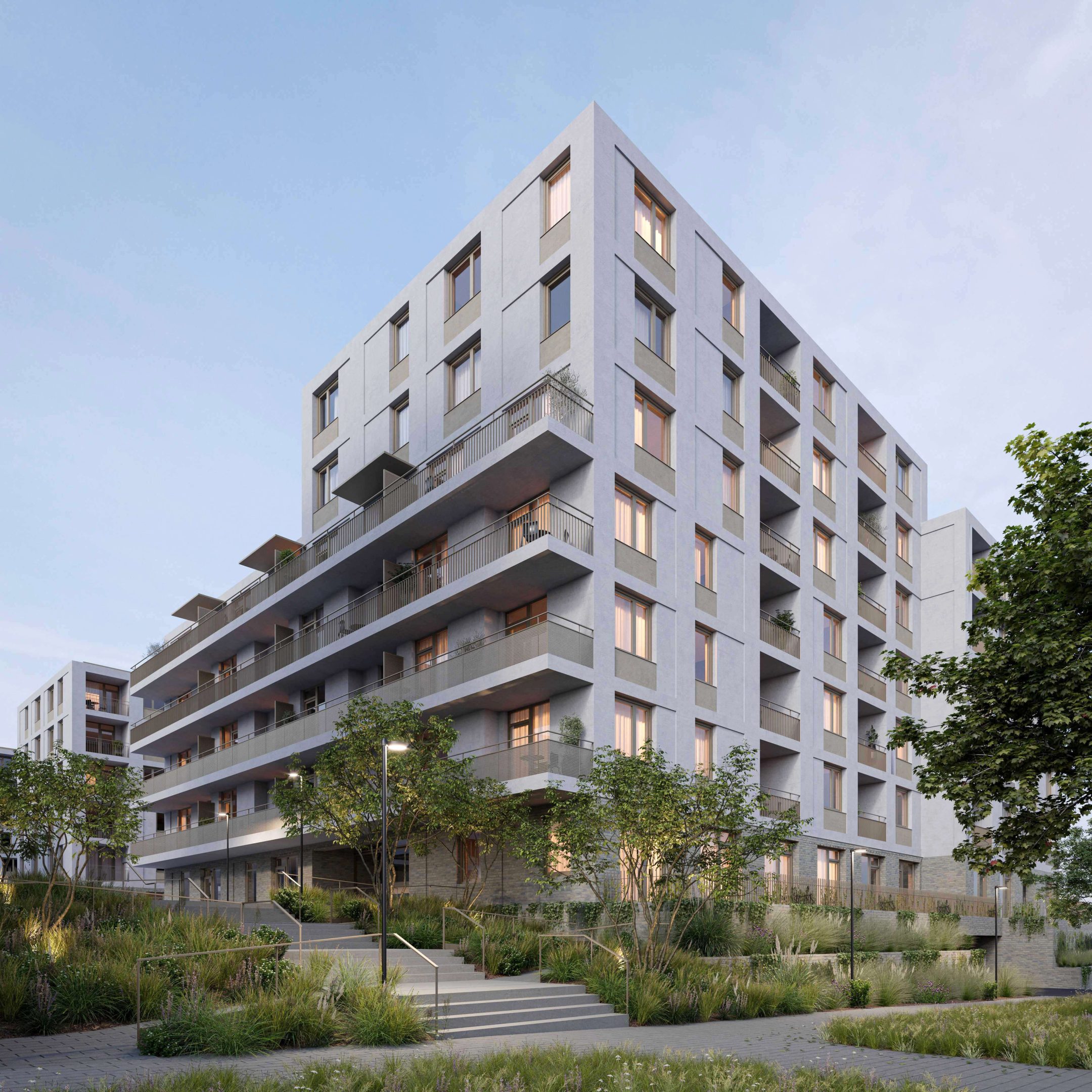
Certainly all the projects I have historically worked on for SKANSKA – whether it be Emil Kolben’s Quarter, Michel Bakeries or the Modřanský Cukrovar, which is being built today. I dare to say that SKANSKA is at the top of the Czech property development market, not only in terms of the number of projects, but also with regard to the quality of project assignments, a clear idea of the outcome and sophisticated internal control mechanisms. I also appreciate the approach to heat recovery, solar energy management, rainwater and wastewater management, etc. Thanks to this cooperation, I have been in contact with respected capacities in the field and have personally learned a lot.

How do you support your team and what do you think is the key to designers being able to reach their full potential?
Creating project documentation is a long haul and too much turnover, especially of senior staff, is always a serious problem. Although it is primarily a technical style of work, I am aware that in my position it is necessary to involve the social side and communicate everything transparently. When people feel that they have representation and that their work is meaningful, they are happy to stay with the company.
For me, the key is to approach everyone individually – ask people what they enjoy, what they are concerned about, try to allay their fears and meet their needs if it is realistic within the running of the team. And, of course, being able to praise them for a good performance. Furthermore, to perceive the different values of each team member and address any reasons for dissatisfaction immediately. We can only succeed on the basis of mutual trust, good communication and no bullshit policy. But at the same time, it is important to remember that each of us is unconditionally responsible for the work we do and should keep what we promise.

What do you think are the biggest challenges facing designers today and how should a team like the one at Perspektiv respond to them?
There are too many challenges. If I had to single out just two, the first is the way of designing, which has changed extremely in the last 20 years, given the possibilities in the field of IT and technology. Nowadays, you need to know the basic programs that you work in perfectly – in our case it’s Revit and AutoCAD, and there are dozens of other tools that help with just one sub-area. Sometimes a designer can feel more like a programmer.
And what is the second major challenge?
The second challenge is to move with the times and navigate the vast array of technological options, the pressure for environmental functionality, minimizing carbon footprint, and the acquisition and management of energy that “our” planet provides. On the other hand, I am an advocate of common sense and I know that it is not always possible to accommodate everything and everyone. I am glad that our Perspectives Research department is trying to raise awareness, for example, with wood buildings.
You are currently looking for junior and senior designers and HIPs to join your team. What interesting projects are you working on now and why might they be attractive to potential new colleagues?
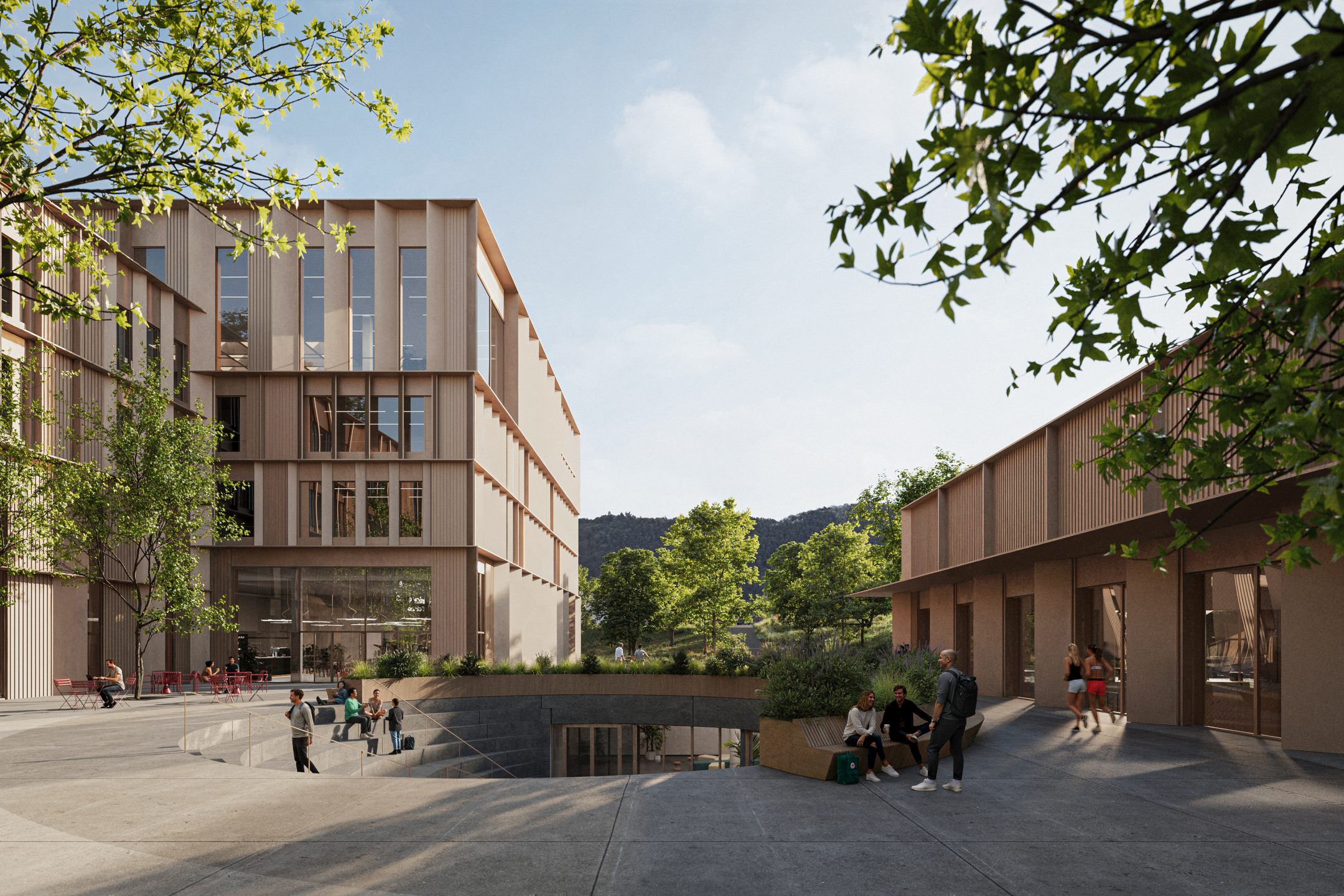
Definitely a beautiful development project of a university campus in Olomouc or a premium university campus in Bratislava. Both projects are currently in the process of approval and permitting.
What would you say to experienced designers looking for a new challenge? Why should they join Studio Perspektiv?
Don’t be afraid of challenges. Projection is a very conservative field and we as builders are mentally tough due to our daily interaction on construction sites where kid gloves are just not an option. So a lot of quality designers, out of a certain inertia, will last 10, 15 years or more in a position. There’s a certain comfort in that too, where they don’t want to admit that it could be better somewhere. At the same time, projects last for years and you build a relationship with each one over time. It’s hard to break off the work and leave the project. I’m happy to be actively recruiting for the team and I’m always happy to talk to interesting people in the industry at interviews and maybe even convince them of our vision.
So how is the recruitment of new designers going?
We devote quite a lot of energy to selecting colleagues who will fit into our team. I sit in every interview myself, along with my HR colleagues, and ask about things that interest me. If we find a mutual match, then there is a second round where the candidate comes in for a half-day trial. First there is interaction with colleagues and they answer anything that interests him without any cover. He is then given a task from us appropriate to the position he is applying for, and at the end he is invited to lunch where we evaluate the task. We are straightforward and don’t play games. I know from my own experience that honest selection is not to be underestimated and I am glad that I have come to an environment where recruitment works well. People enjoy it here and are willing to work hard.