7 ways people work together in person
Based on data from the Gensler Global Workplace Survey 2025 (17,000 workers in 15 countries responded), seven types of workplace collaboration were identified: from informal conversations between two people to team meetings and workshops. Notably, Gensler says that planned team meetings were the most valued activity. Daily conversations with colleagues – including informal ones – are also considered important.
At the same time, 68% of respondents said that working from the office positively affects their relationship with the company and its mission.


There is no one ideal place – but many suitable ones depending on the situation
The research found that:
- Flexible co-creation spaces ranked in the top three options for six of the seven interaction types;
- Rooms with comfortable seating were in the top three for five of the seven situations;
- Traditional meeting rooms are still important, but they are not universal – in three out of seven cases they did not even rank in the top three places people would choose for a particular type of meeting.
Trends by sector and country
- Flexible spaces are by far the most popular – especially in sectors such as media, financial services or consulting.
- The public sector and NGOs still prefer a more traditional environment.
- In the UK, comfortable and informal environments lead the way.
- Japan is the only country where the boardroom is still the top choice for any meeting.
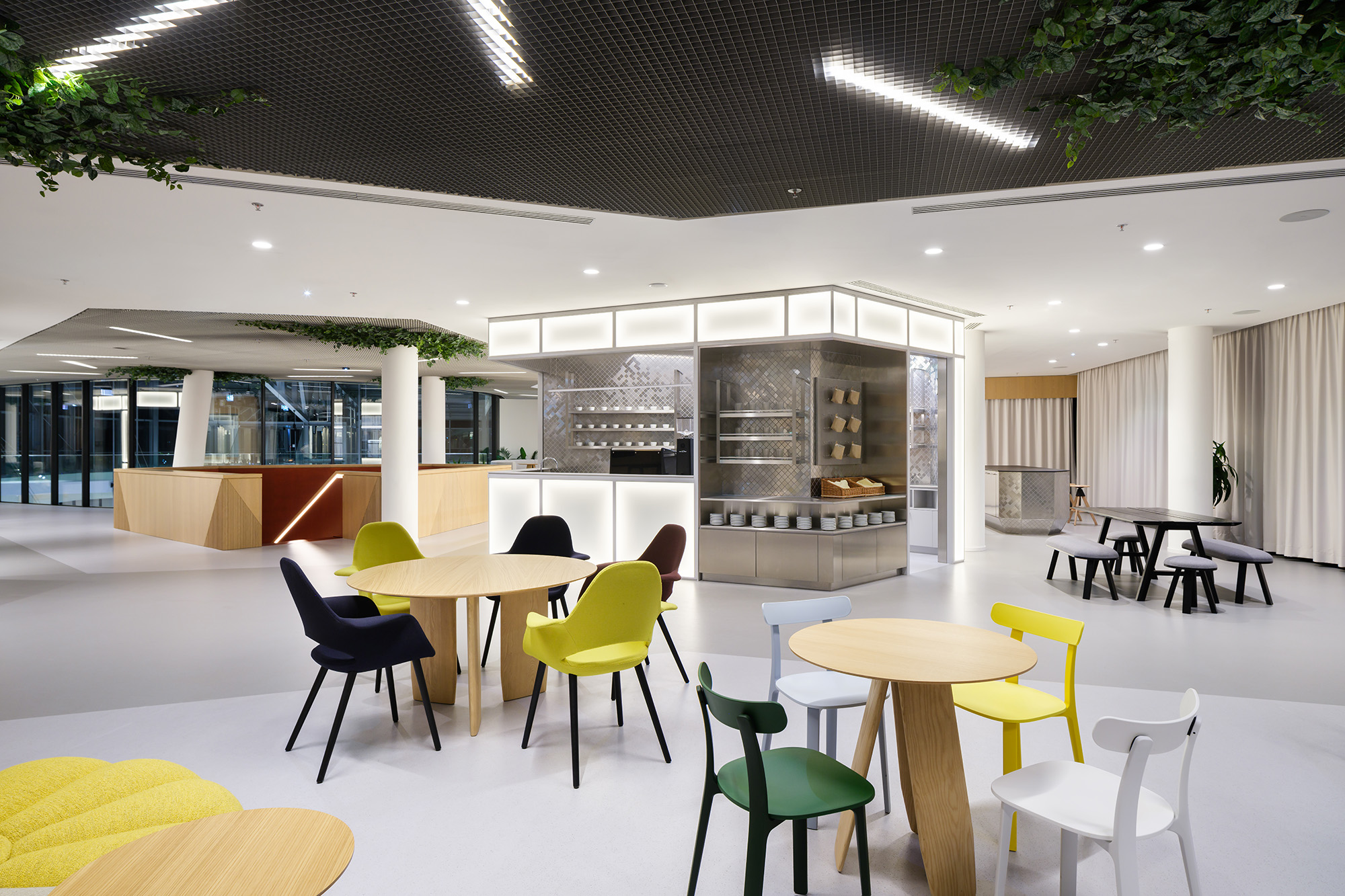
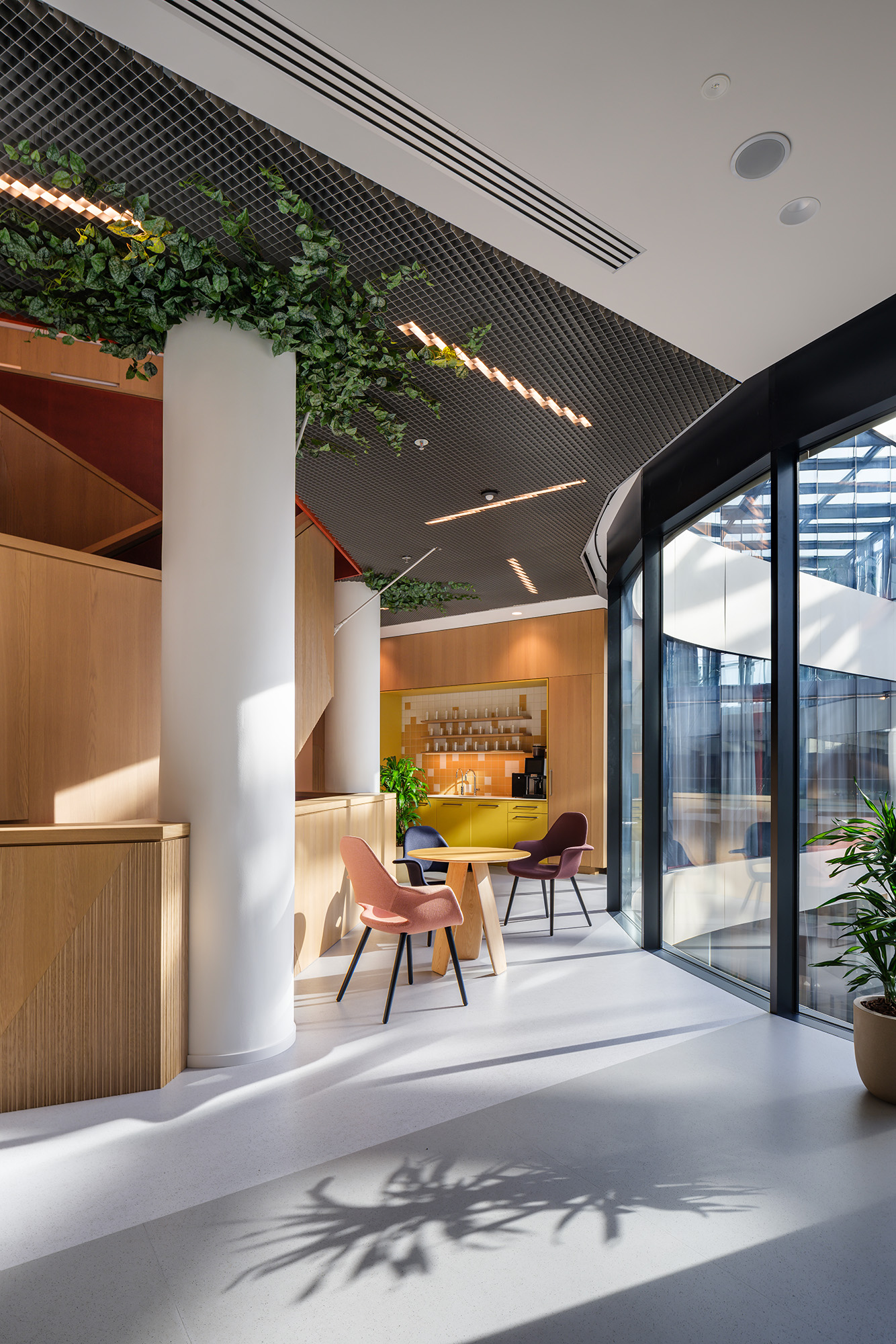
Summary: Offices should be flexible and offer a variety of spaces for the most productive work
The future of work is not about one room, but rather a range of spaces that support how people work together – based on activity, number of people and level of formality.
Meeting rooms still have their place, but they are no longer the starting point. It’s time to make room for more flexibility, comfort and purposeful design. But let’s not forget cultural differences! What is true in Europe and the US may not be true in Asia, for example.
Contact us