Before the pandemic
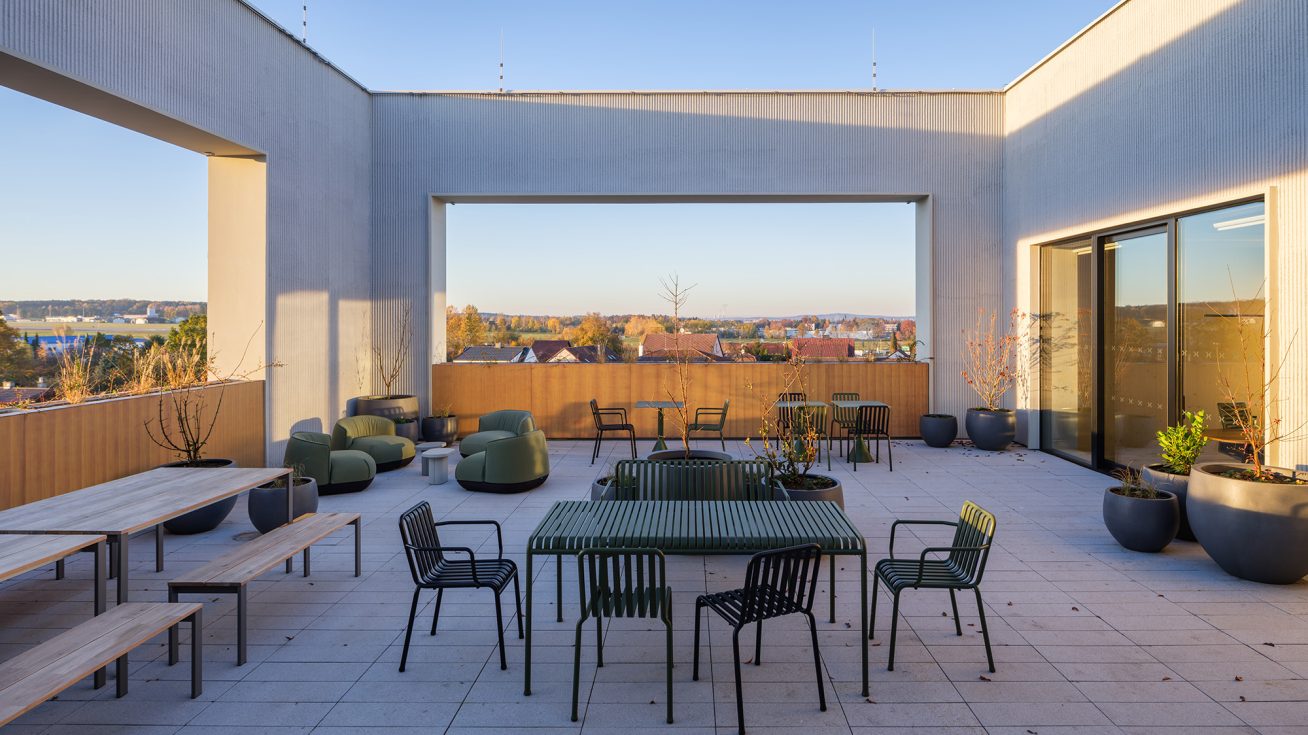
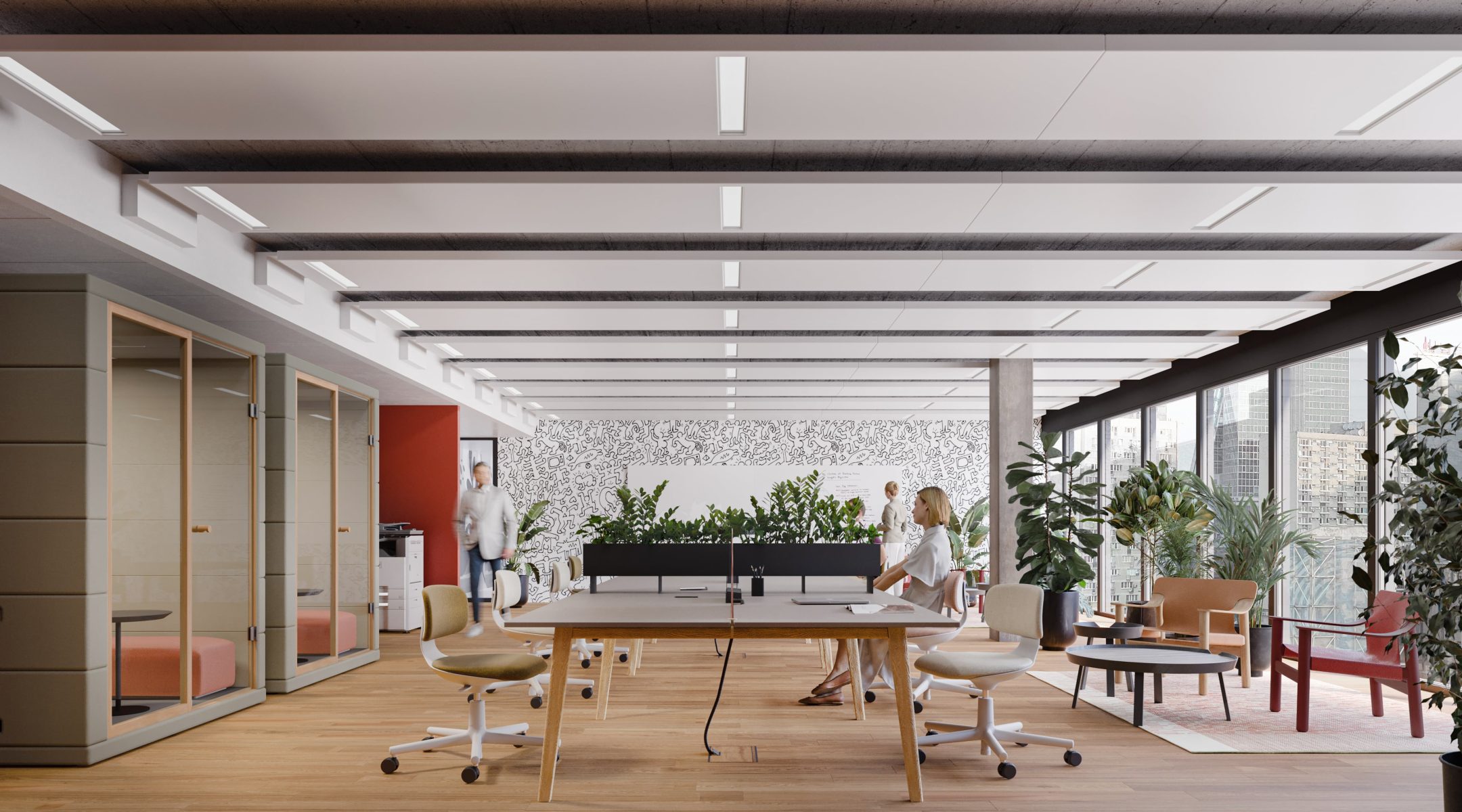
In the 1990s and early 2000s, office space was optimized for efficiency and cost, often resulting in minimal space per employee, especially in call centers and administrative departments. In contrast, companies focused on creative and technology work, such as design studios and IT companies, started a trend a decade ago to increase space per employee, to the extreme of 20 m² or more in today’s terms. This approach reflected the need to stimulate creativity, innovation and teamwork through an inspiring, comfortable and spacious working environment. In this spirit, collaboration spaces, kitchenettes and breakout areas were increasingly enlarged.
Impact of the pandemic and future trends
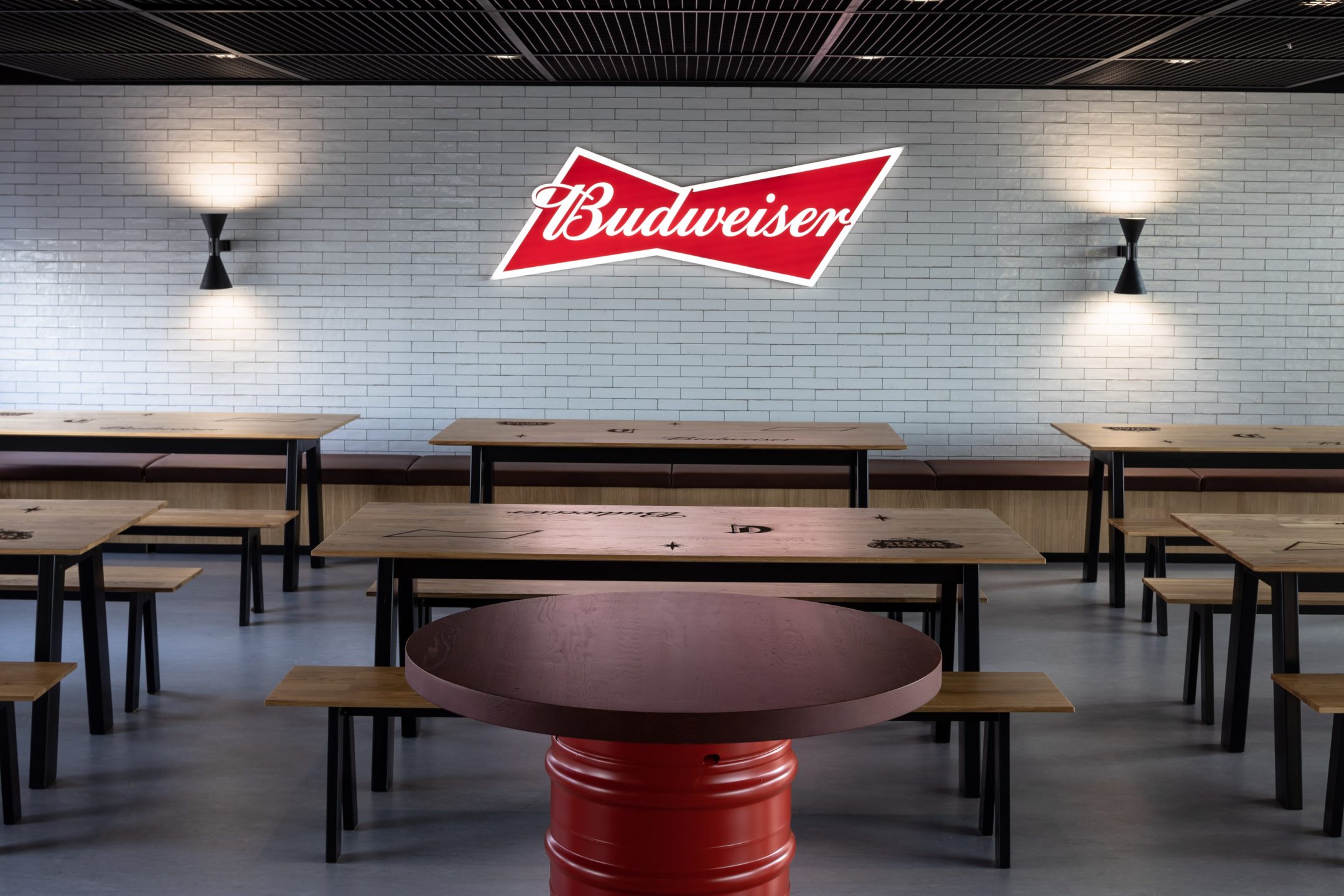
The pandemic has brought dramatic changes in the way companies approach the workspace. Due to the increased use of hybrid working, domestic companies have started to reduce office space by around 20% across the board. As a result, tens of thousands of metres of office space have become available for sublease due to the pandemic. Currently, the average space per employee is around 14-16 m² , with companies looking for a balance between efficiency and convenience for employees.
“Hybrid working models and flexible office spaces have become the norm, and companies are now investing in technology, employee health, sustainability and design that allow spaces to adapt to current needs,” says Michaela Novotná, who is in charge of workplace consulting at Perspectives.
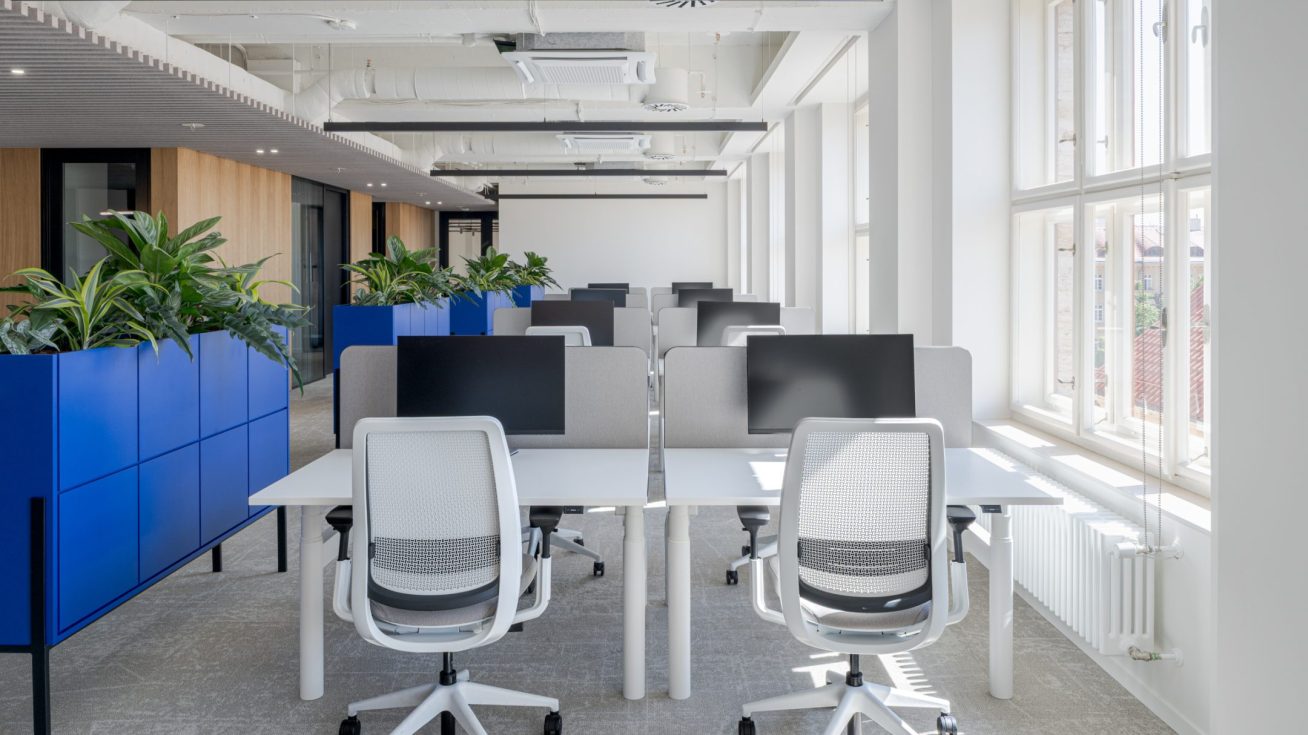
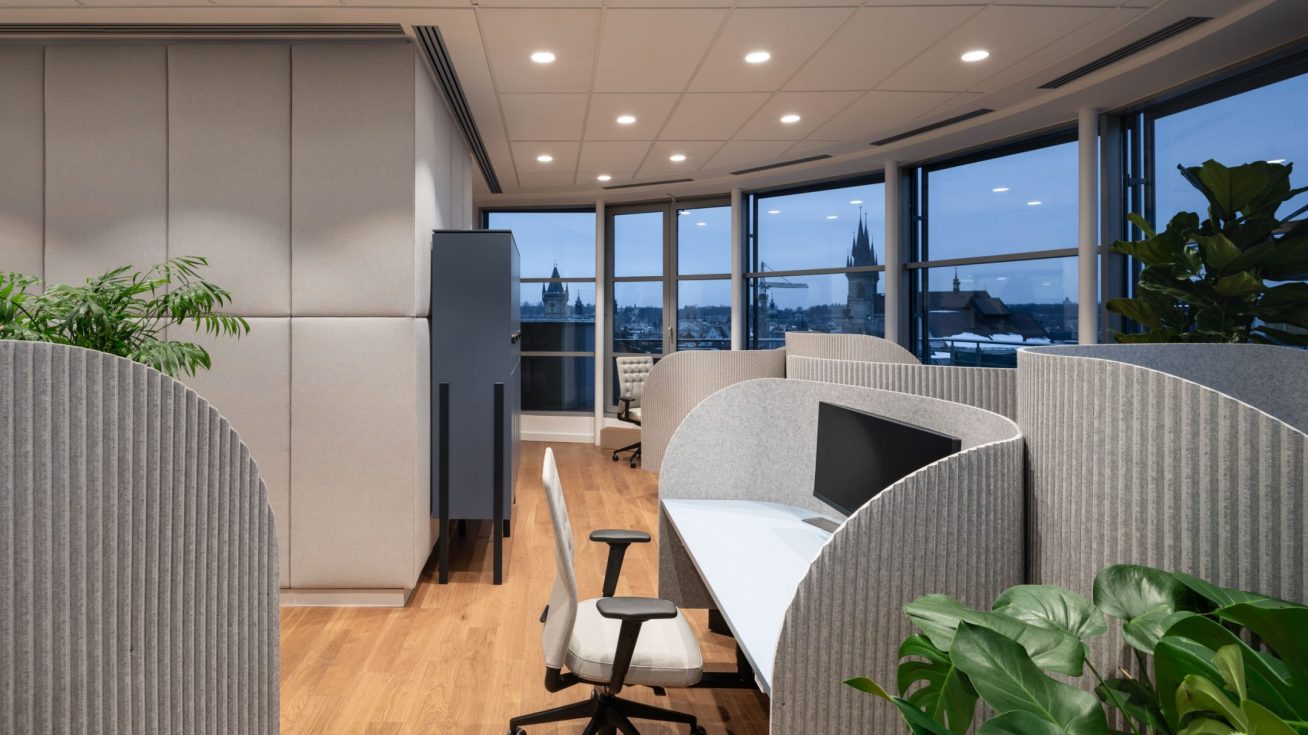
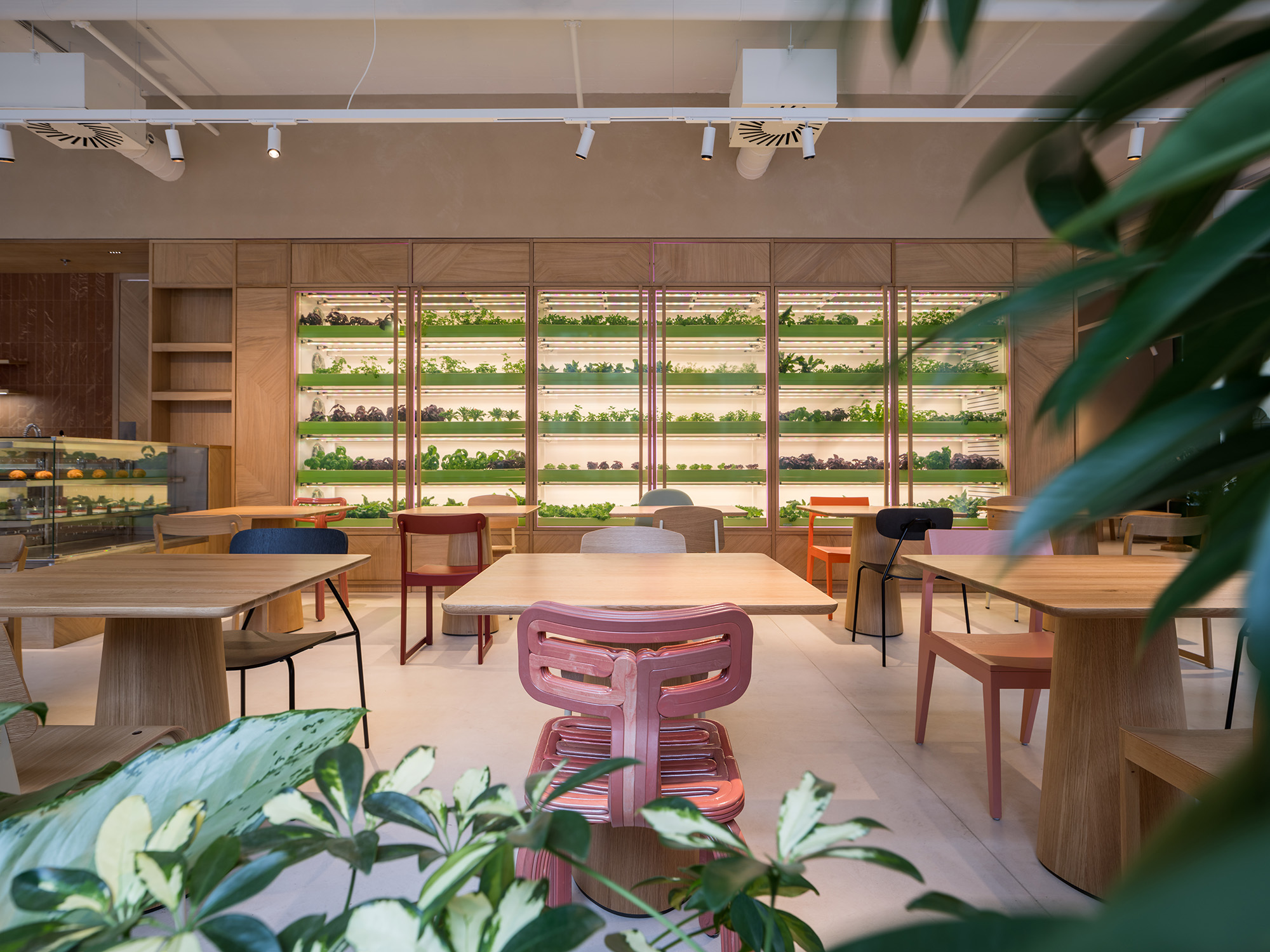
In the area of sustainability, care is taken not only to the construction itself and minimise the environmental impact in terms of the energy consumption of the building operation, but also to improve the working environment from the employees’ point of view – improving air quality, temperature control and biophilic design, which brings more greenery into the offices. This has a positive effect on mental well-being and work performance.
“Smart offices are also playing an increasingly important role, as IoT sensors help to optimise the use of space, reduce energy consumption and generally improve working spaces. Employees often don’t even have to regulate the temperature in meeting rooms, the smart building takes care of everything.” adds Novotná.