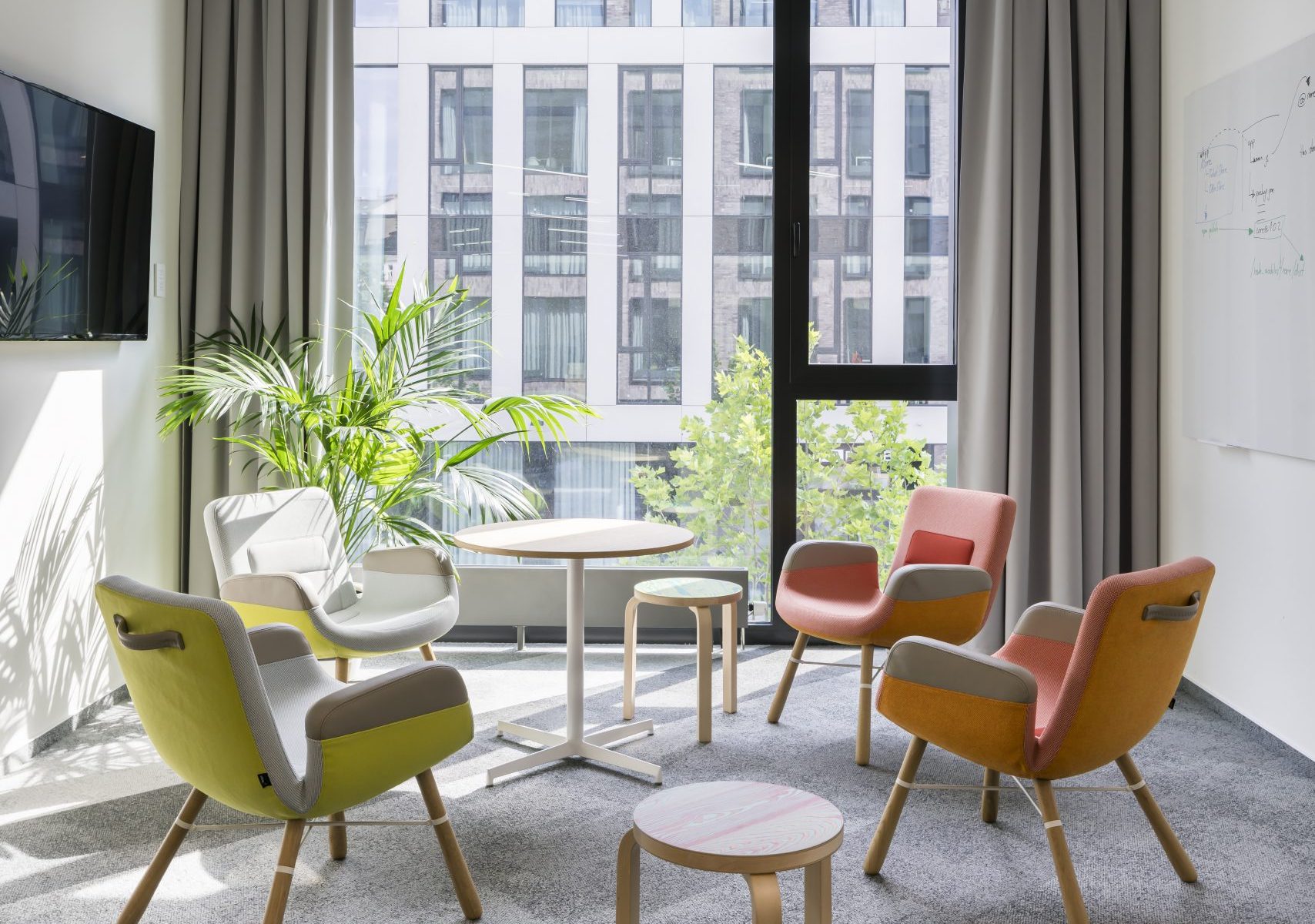
After more than three quarters of a year of dealing with a dynamic way of working, we can rely on researchthat describe an emerging trend in the office environment. Working from home and office has its advantages and disadvantages. Since the one-sided model of working has proven to be less than ideal, what does the optimal situation look like? The answer is a hybrid way of working. What does this mean for the future of offices and us as architects who design them? Offices are definitely not going to disappear, but they will transform. 71% of respondents to the survey prefer to work in an open environment, i.e. in the office.
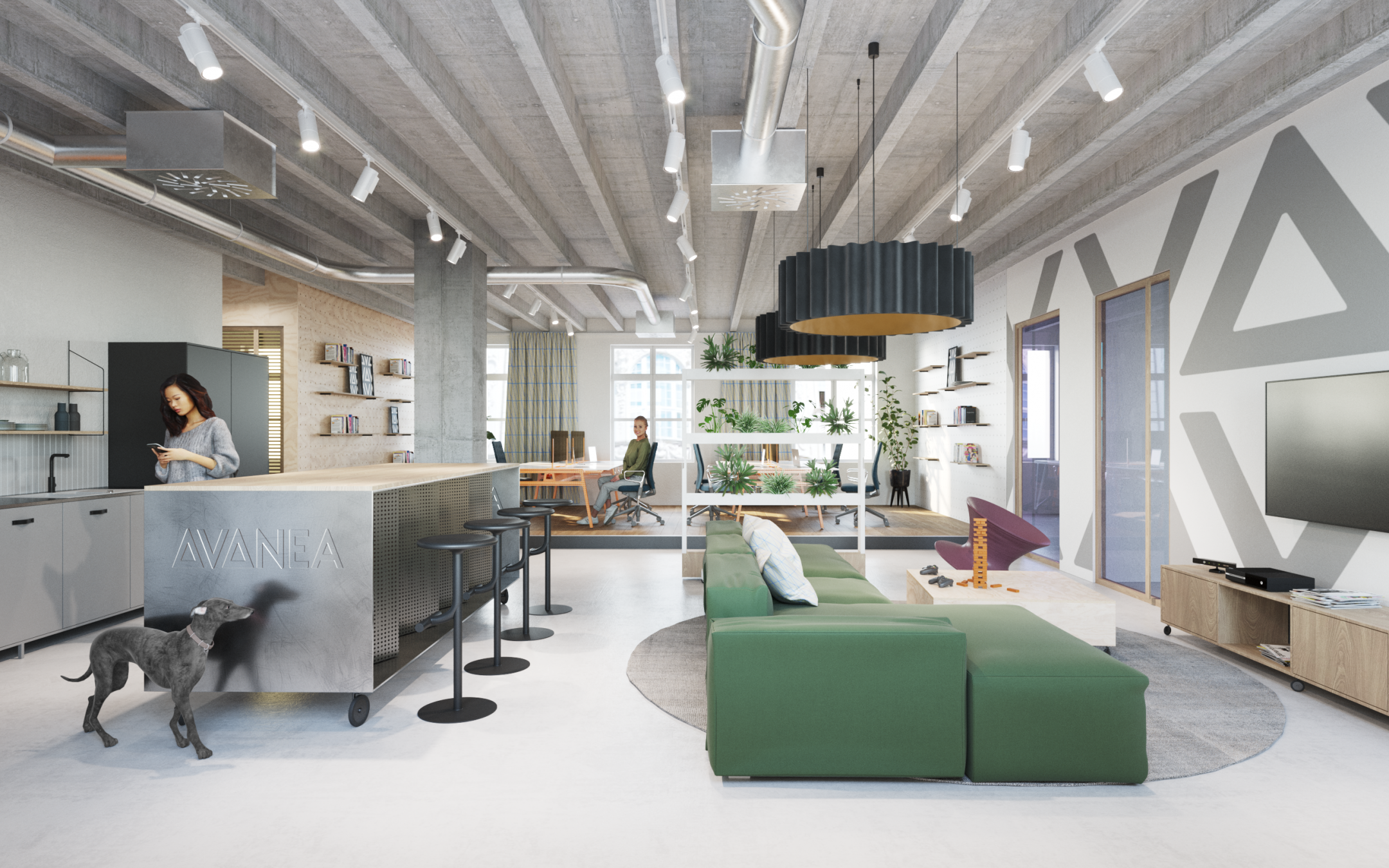
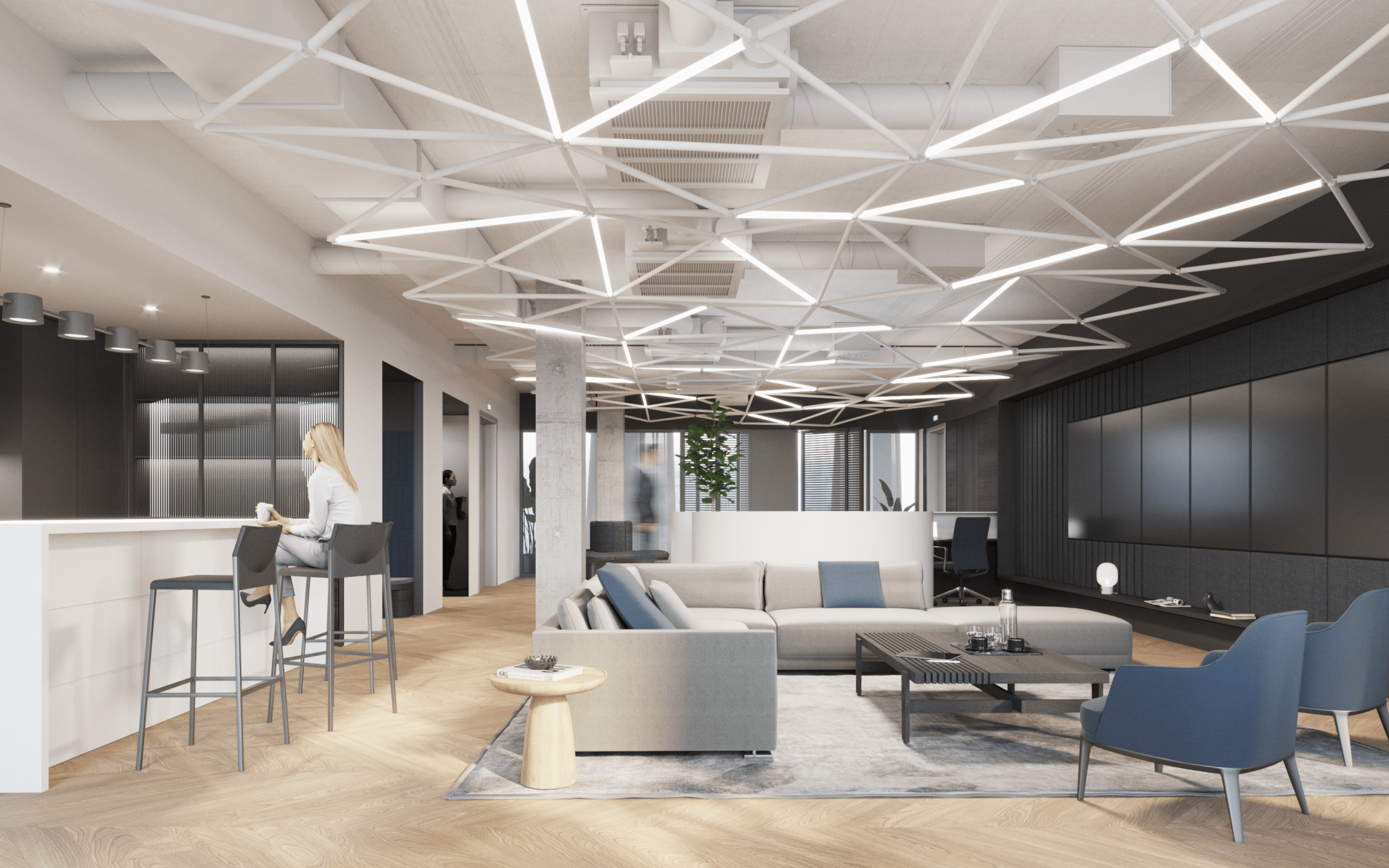
Researchconducted on a sample of 2,500 UK employees has clearly confirmed that flexible working will prevail in the future. The hybrid model combines the best of home and office working. T i who already work in a hybrid work model cite a sense of increased creativity, productivity and quality of relationships as benefits. The hybrid model combines the best of working from home and the office – independence and flexibility versus structure and socialization.
- Reduced operating costs – smaller offices with fewer jobs. This allows more investment in quality and design, which is directly proportional to sustainability.
- Increased productivity – in a decline in workplace micromanagement, employees experience a greater sense of independence.
- A real workplace for people – based on past experience, companies are able to identify their real needs based on the efficiency of office use (workplace consulting).
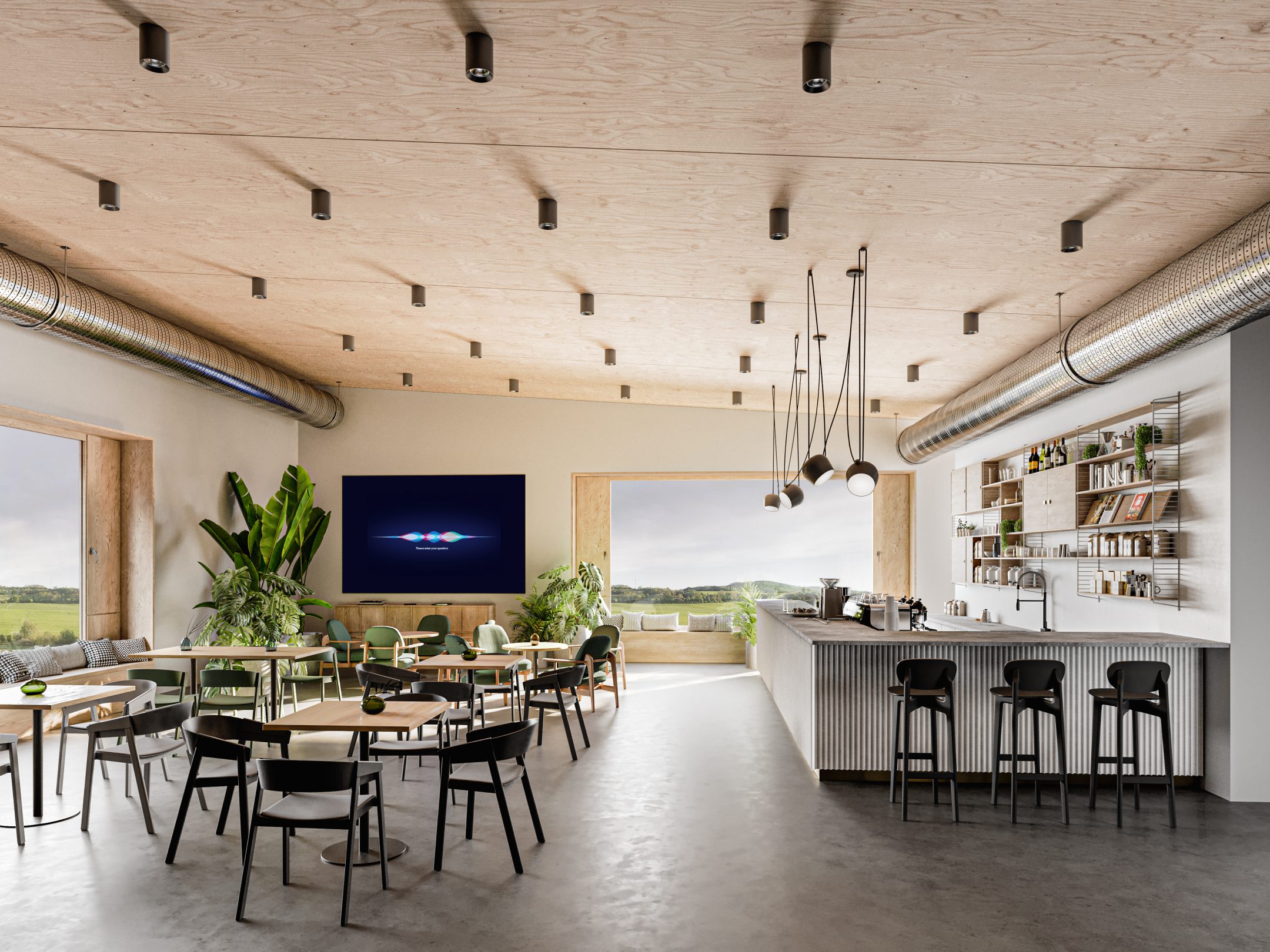
- Technology – it is essential to support video conferencing for remote workers. It is the most efficient and natural way for them to connect with others. Investing in a system and locations where they can quietly make phone calls will become a necessary part of the office.
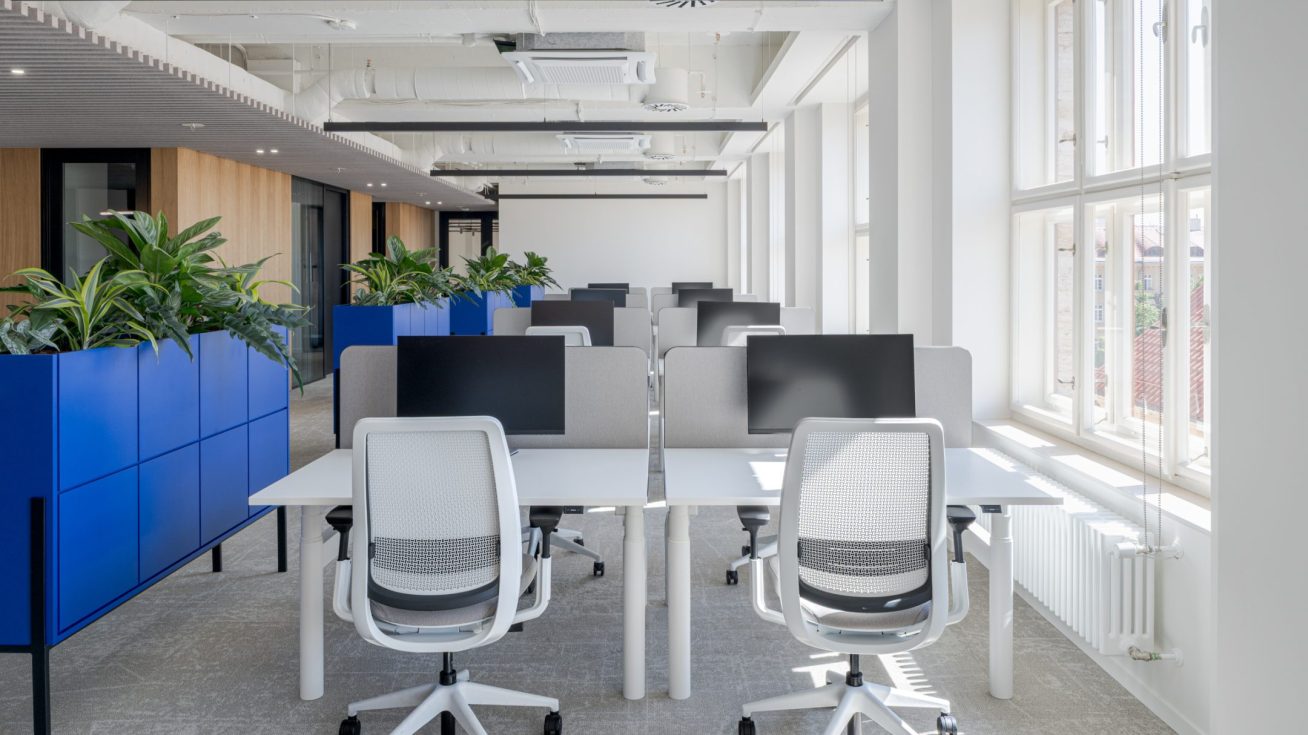
- Flex-desk – the possibility for an employee to book any place or office. What are the benefits? Maximize the use of resources in the workplace, as you don’t need one desk for each employee, but only for those who are in the office at any given time.
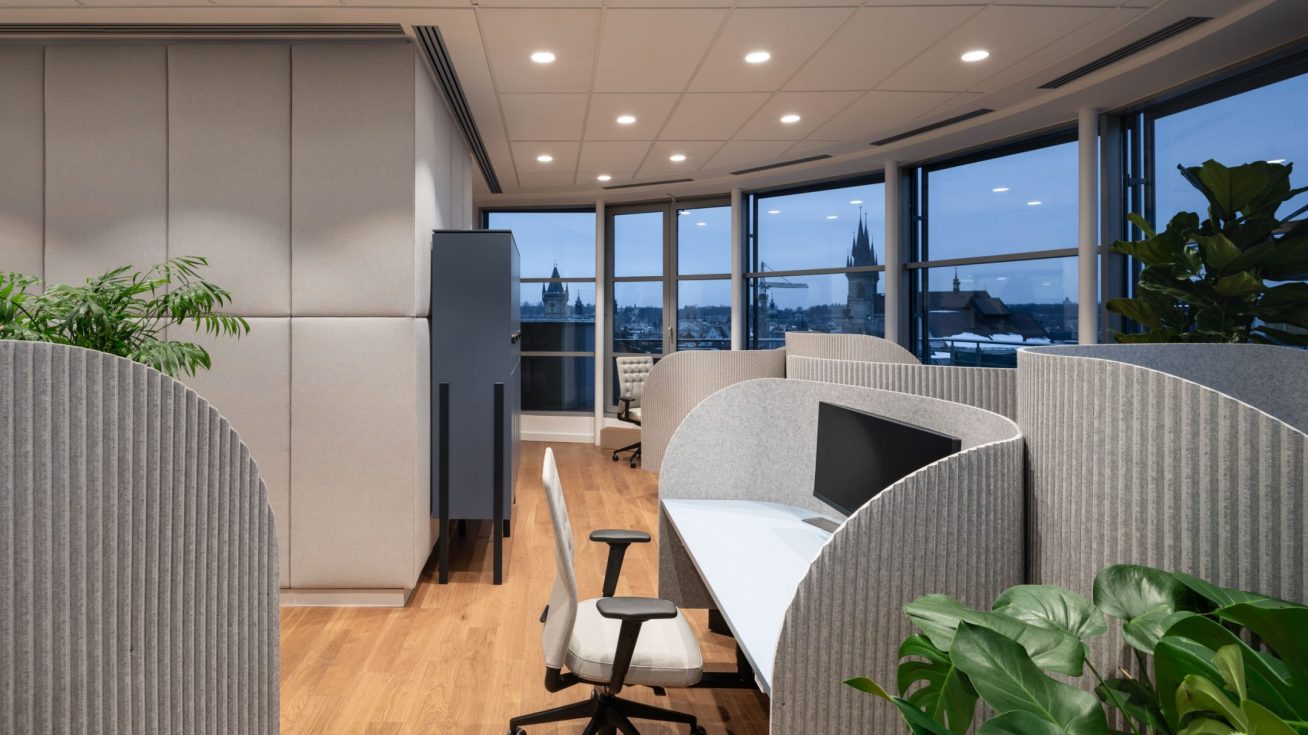
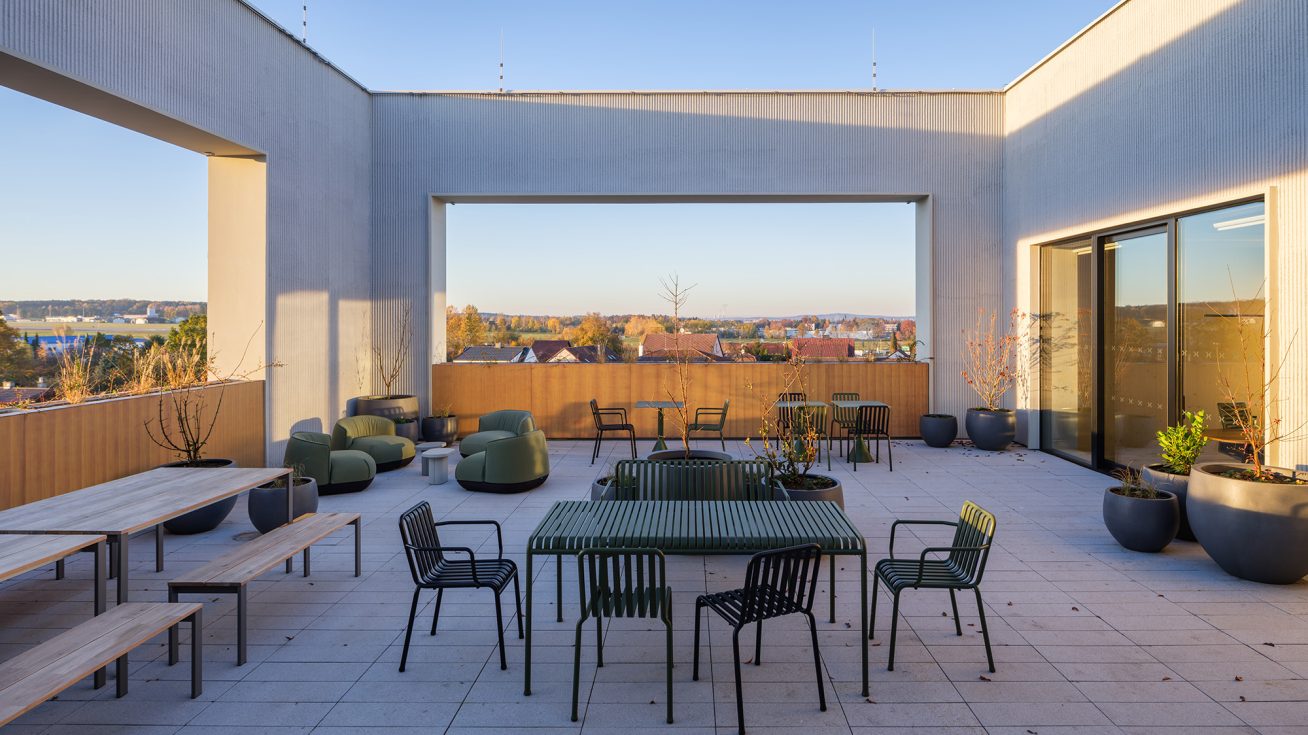
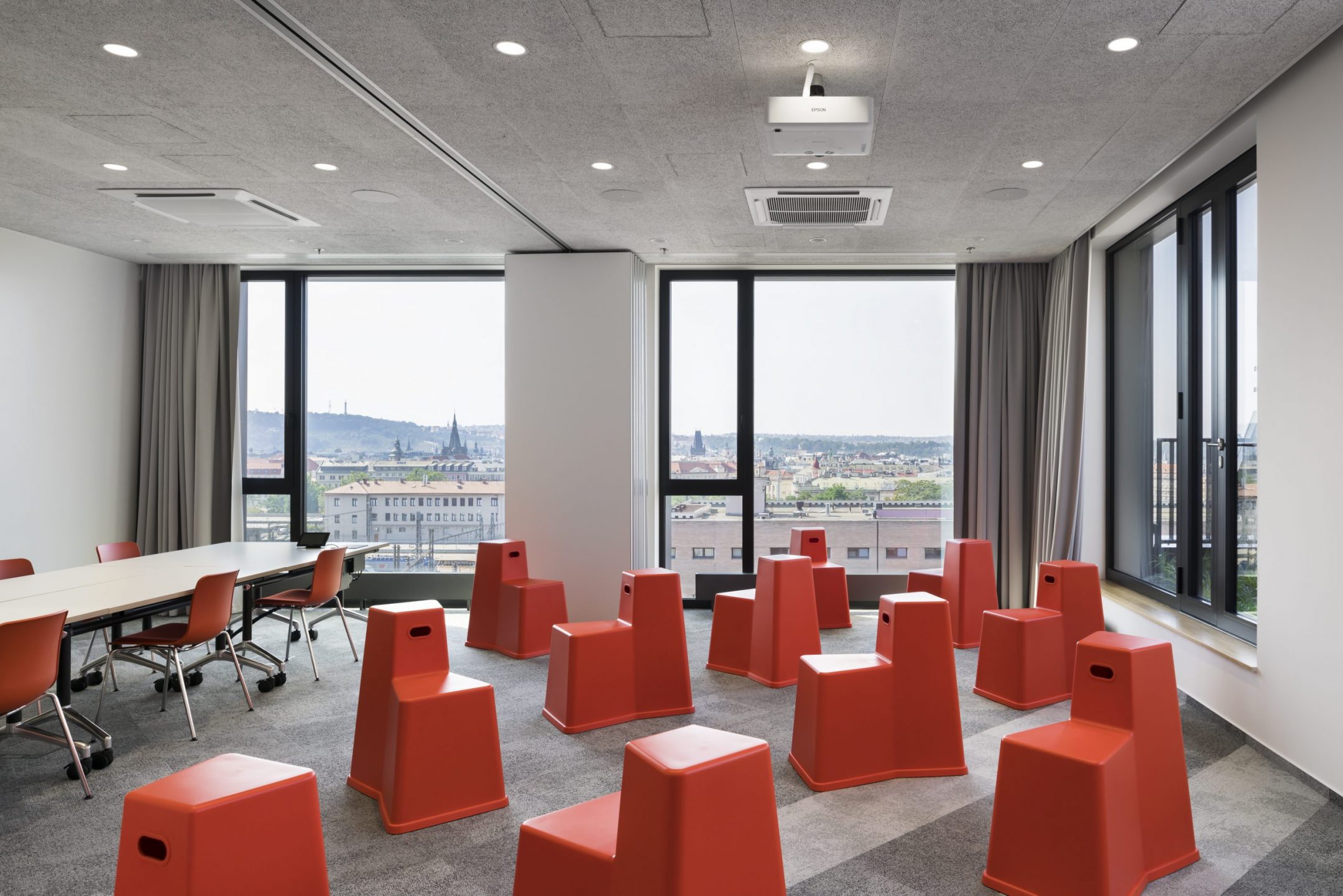
- Diverse work environment – meeting room for 2, desk for focused work, conference room for team meeting. Having multiple types of work environments for different activities allows team members to find the best setting for what needs to be done. Including connecting with their remote co-workers.
Take inspiration from our office projects