
About project
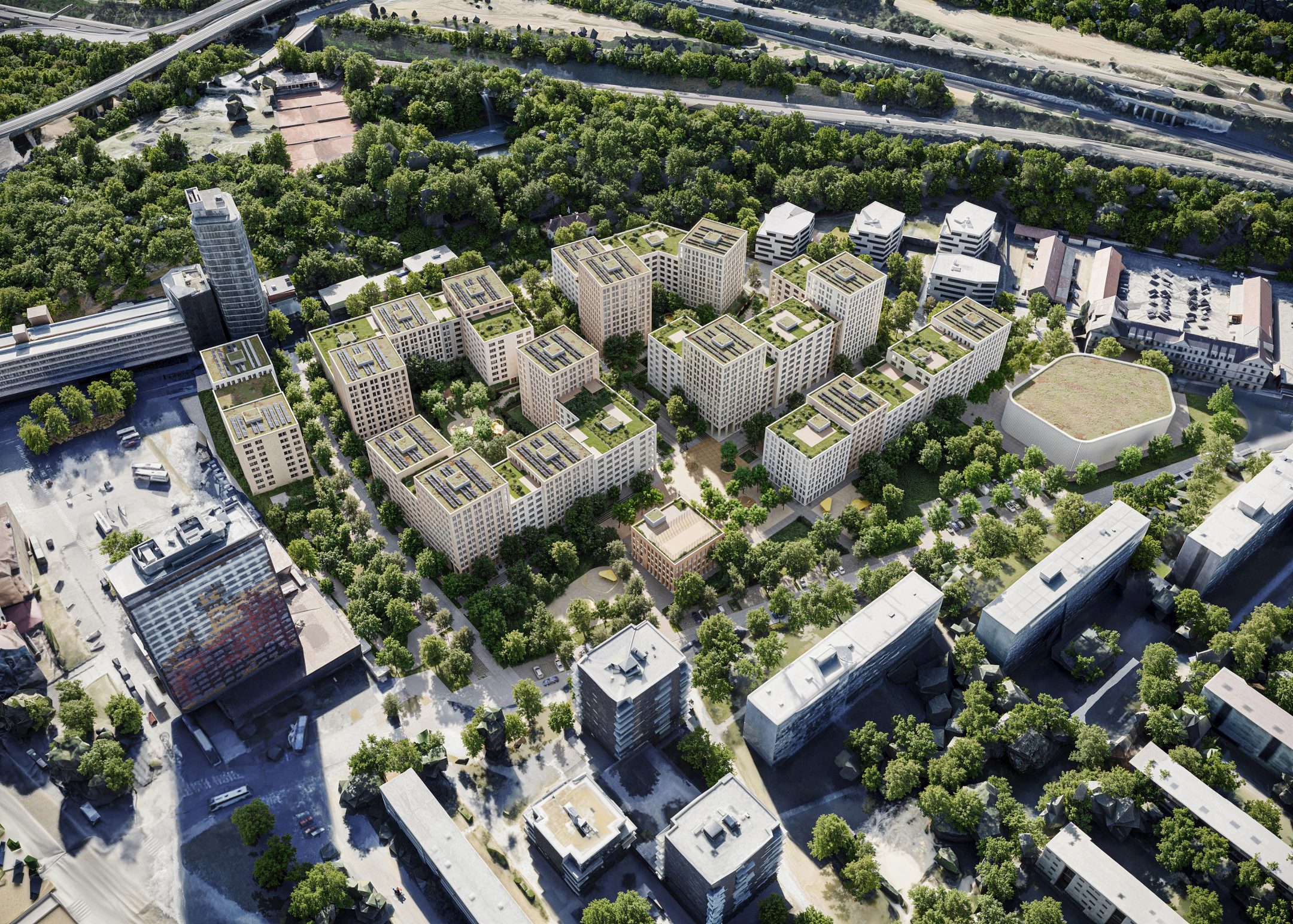
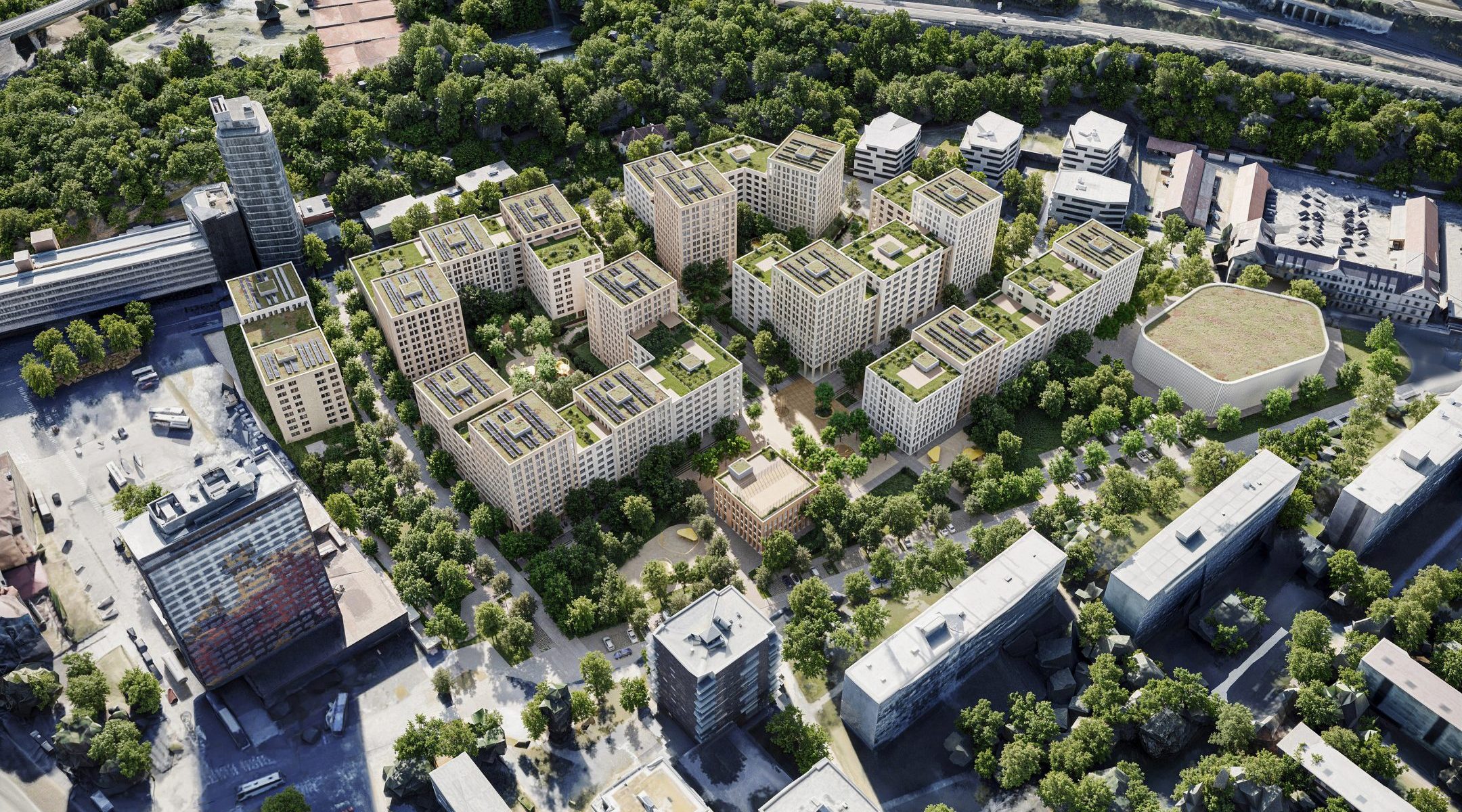
Our competition proposal transforms a previously isolated plot of land on the eastern edge of the Invalidovna housing estate into a modern, open and multifunctional neighbourhood that combines classic urban blocks with looser modernist forms. The project offers quality public spaces, safe walking and cycling routes and a diverse range of amenities – from commercial parterres to sports facilities – to make life in Karlín convenient, accessible and full of activities.
Thanks to the sensitive interconnection of urban structures and respect for the surrounding scale, we create a space that is pleasant for the everyday life of residents, welcoming for visitors and promising for investors. New Karlín thus becomes a vibrant and connected part of the city, where architectural quality, sustainability and attractive urban life are combined.
-
Client
Central Group a.s.
-
Year
2025
-
Location
Prague - Karlín, Czech Republic
-
Architecture
Ján Antal
Kristýna Blažíčková
Gabriela Voláková
Daniel Krupka
Daria Edunova -
Landscape
Richard Labanc
-
Transport
Projekce dopravní Filip s.r.o.
-
Visualization
Ján Martin Púčik
Show all
Concept of urban form
The area lies in an urban district characterised by two distinct urban structures – the traditional block development of Karlín and the looser modernist structure of the Invalidovna housing estate. The design builds on this polarity and creates a hybrid urban structure that combines the quality of compact urban blocks with the openness of modernist forms.
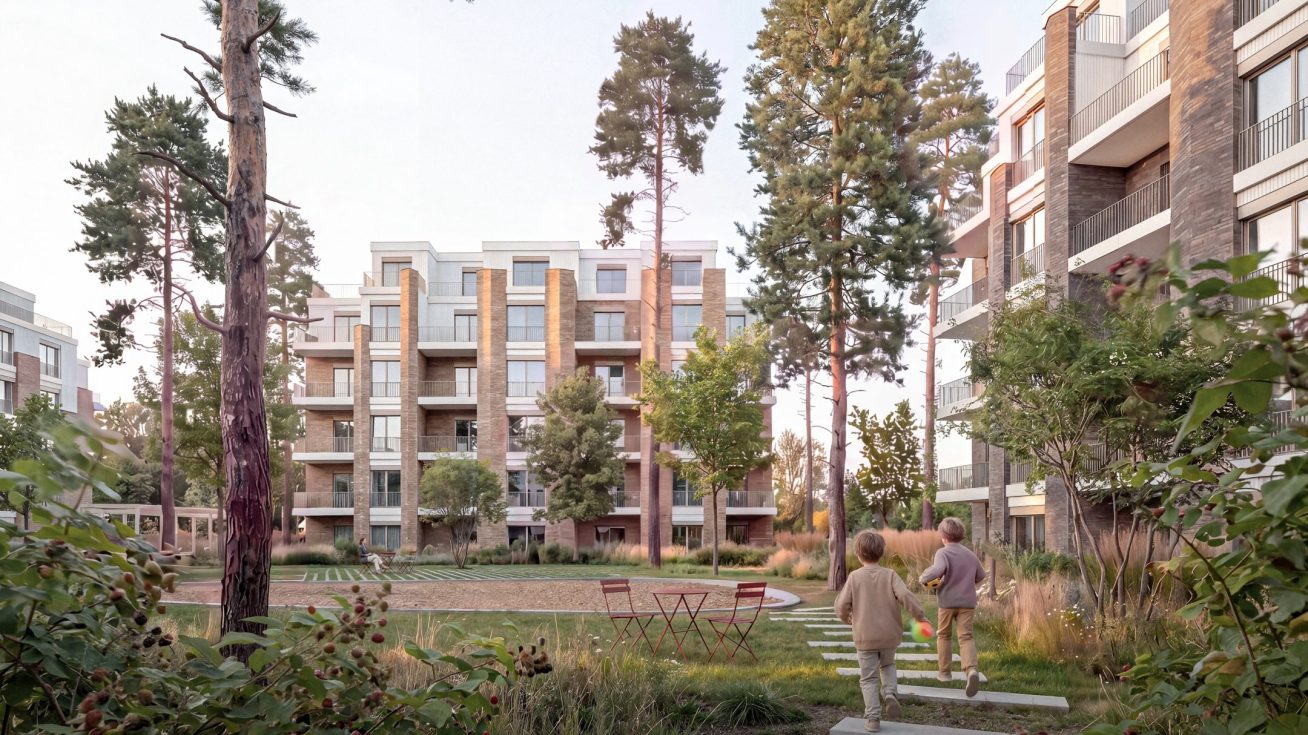
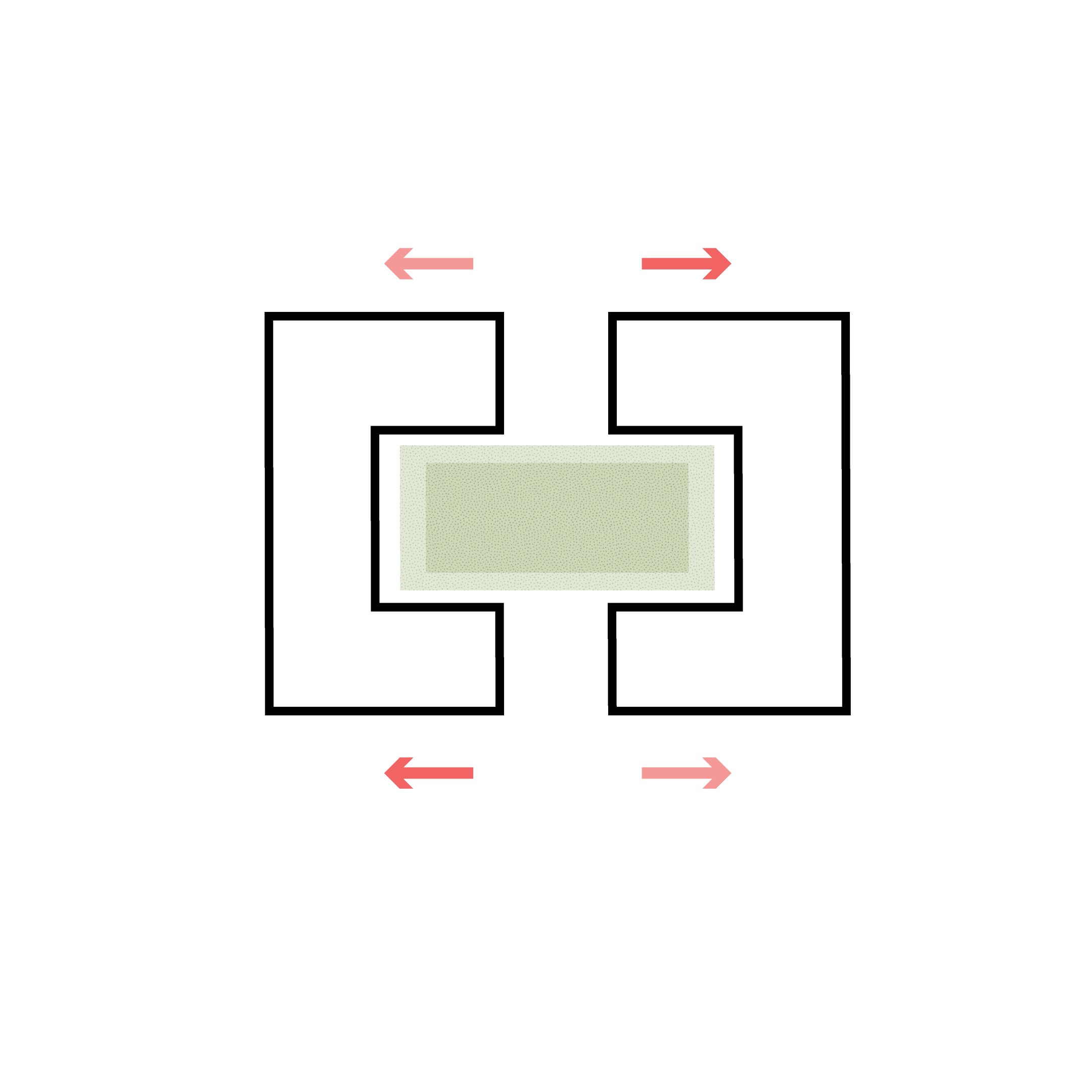
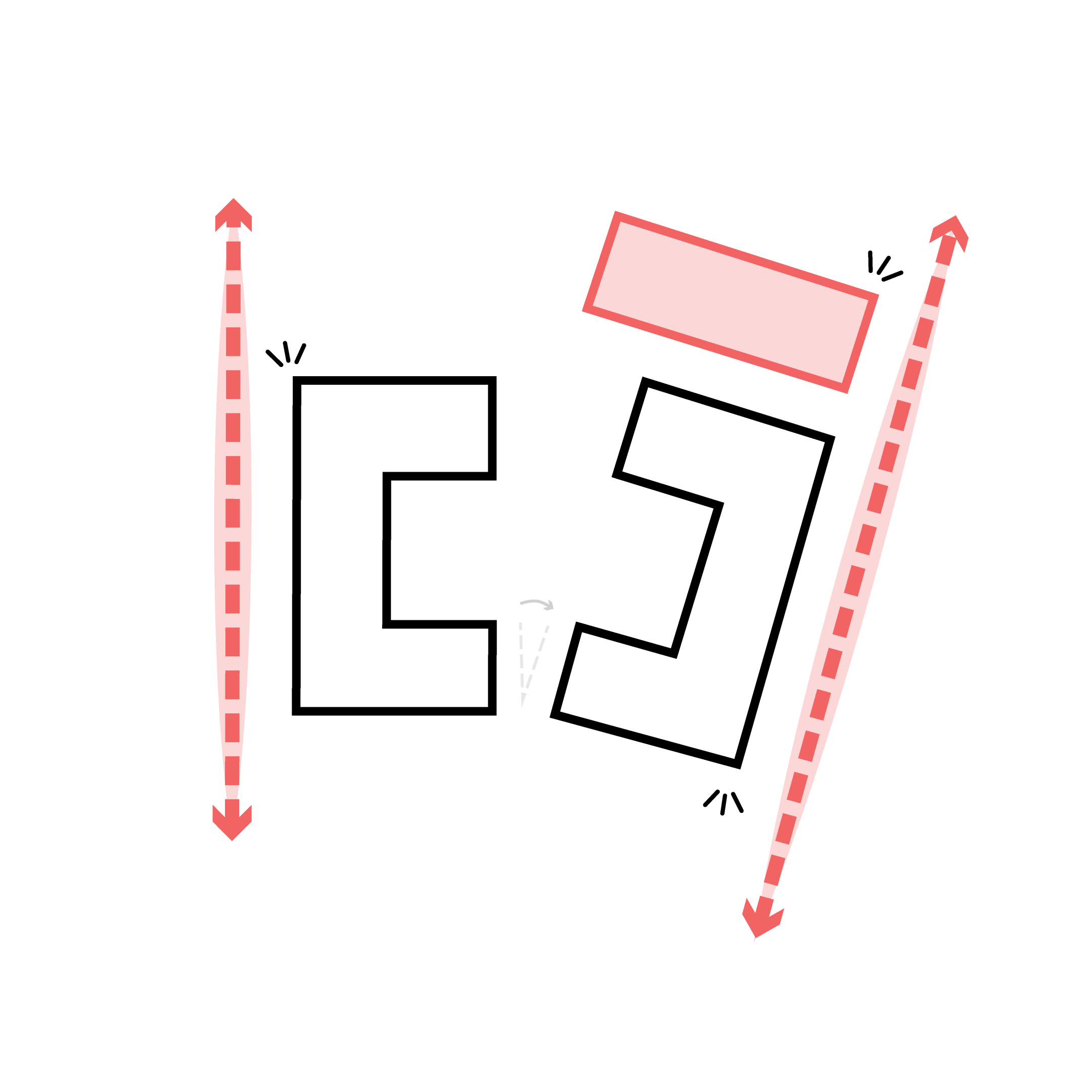
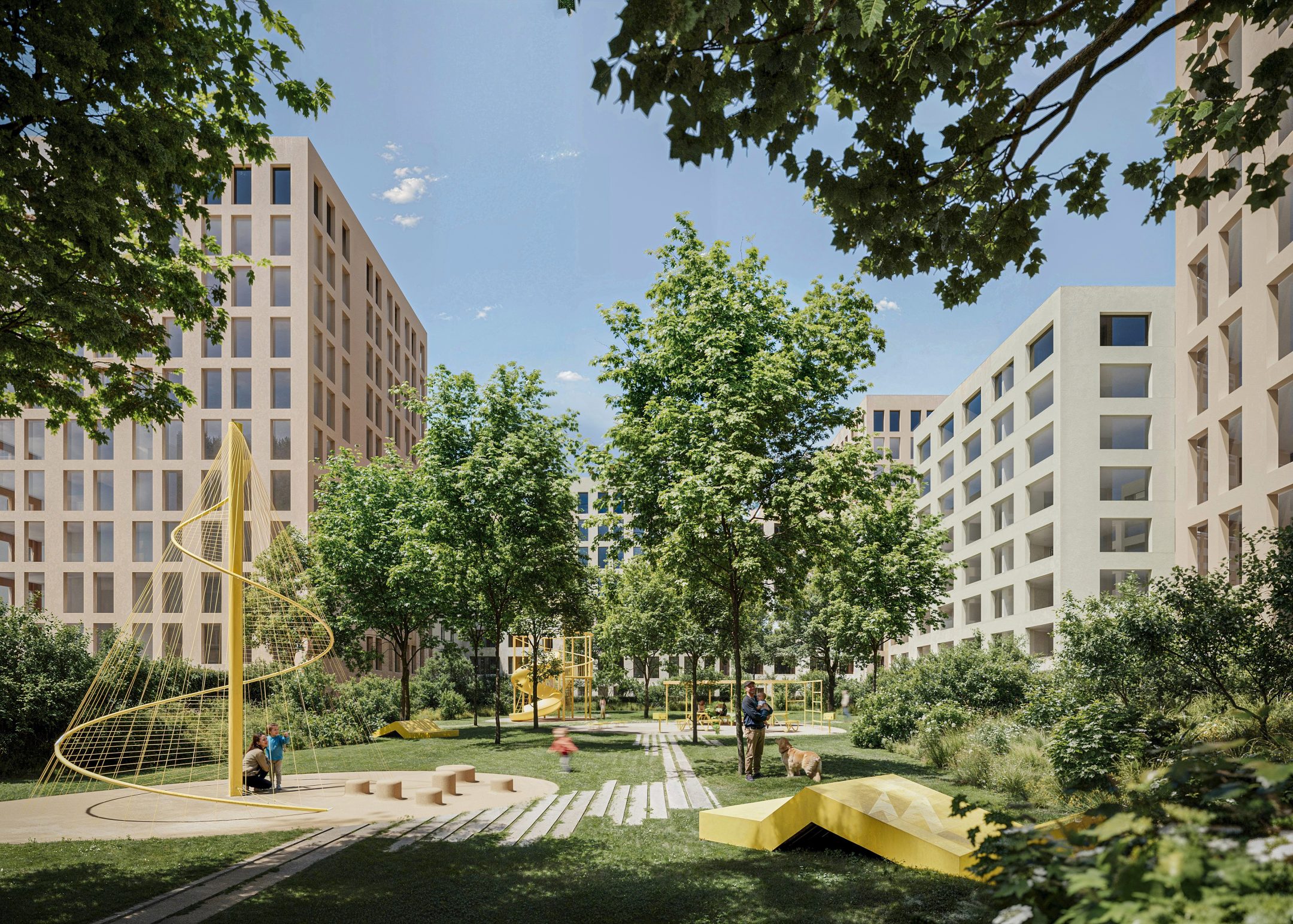
The basic unit of the design is the blocks divided into two “U” shaped masses that create a logical connection between the streets and at the same time form semi-private courtyards with carefully conceived greenery. These courtyards provide residents with spaces for relaxation, community activities and leisure, enhancing the quality of public life within the neighbourhood.
The orientation and shape of the individual blocks respects the surrounding street network, existing property boundaries and the scale of the surrounding development. The urban structure designed in this way supports the interconnection of public, semi-public and private spaces, ensures pedestrian accessibility and the natural integration of the area into the wider urban fabric.
The result is a modern and lively neighbourhood that respects the historical context of Karlín, contemporary urban planning principles and the needs of the residents of the Invalidovna housing estate. The hybrid combination of block and open structure allows flexibility for different types of housing, amenities and quality public spaces.

New Urban Quarter
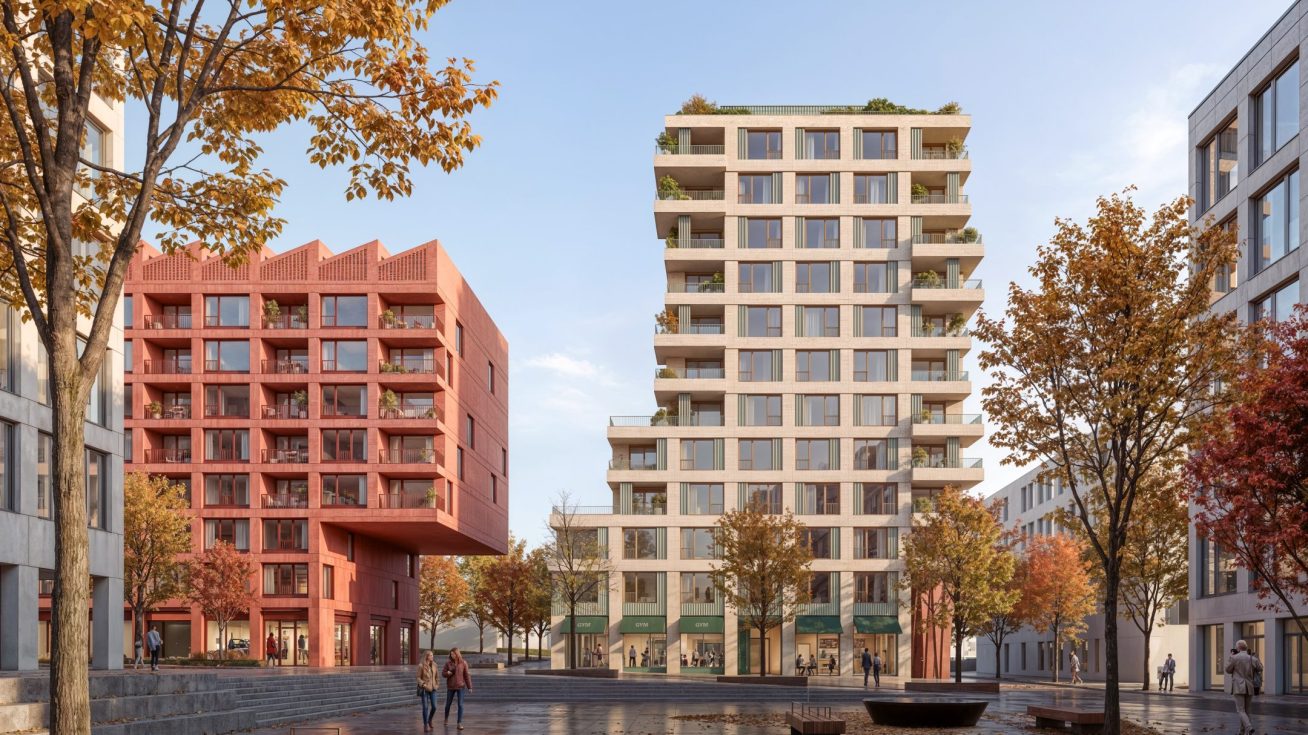
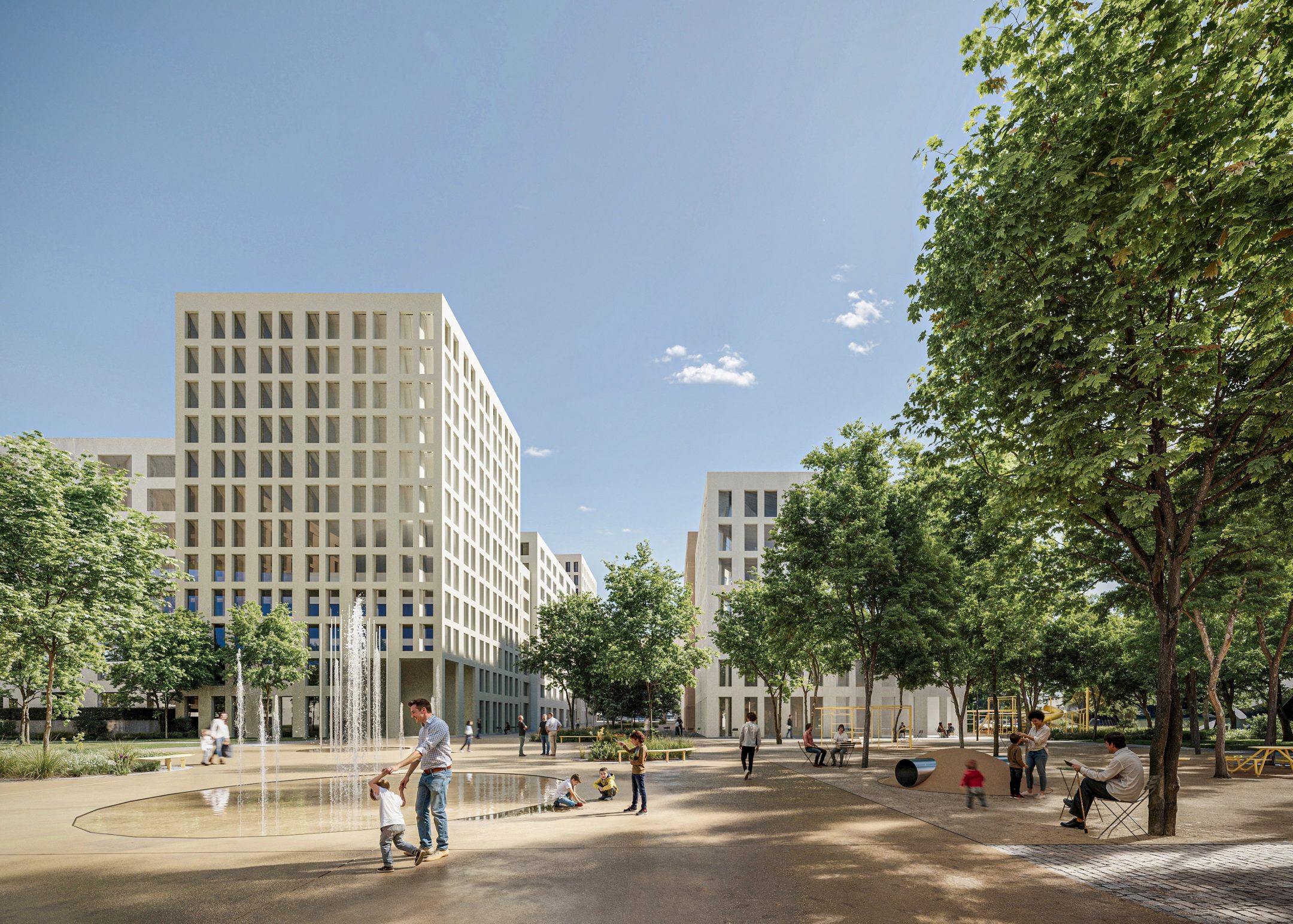
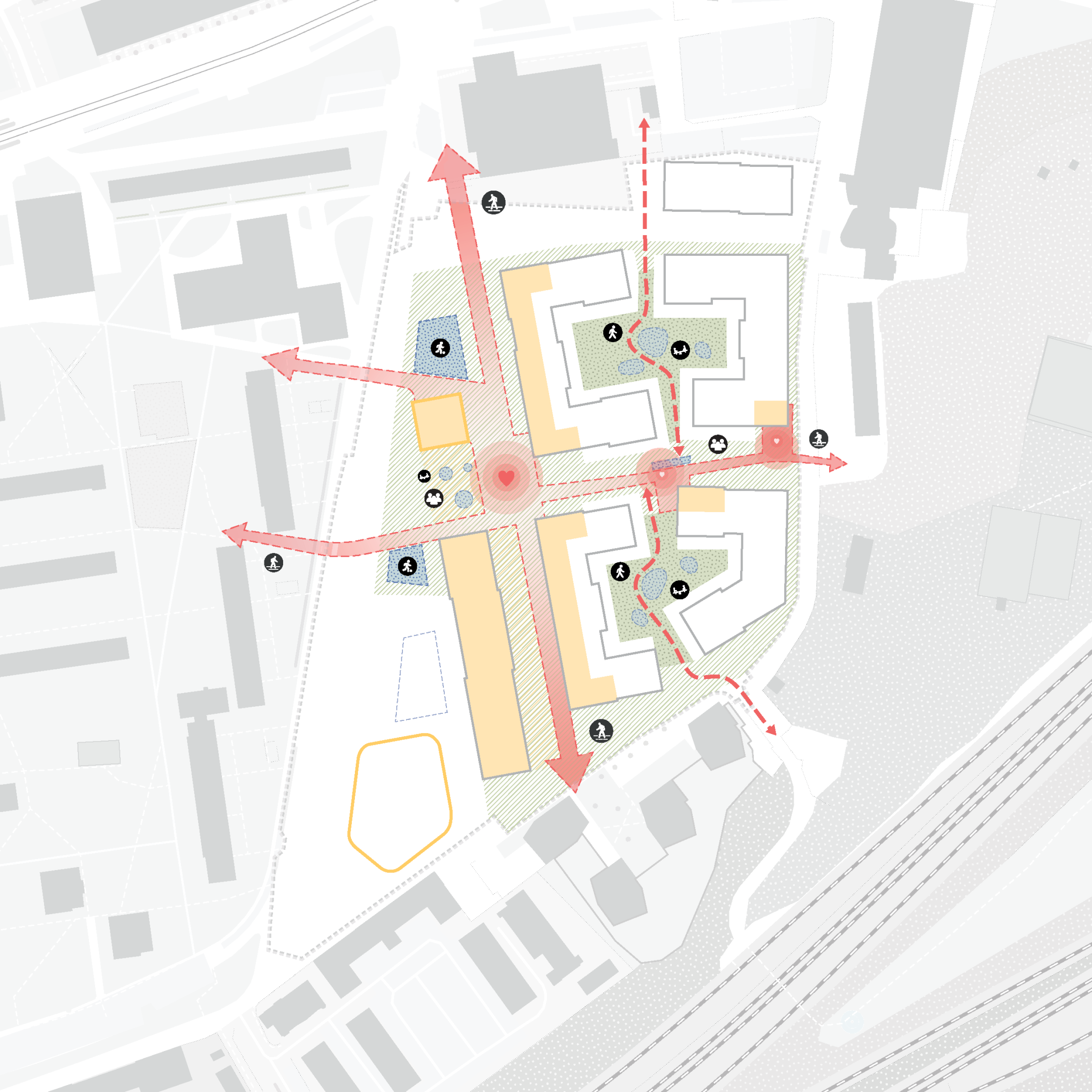
The public spaces are conceived as a hierarchical network combining parks, main “backbone” boulevards, smaller connecting streets and quiet courtyards. The main public spaces provide space for community activities, markets or sport, while the smaller spaces encourage more intimate gatherings and relaxation. This structure ensures a smooth and safe permeability of the area and creates a clearly legible system that supports the daily life of residents and visitors.
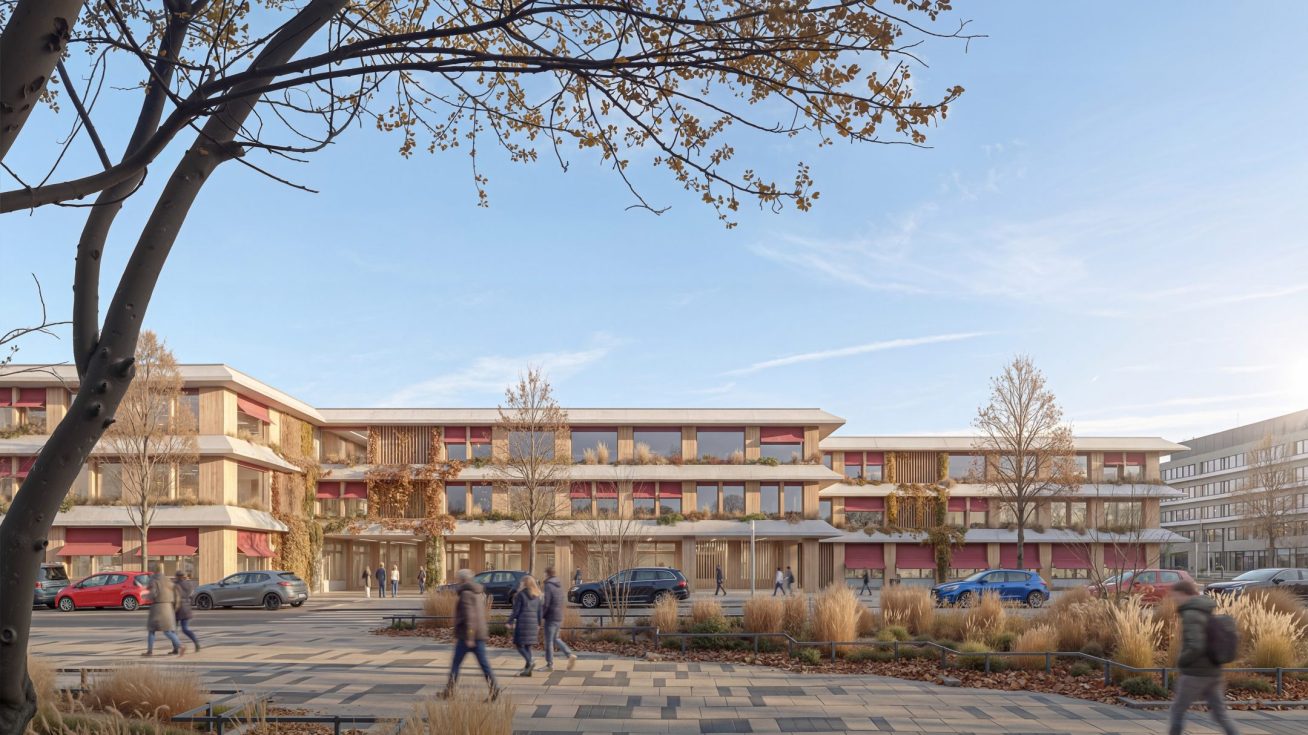
The neighborhood’s ground floor is designed to activate street frontages and create a vibrant urban environment. Commercial and civic functions are located to be easily accessible by pedestrian routes while encouraging interaction between residents and visitors. The ground floor includes spaces for services, shops and sports, ensuring that every street and every block contributes to the overall attractiveness and functionality of the new neighbourhood.
Landscaping solution
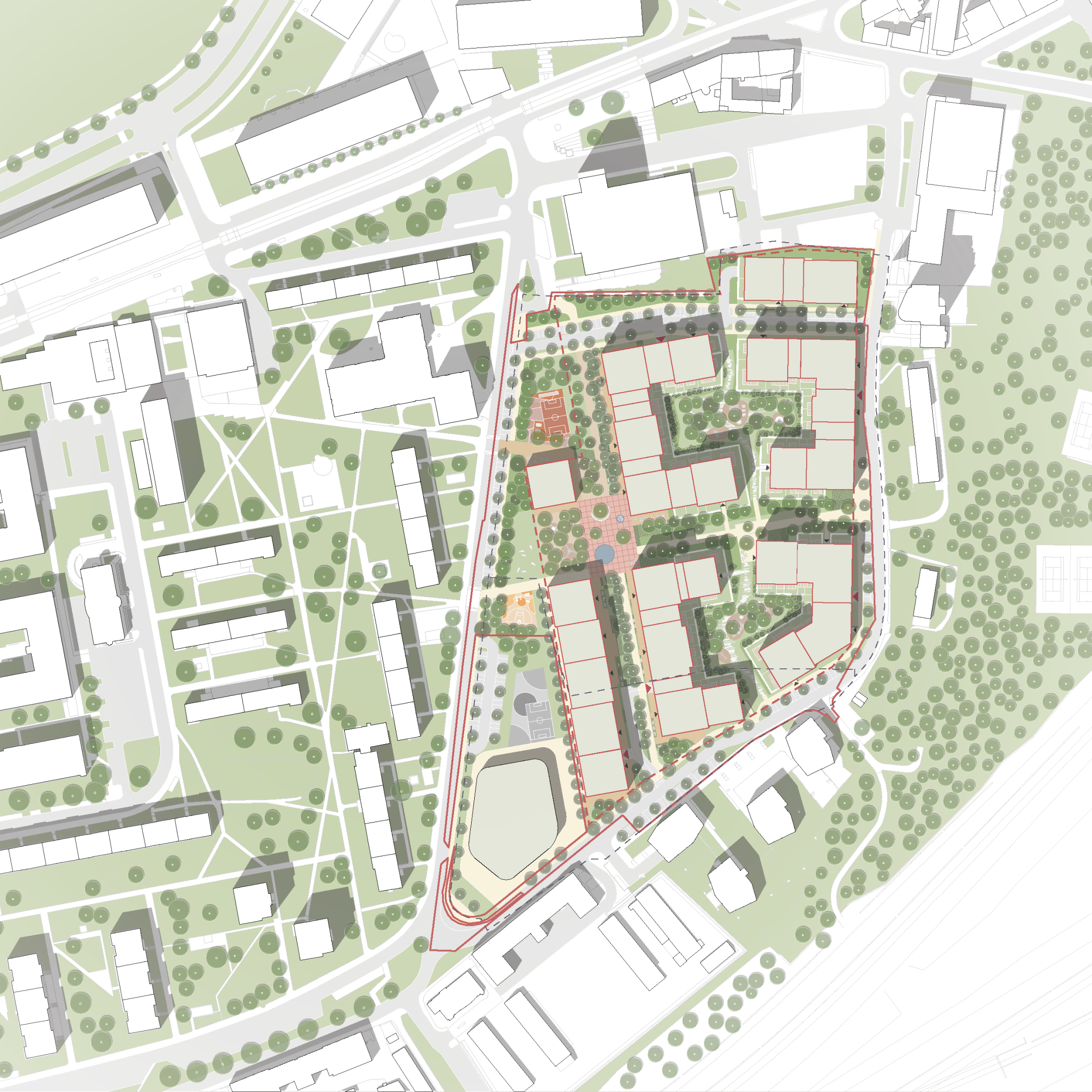
The proposal creates an urban park between the Invalidovna housing estate and the neighbourhood, combining active and relaxation areas. The park offers sports facilities, playgrounds and a civic amenity building, which is loosely connected to the main square and links the public space with the surrounding greenery. A green axis continues from the square between the two blocks, linking the estate with the kindergarten and the parks, increasing the permeability of the area and the quality of public life.
The inner blocks are designed as semi-private green oases with relaxation areas, while green roofs – including biosolar ones – contribute to water retention and the ecological climate of the neighbourhood. The landscape design combines alleys, loose avenues, tree groups and smaller wooded areas in the plaza to create a diverse urban environment.
The blue-green infrastructure includes new trees planted in a permeable substrate, swales, underground stormwater storage, retention basins, permeable pavement and green roofs. The system allows rainwater to be used for irrigation, promoting biodiversity and a nature-friendly urban design.
Traffic solutions
The existing transport network of local roads U Sluncové and Nekvasilova is used for transport connection. The proposal includes a newly created local road on the northern edge of the area near the Olympik Hotel, which is partly one-way, connecting these two streets in the east-west direction. The unidirectionality is intended to calm traffic and prevent excessive through traffic. The roadway is used to serve the proposed buildings and garage exits.
The inner block is designed as non-motorized, with walking and living areas. These allow for the movement of the emergency services, or for the needs of servicing and maintenance of the buildings. Not for regular traffic.
For pedestrians and cyclists, combined footpaths and interconnected routes are designed to ensure safe permeability of the area. New parking spaces along existing and new streets serve the residents of surrounding homes and visitors to the commercial parterres, providing ample parking capacity and convenient traffic service to the neighborhood.
Separate exits to individual buildings and blocks are designed to meet the connection and capacity conditions. From a traffic point of view, this means that with regard to the total capacity of the collective garages, this connection cannot be made by a single entrance. Therefore, multiple entrances to the collective garage are proposed to allow for the continuous clearance of vehicles.