
About project
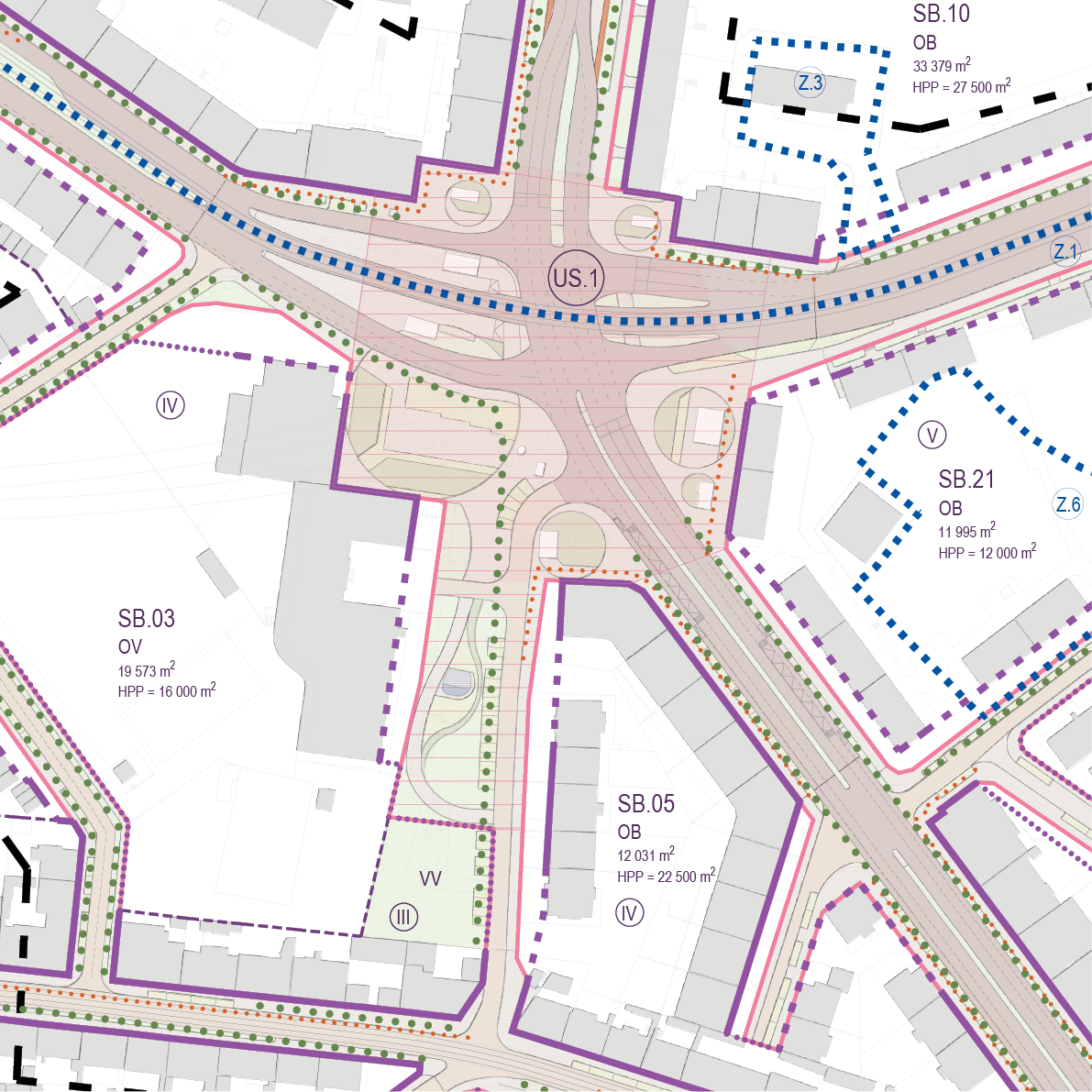
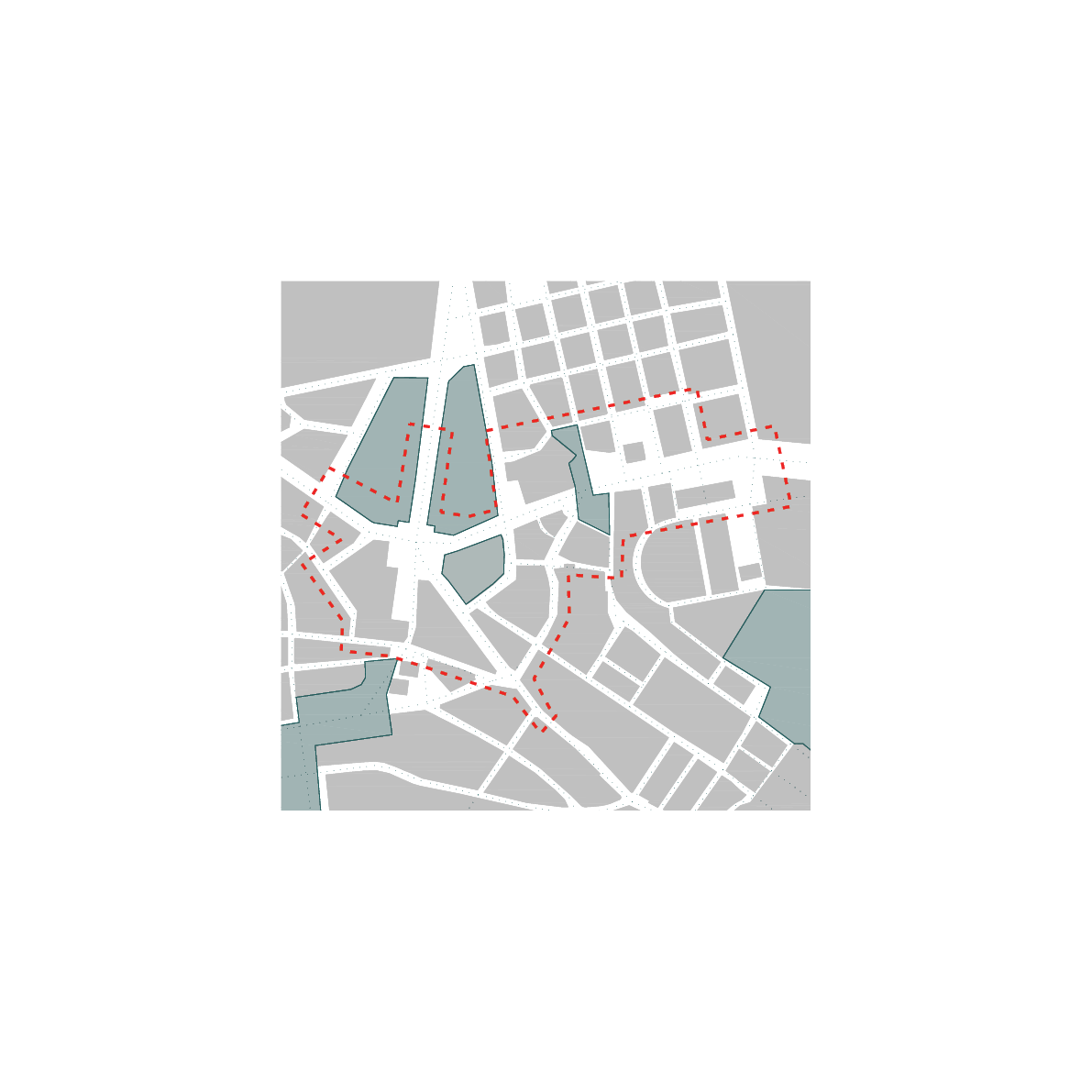
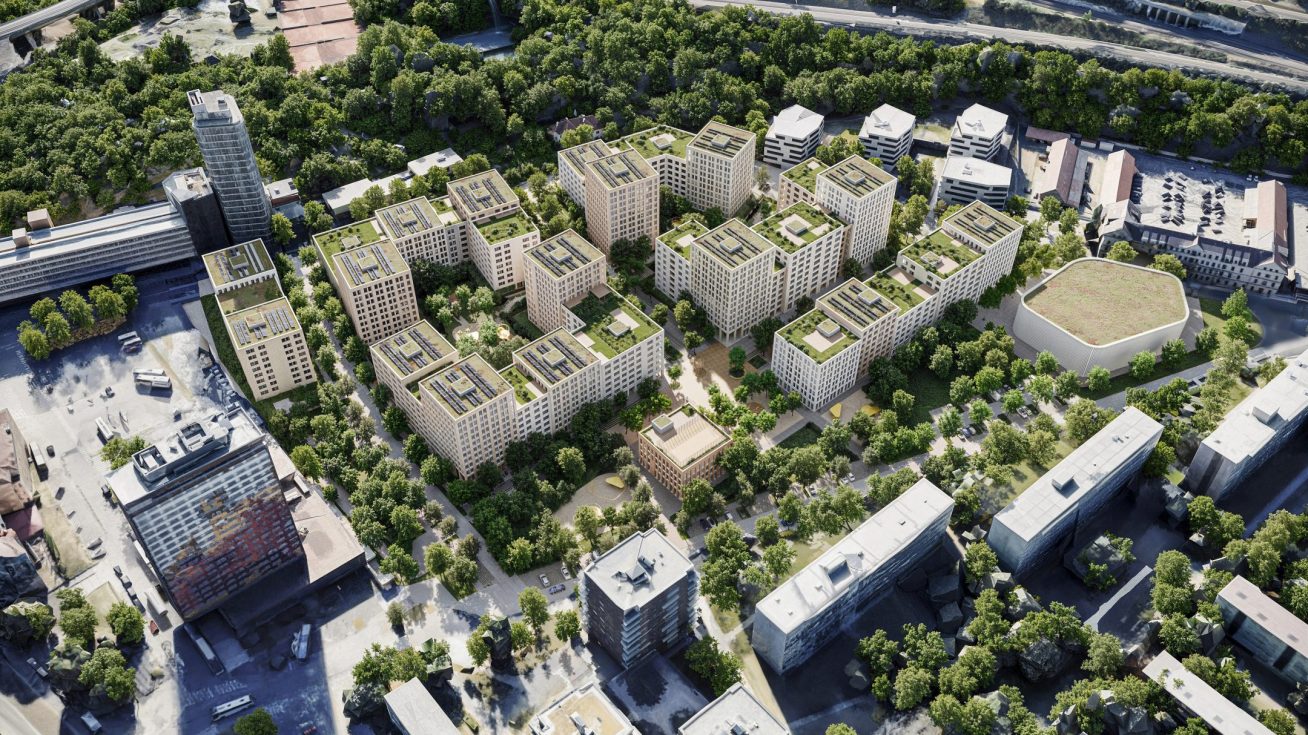
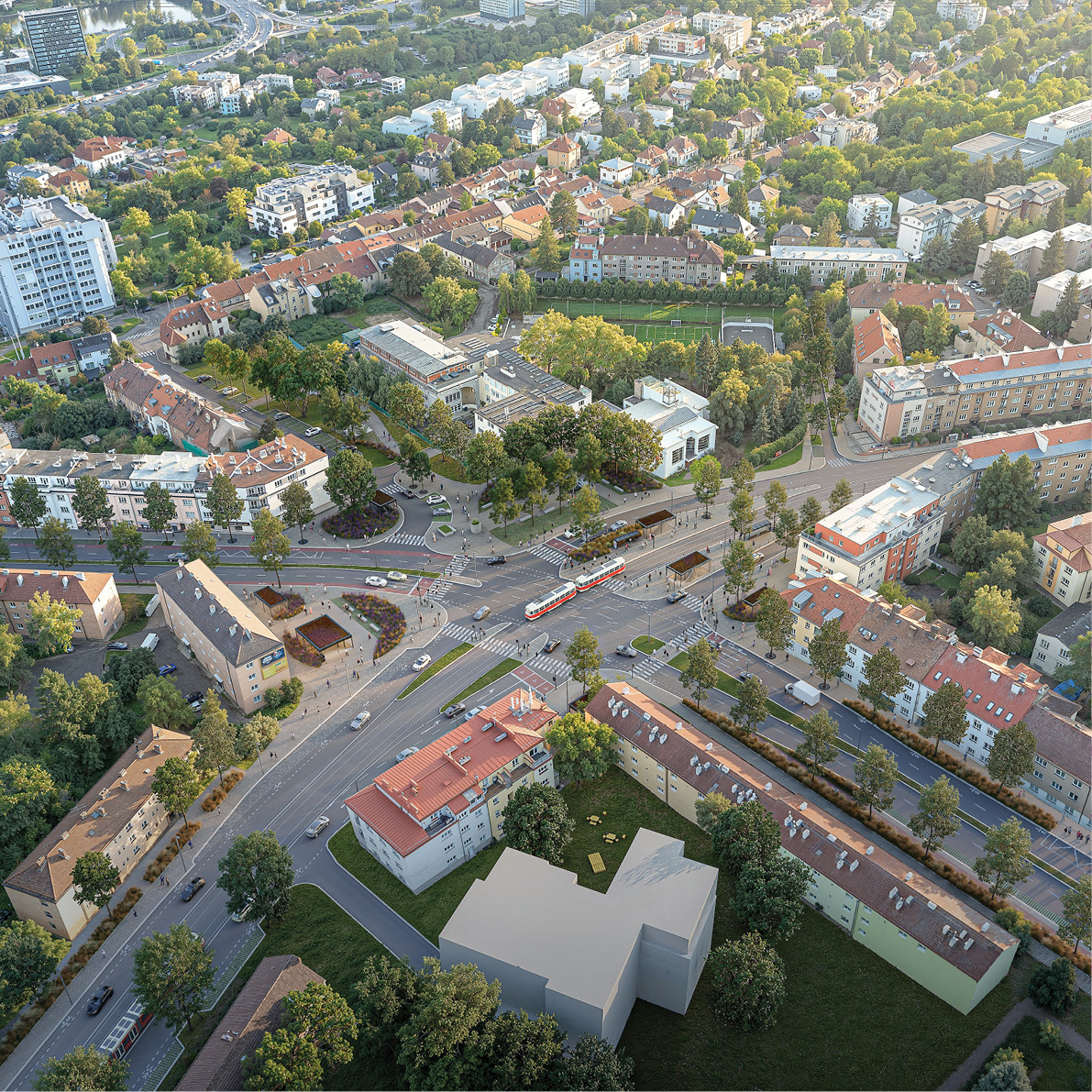
The revitalization of Kobyliska Square represents a strategic opportunity to transform a traffic-laden locality into a fully-fledged urban district with a clear identity and high quality public space. The proposal is based on the principles of sustainable urbanism, support of residential function and systematic strengthening of blue-green infrastructure.
The aim is to create a cohesive, permeable and environmentally resilient environment that responds to the current demands of urban life and the long-term development ambitions of the area. Revitalisation thus brings not only spatial transformation but also a new impetus to the everyday life of the community.
-
Client
Office of the Prague 8 Municipal District
-
Year
2026
-
Location
Kobyliské náměstí, 180 00 Prague 8
-
Authors
Kristýna Stará
Branislav Kožej -
Visualisations
Petr Matějka
Ján Martin Púčik -
Traffic solutions
Josef Filip
Petr Vopalecký
Show all
From a transport hub to an urban avenue
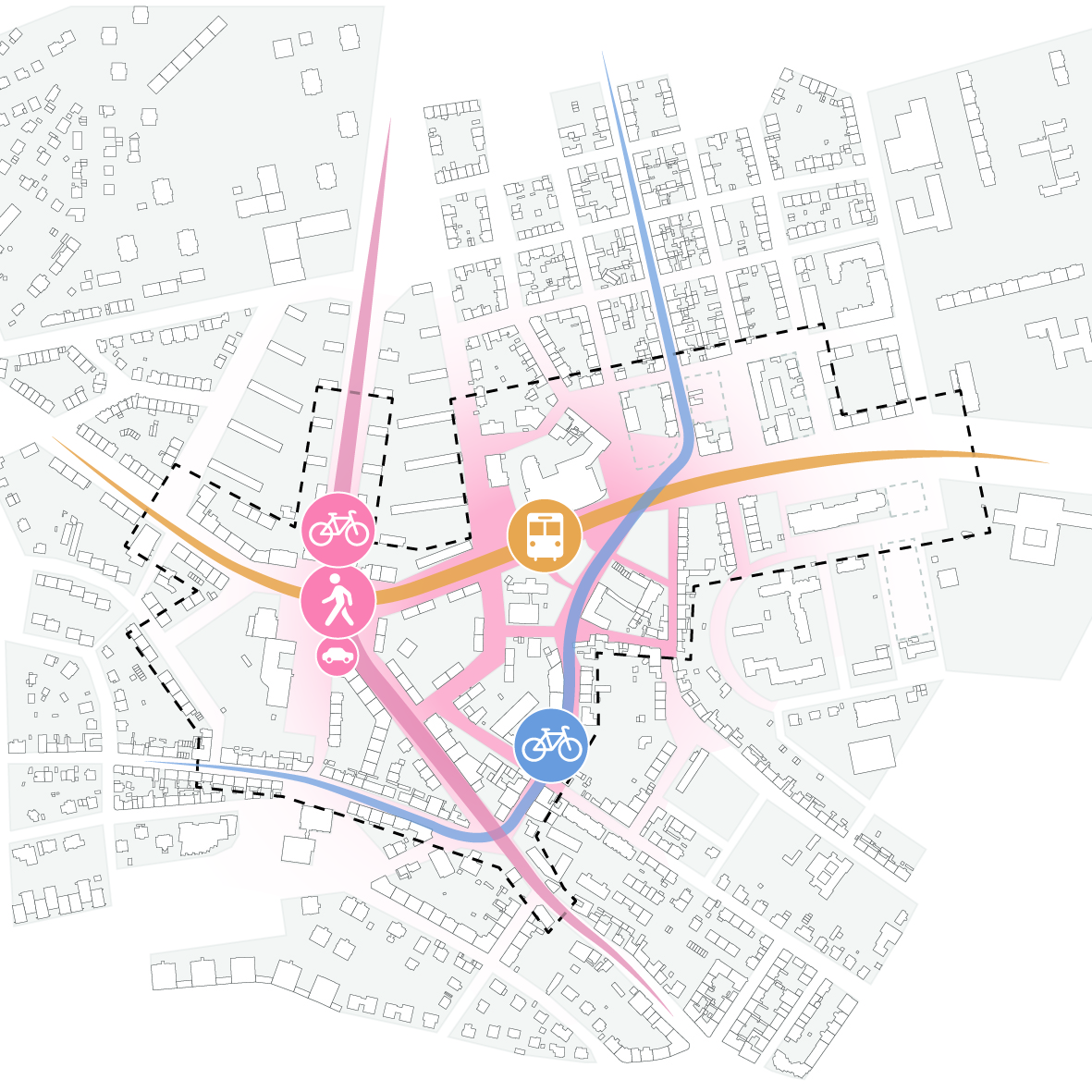
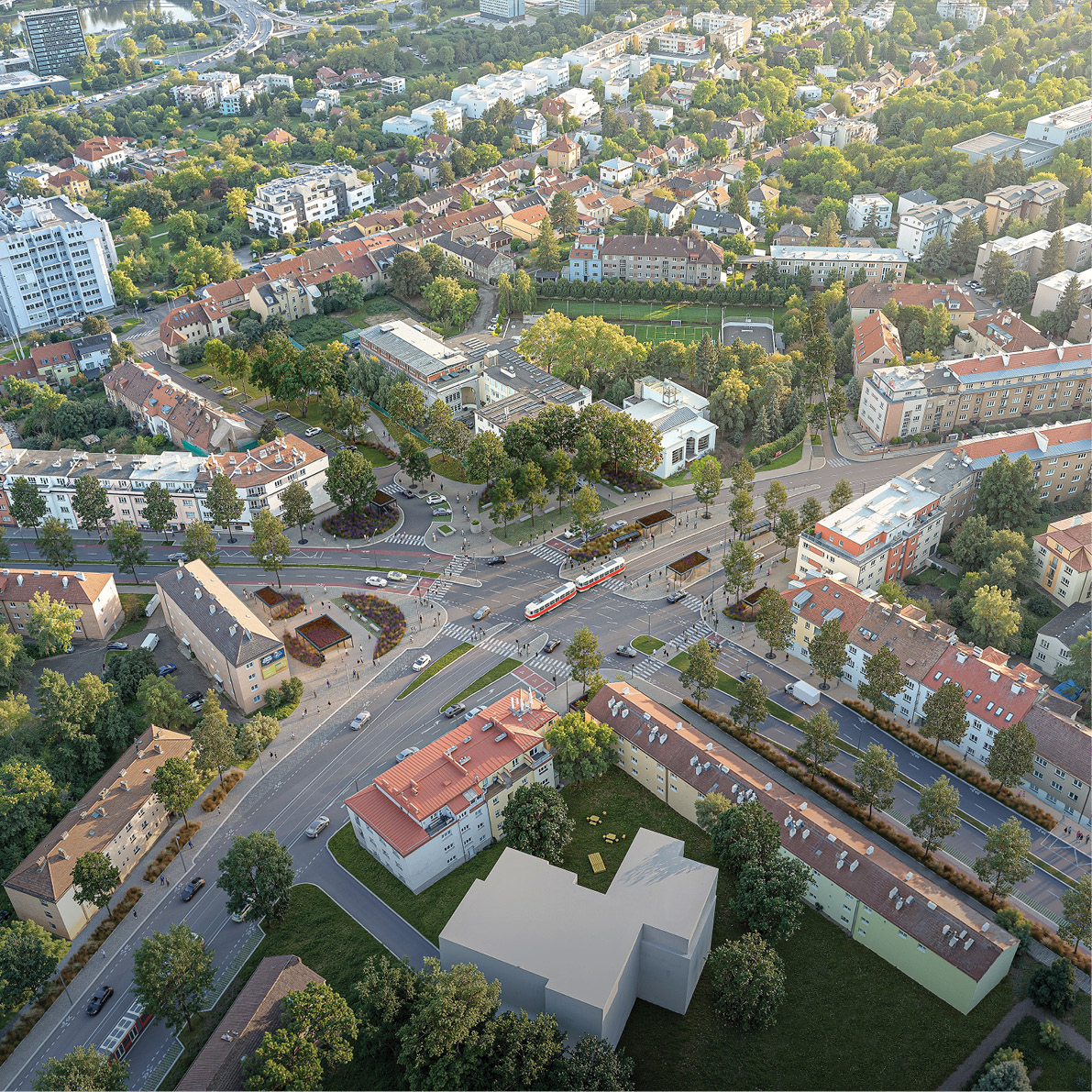
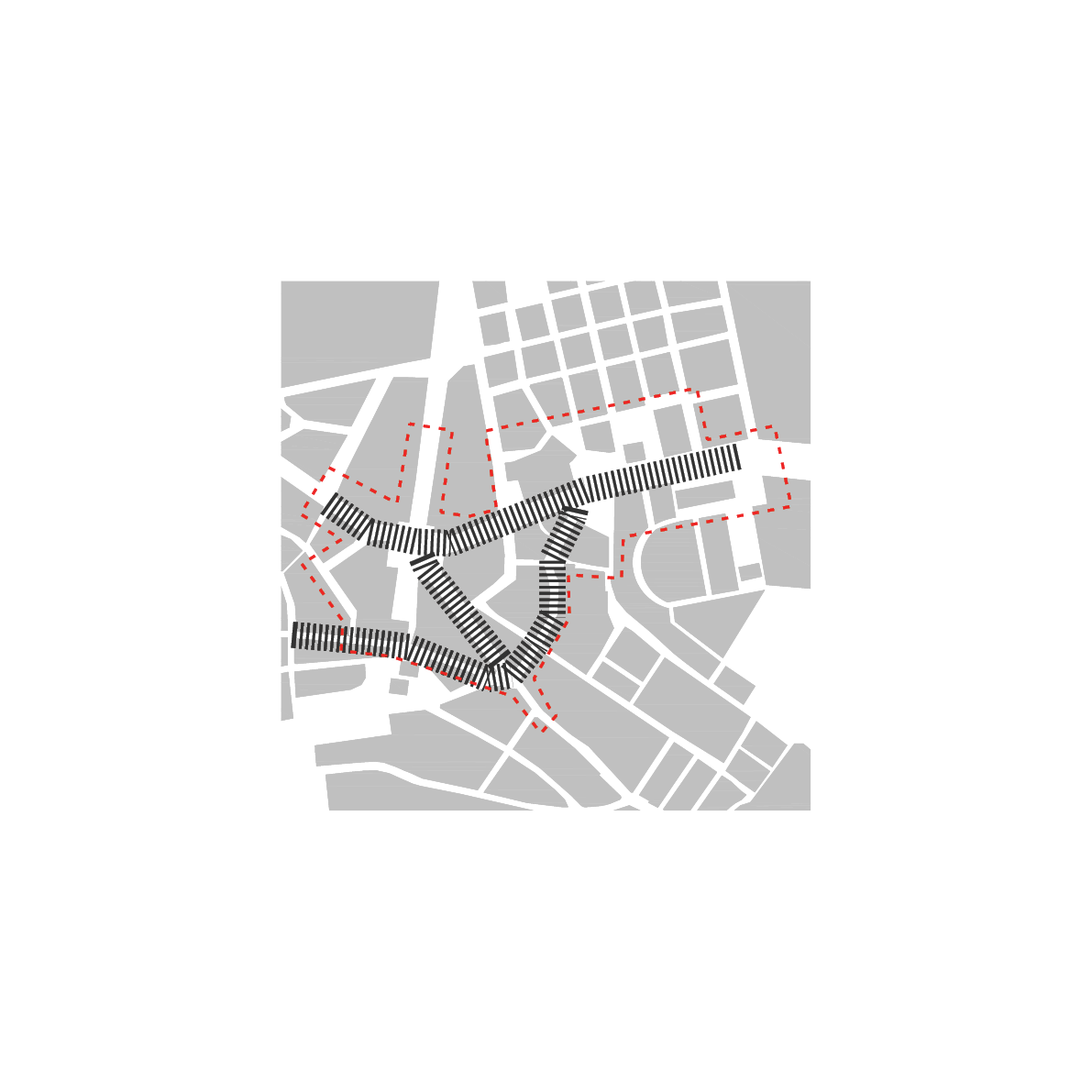
The revitalization transforms a congested traffic area into a representative urban avenue with a clear street structure and an active parterre. The redistribution of wide street profiles in favour of pedestrians and cyclists cultivates the public space and enhances its residential quality.
An important part of this is to allow a natural and direct crossing of the intersection at ground level, thus improving pedestrian accessibility and interconnection between the different parts of the square. The new tram line becomes the backbone of sustainable mobility and the impetus for the development of a natural local centre. The result is a legible, confident and lively urban environment.
The proposed solution reduces parking in exposed pedestrian zones and moves it to street profiles, thereby limiting the loss of parking capacity while freeing up areas for recreational use.
Living parterre and connected public spaces
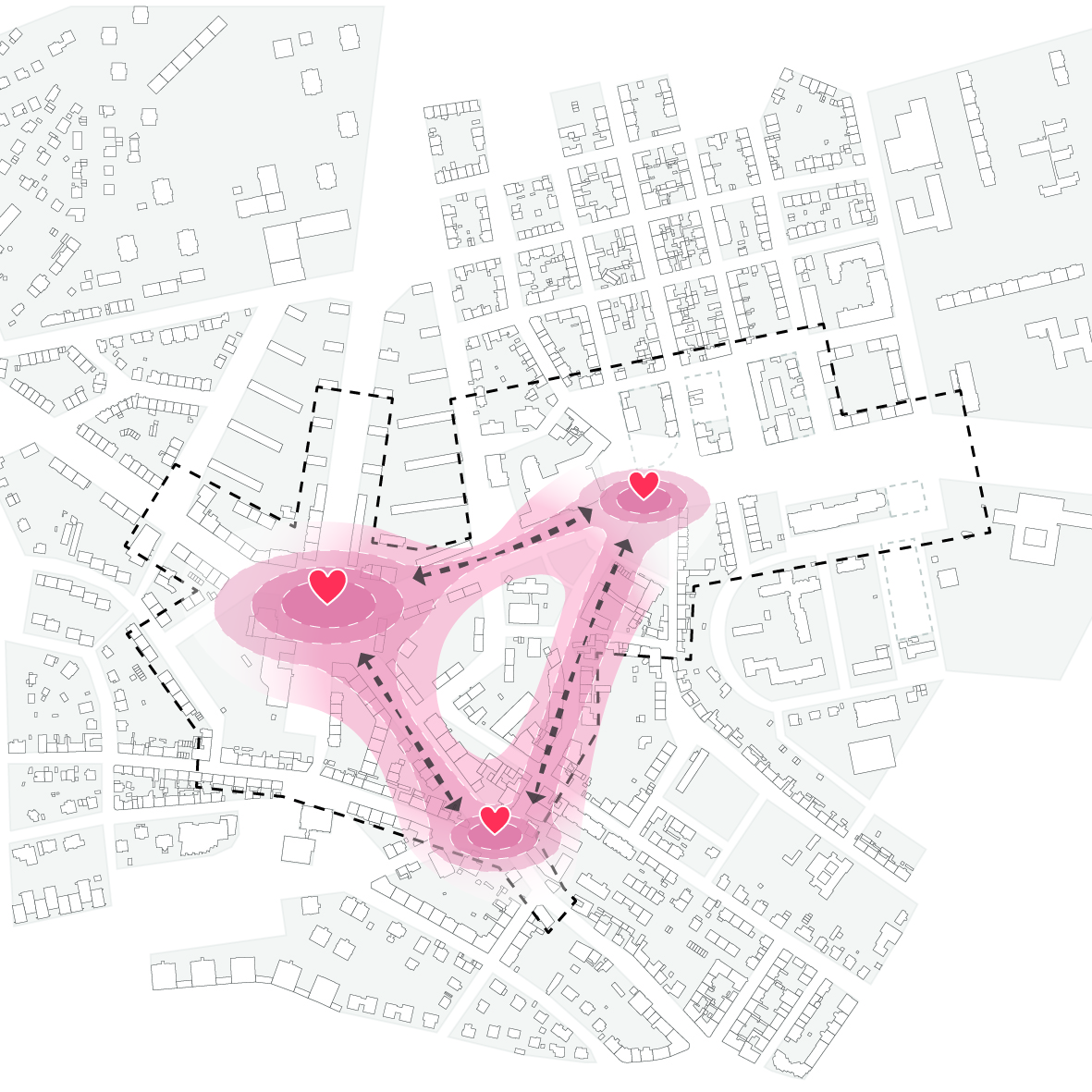
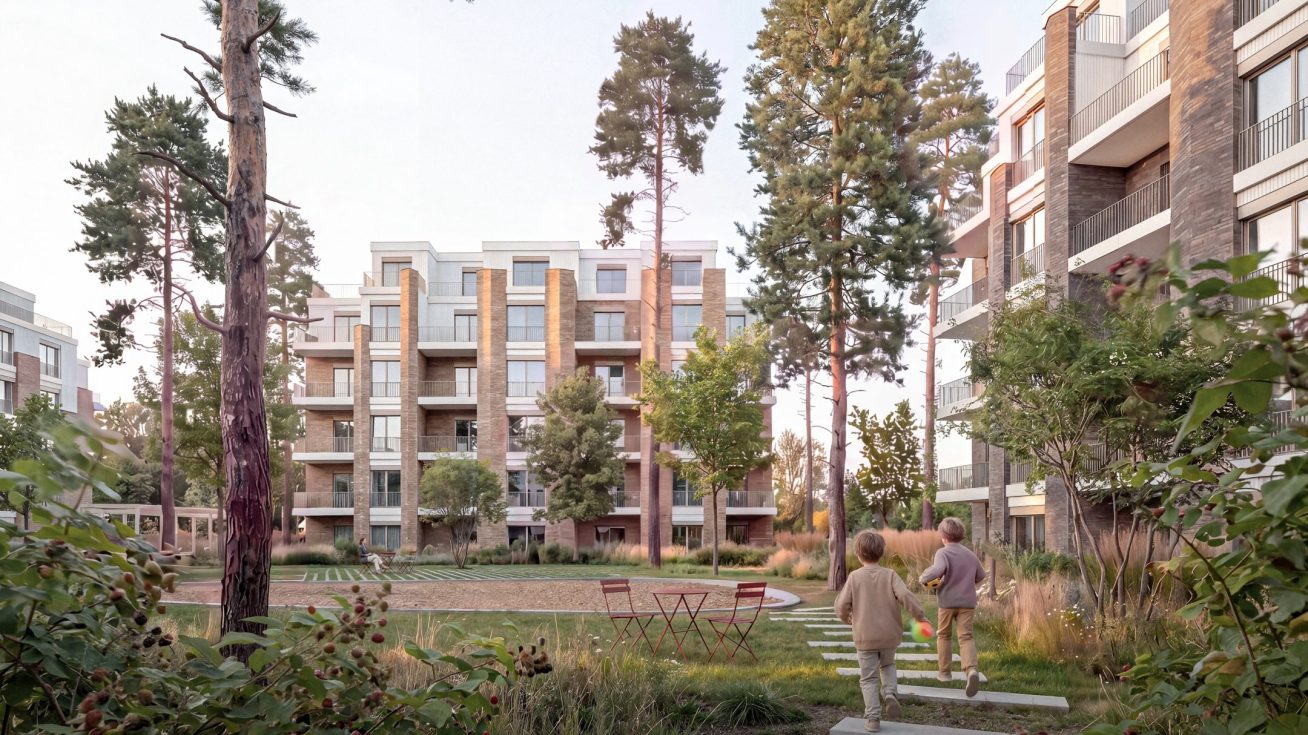
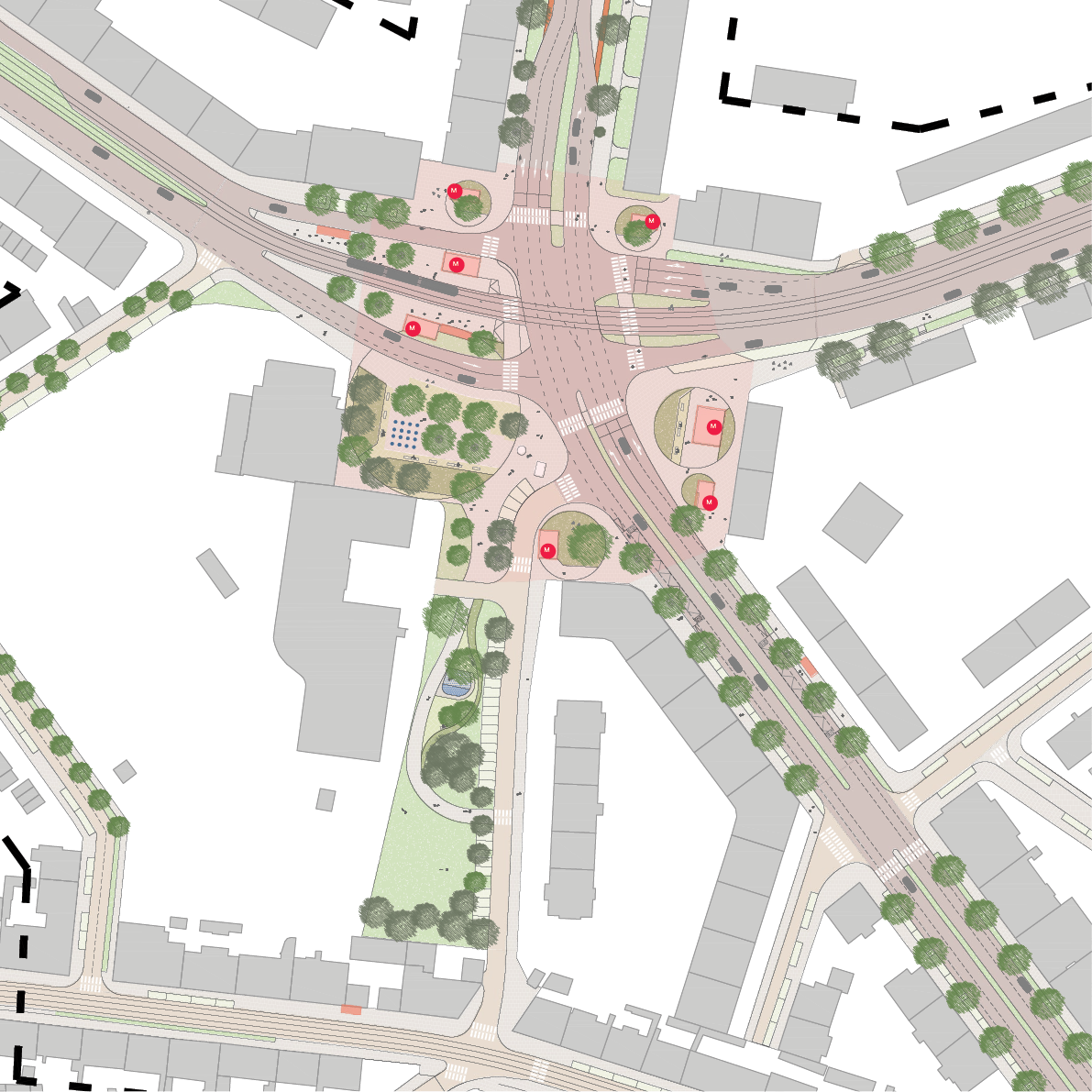
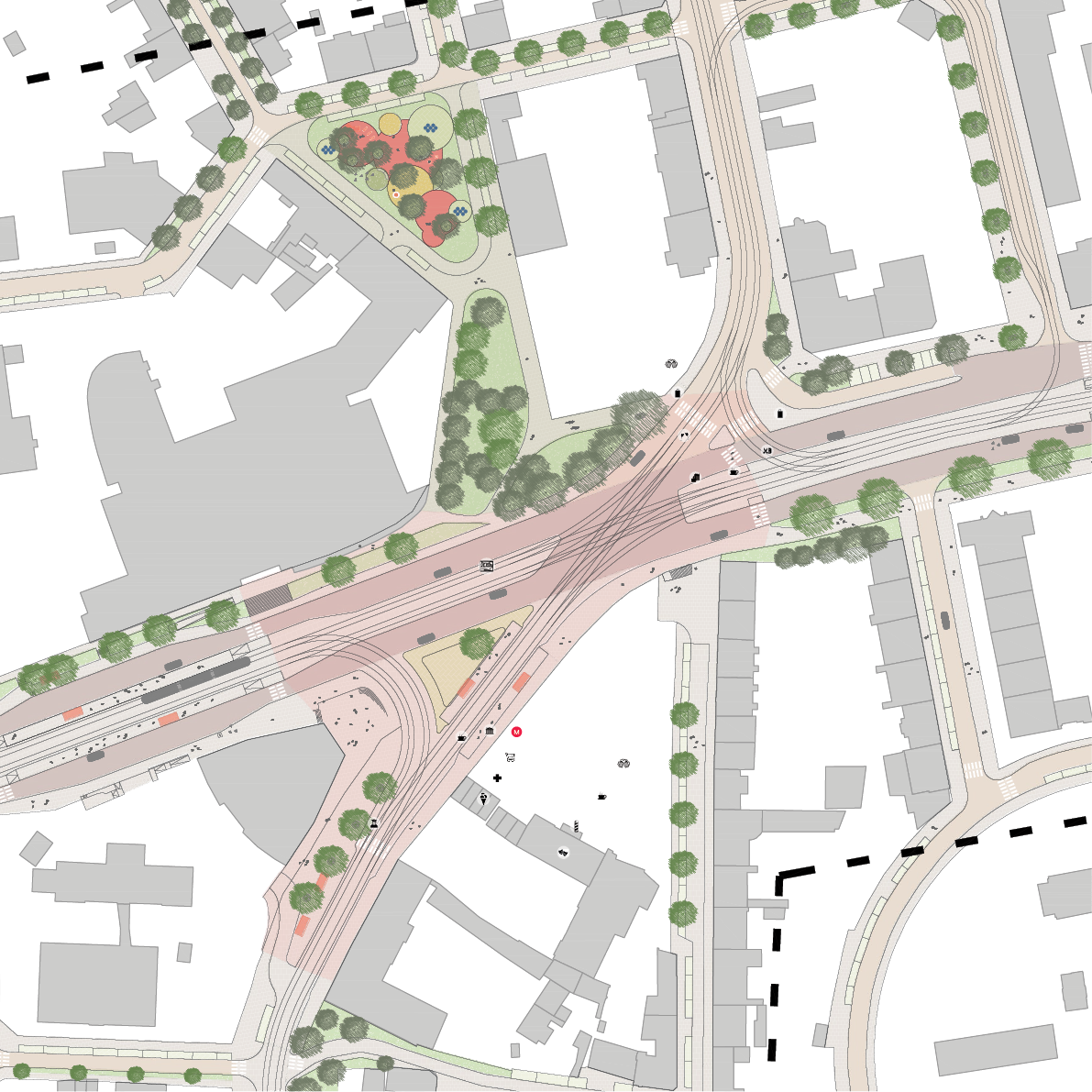
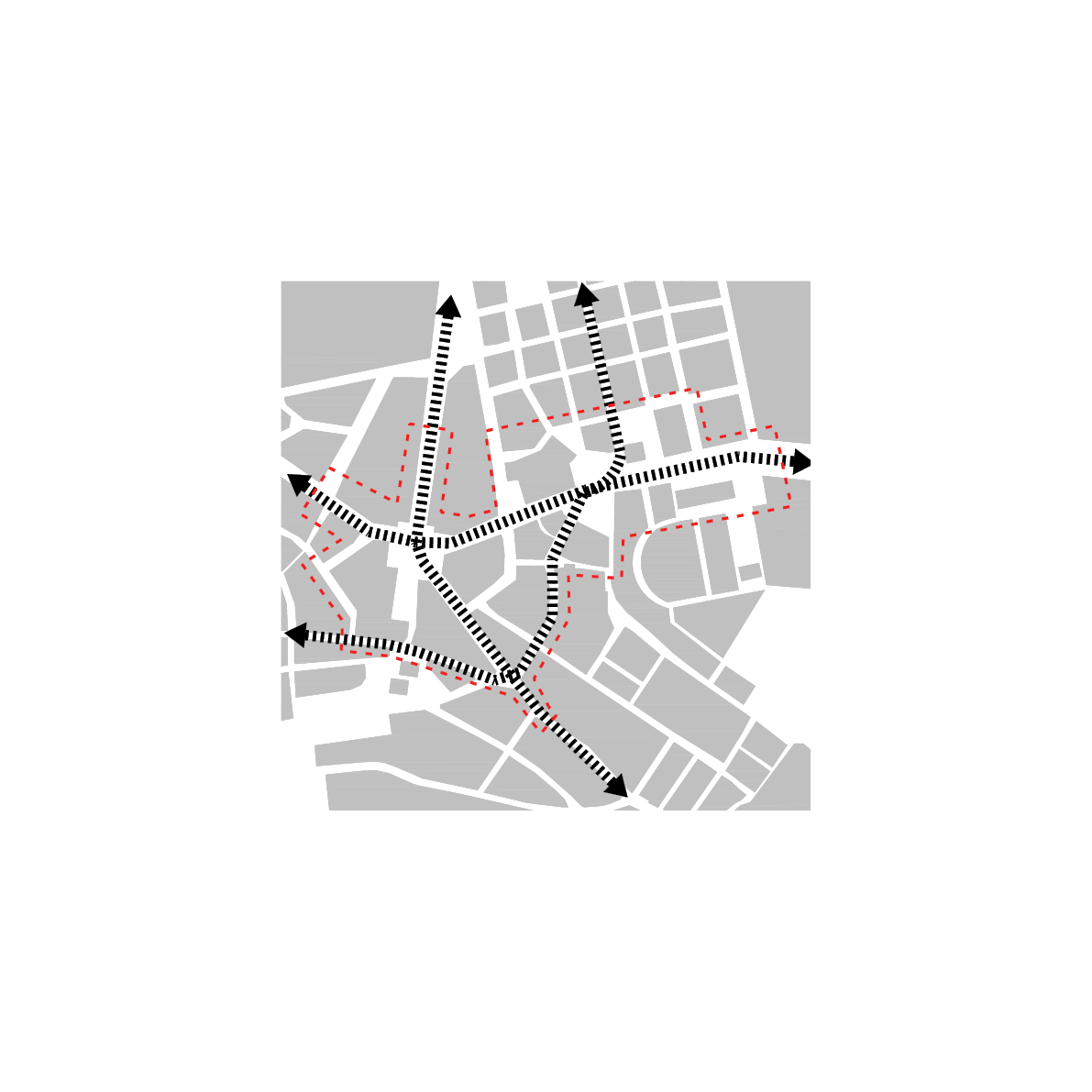
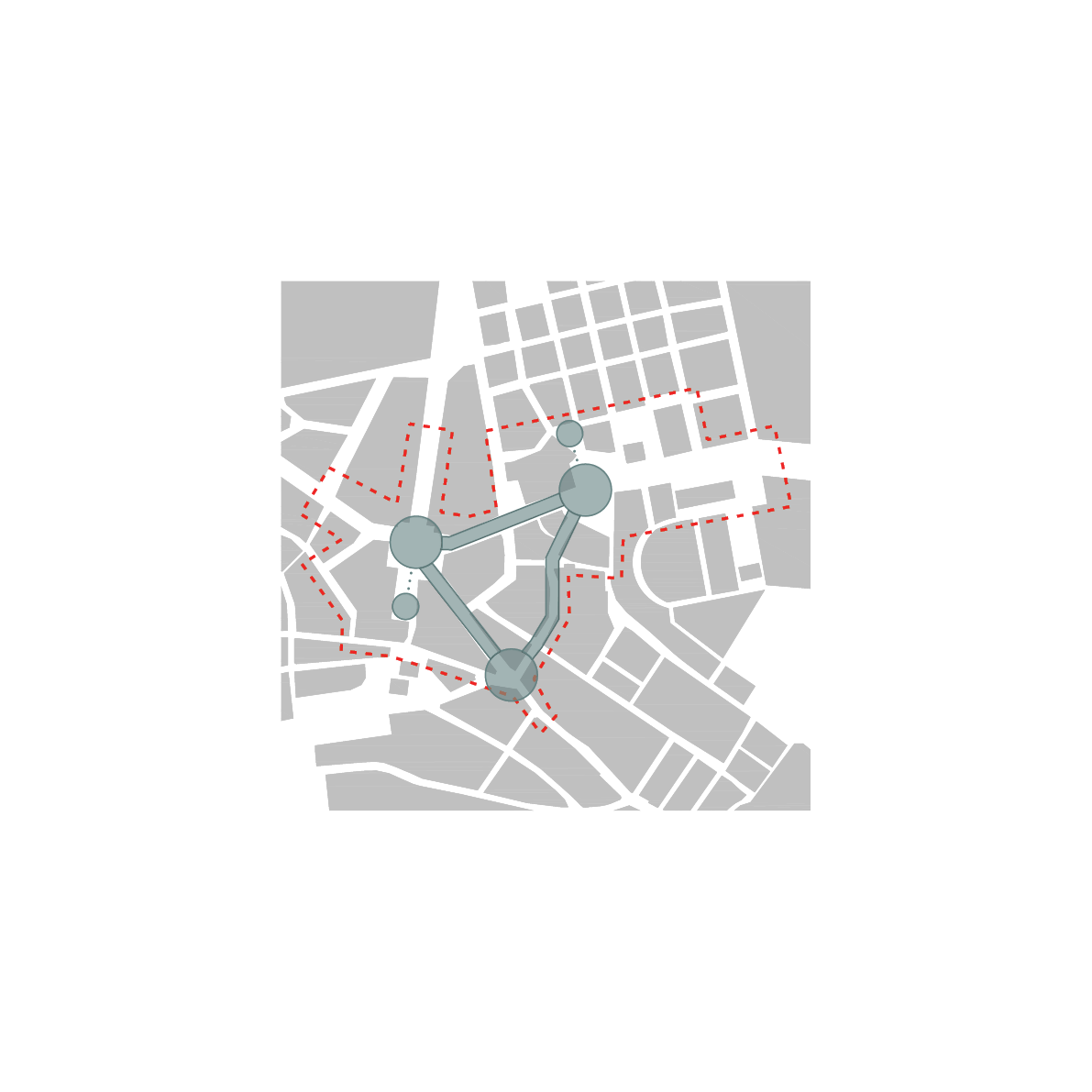
The proposal connects existing green areas, courtyards and the front of public buildings into a continuous network of meeting places. The activation of the ground floor along the main streets supports small businesses and everyday urban life. Micro-spaces are transformed from traffic residues into quality places of residence with community potential. The area gains a stronger identity and natural social stability.
Blue-green infrastructure as an investment in the future
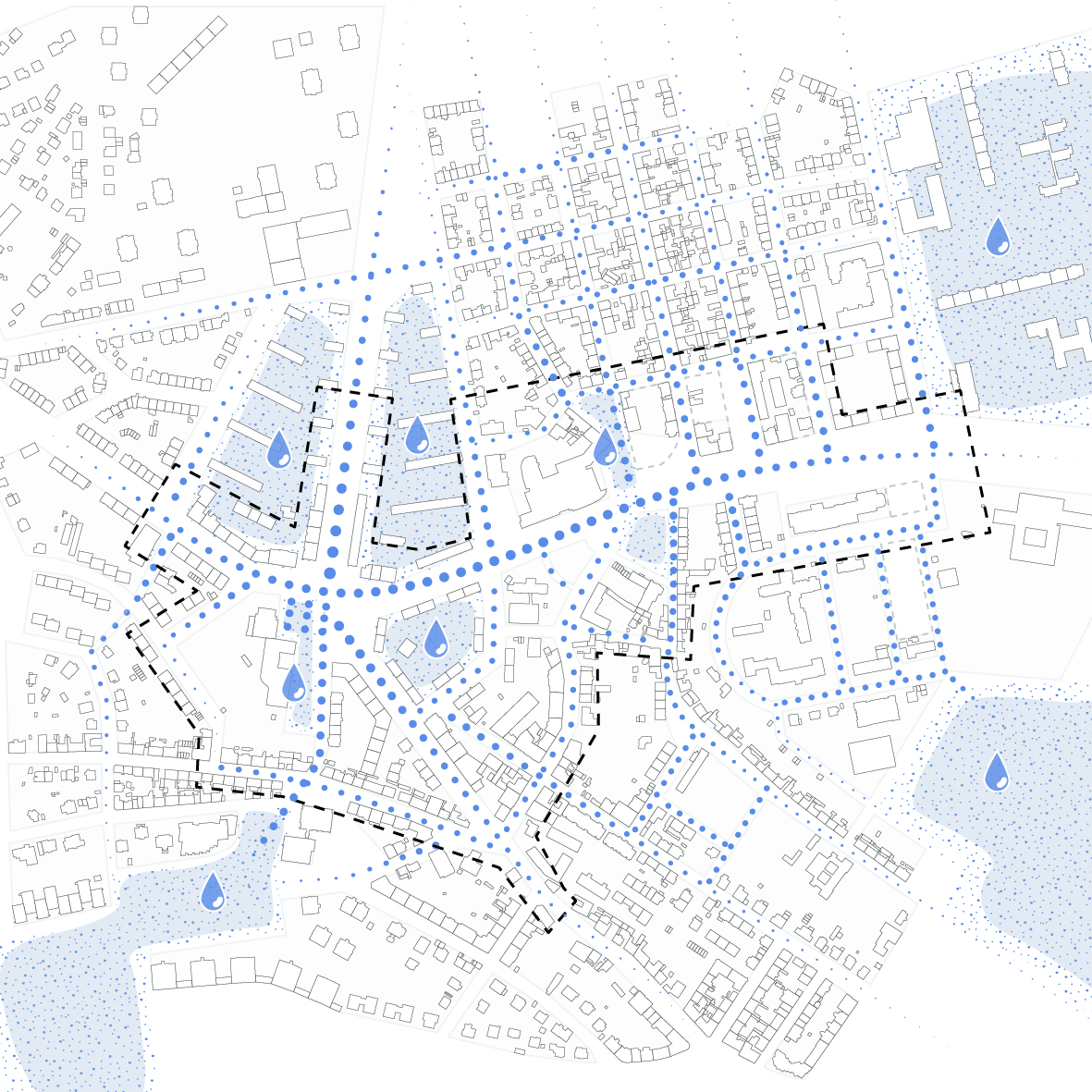
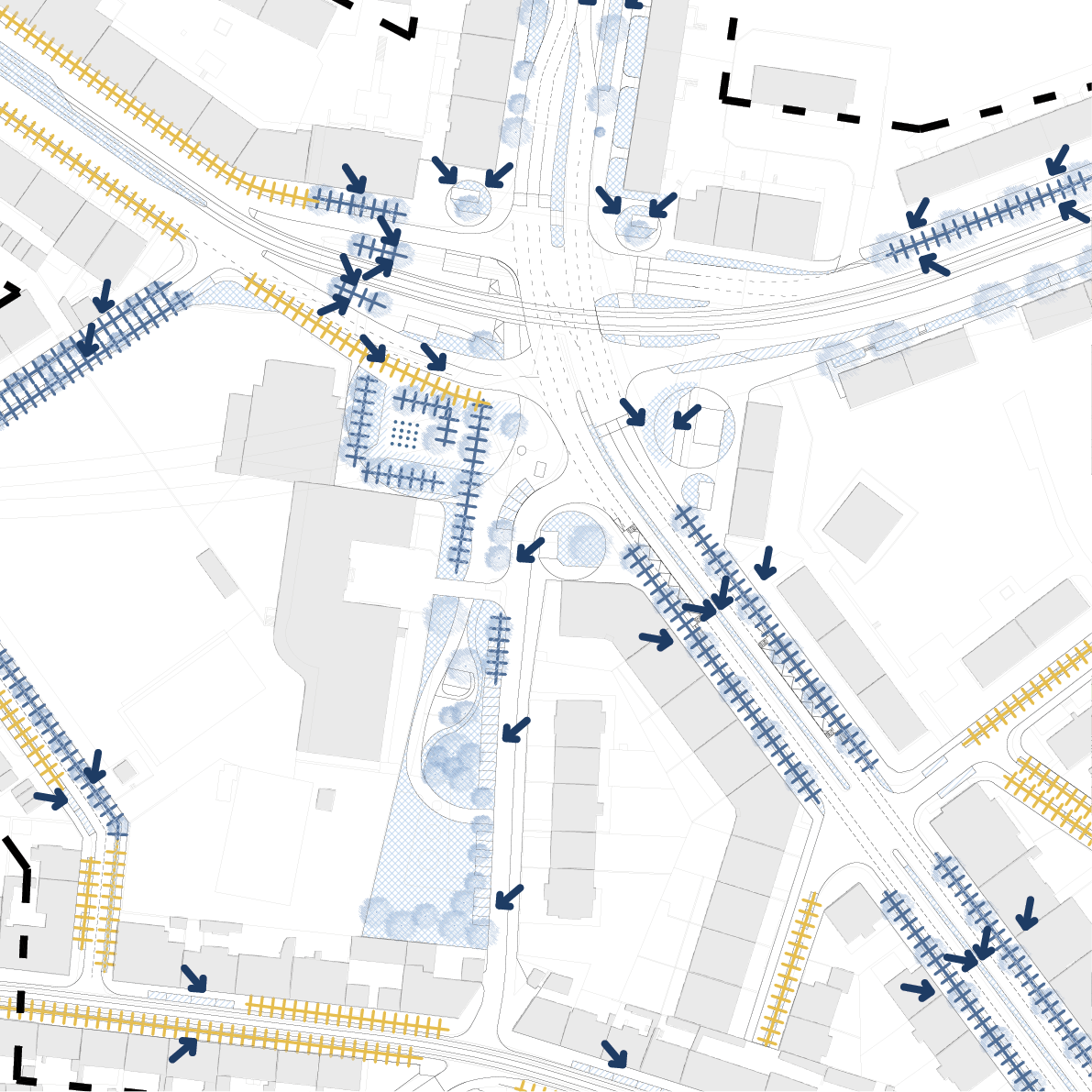
The systematic incorporation of rain gardens, retention strips and tree alleys enhances the environmental resilience of the site. Measures slow down stormwater runoff, improve microclimate and promote biodiversity.
Greenery becomes not only a technical tool, but also a key compositional element of public space. Revitalisation thus brings a sustainable and aesthetically cultivated appearance to the neighbourhood.