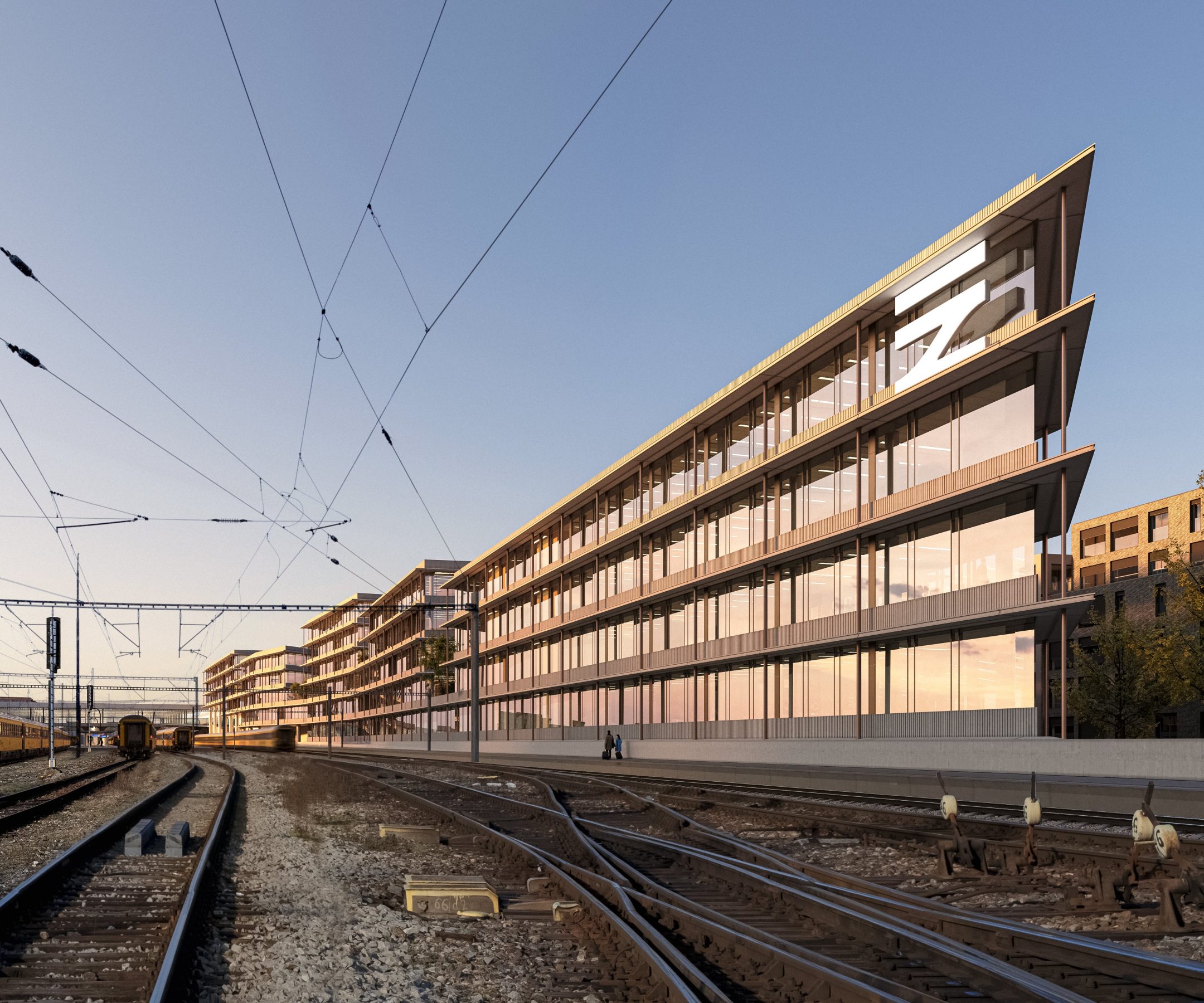
Key buildings in large cities are competing in international competition (Prague Philharmonic Hall, Main Railway Station Brno), but also medium-scale buildings in the regions(the Chýně Union School in Hostivice or the 4Dvory apartment buildings in České Budějovice). The Chamber of Architects has been presenting itself for the last five years by intensively putting pressure on municipalities not to give public contracts out of hand. And surprisingly, this is actually happening. They are the contracting authorities who have to set the standard of quality. There is still room for improvement, however – municipalities and small towns in particular have already adopted architectural competitions and use them, but large public contracting authorities have minimal recourse to them, while administering large investment projects.
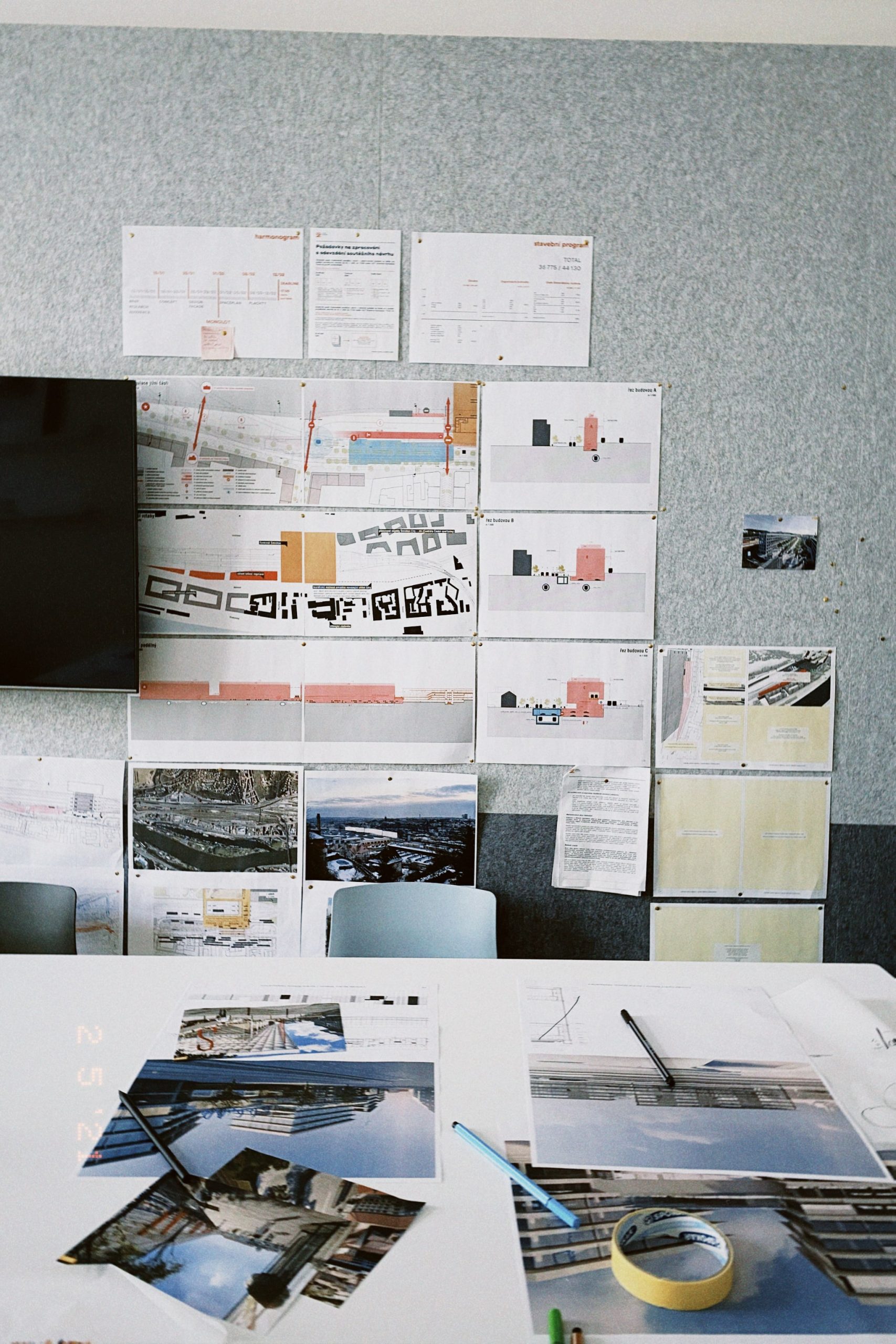
As far as the competition entries are concerned, the quality is of a very professional standard. The briefs are generally comprehensive with a clearly defined programme, non-negotiable limits and additional requirements. However, the amount of work to be submitted increases proportionally. And if you want to place on the top rungs, know that the quality of the work must match. Truly elaborate floor plans, facade sections, professional visualizations, energy concept diagrams, all cost studios a lot of time and money. But the trend is
also towards increasing fees, so it often pays for architects to win second or third place. Design visualizations always promise a better tomorrow for the public, but there is still a long and thorny road to implementation. Published winning projects that one cannot overlook in the public media space must thus move on to the next, more complicated phase of implementation. However, unlike in previous years, most of them are actually being realised(Amos Primary School or Chýně Primary School).
When an atelier decides whether to enter a competition, it must feel that it is not just a pure lottery, but that with the quality of the work it is naturally approaching a good position. Personally, we always look with interest at the composition of the jury and consider whether the person in question is really competent to decide on the best design. We have to trust that the amount of work done will translate into something real, otherwise it is an extremely demotivating job.
Not finishing on the podium always tastes bitter, but even third place is not exactly something to celebrate. Unfortunately, the competition protocols and the jury’s reasoning in general remain far behind the foreign standard. For example, at the the website of the building authority in Zurich there is a detailed list of all completed public competitions with often very extensive justifications in PDF. Each evaluated proposal is given at least one page of comments. This is based on the premise of a classical school evaluation. When I receive a bad grade, I want to carefully review the entire test and analyze where I went wrong. If I want to learn from previous failures, I need feedback, and so far we can only guess with Czech competitions. It’s a great pity, because it suddenly puts a bad light on the whole process, which is otherwise conducted on a professional level, and the contestants can’t help feeling a certain degree of unfairness that a decision was made in half an hour and behind closed doors according to “feeling”. I believe that the jury made the best possible decision based on their erudition, but it is easy to question their work when the judging criteria are not mentioned. I feel that producing a clear rationale with the priorities that were given the most emphasis is an adequate outcome of a competition that often takes several months. Everybody wants to compete, but few want to play roulette with their time and capital.