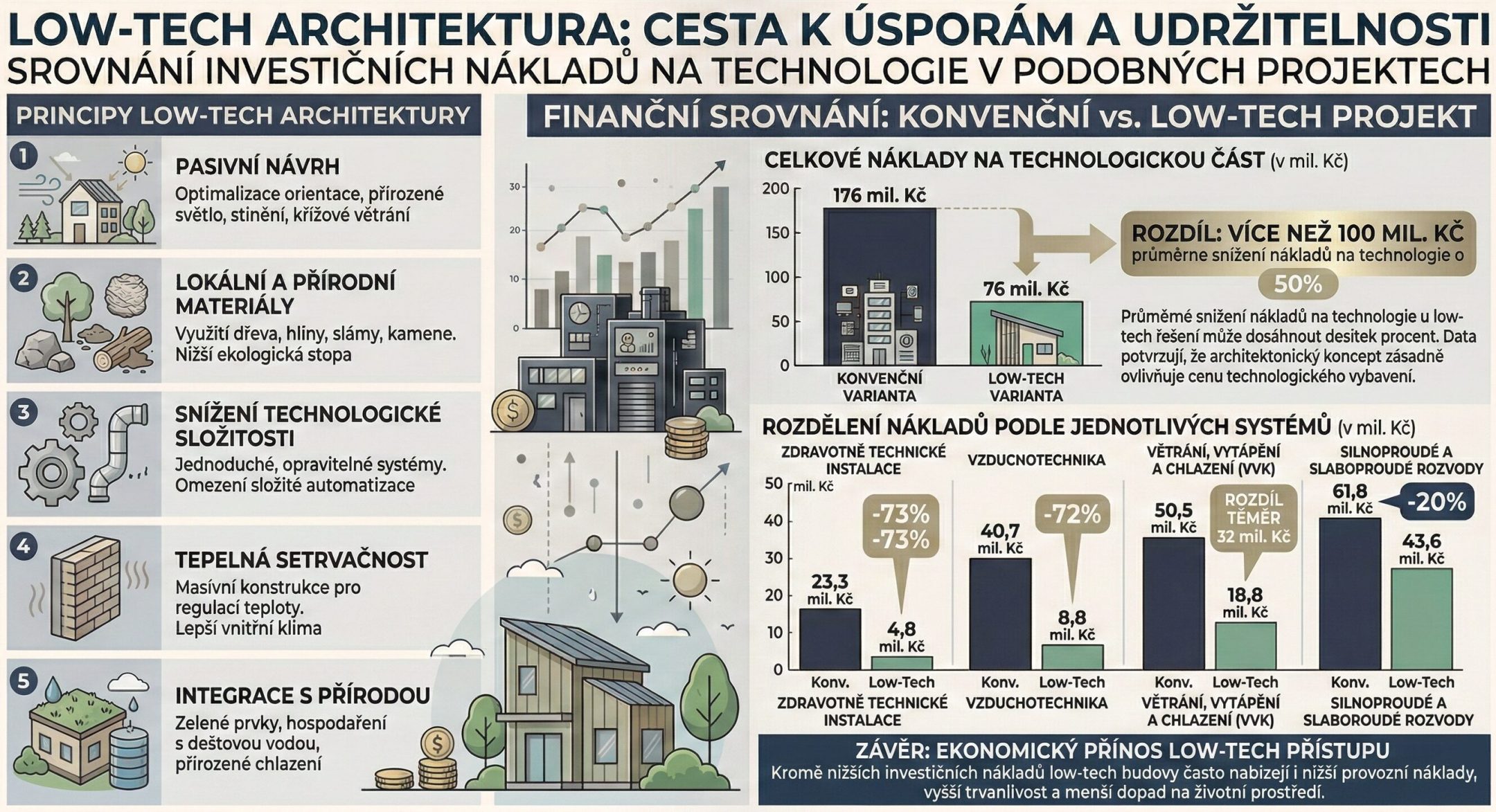
The total cost of the technological part of the project amounted to CZK 176 million for the conventional variant. The low-tech variant works with an amount of CZK 76 million, which represents an average reduction in technology costs of 50%.
The most significant differences were seen in the health technical installations, where the costs fell from CZK 23.3 million to CZK 4.8 million (-73%), and in the air conditioning, which fell from CZK 40.7 million to CZK 8.8 million (-72%). For ventilation, heating and cooling systems, the difference is almost CZK 32 million (from CZK 50.5 million to CZK 18.8 million), i.e. -34%. Power and low-current distribution systems have fallen from CZK 61.8 million to CZK 43.6 million (-20%). The data confirm that the architectural concept fundamentally influences the scope and price of the building’s technological equipment.
“Low-tech is not about resignation to comfort or indoor environmental quality. It’s about smart design that uses passive principles – orientation to the cardinal points, working with shading, natural ventilation or optimising fire design. If the architecture works on its own, it doesn’t need as many supporting technologies,” says Markéta Pavlunová, Head of Architecture at Studio Perspektiv.
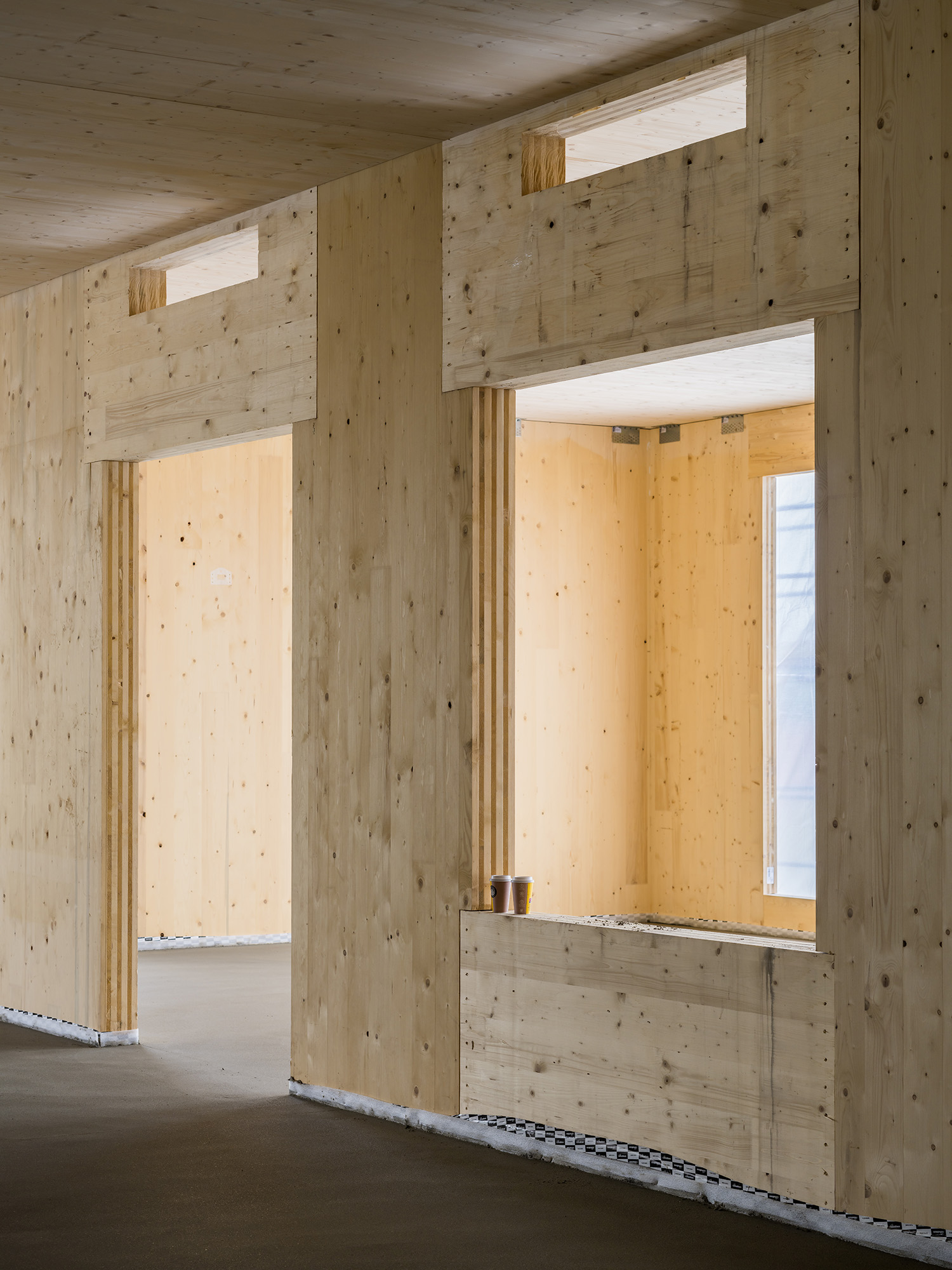
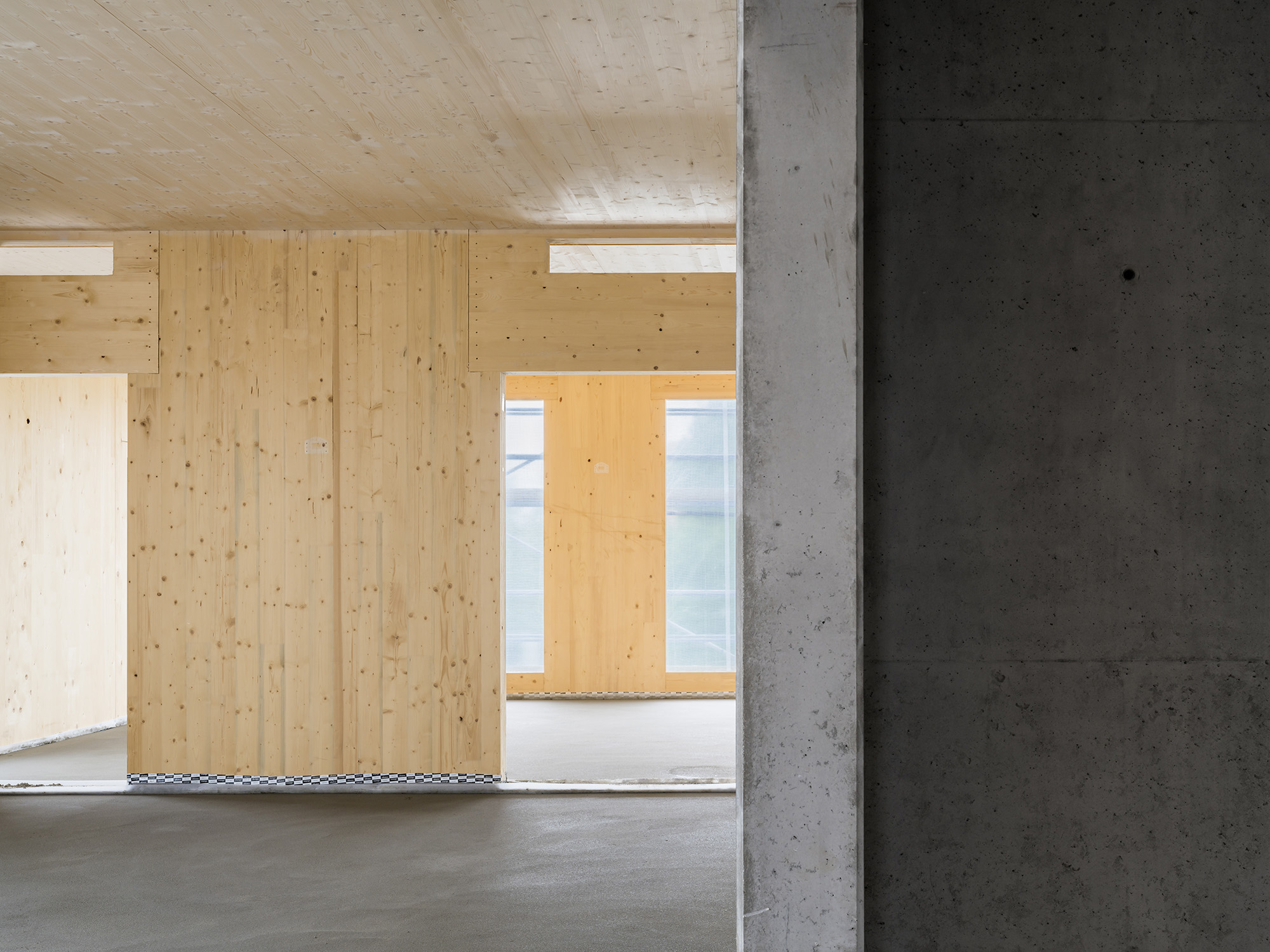
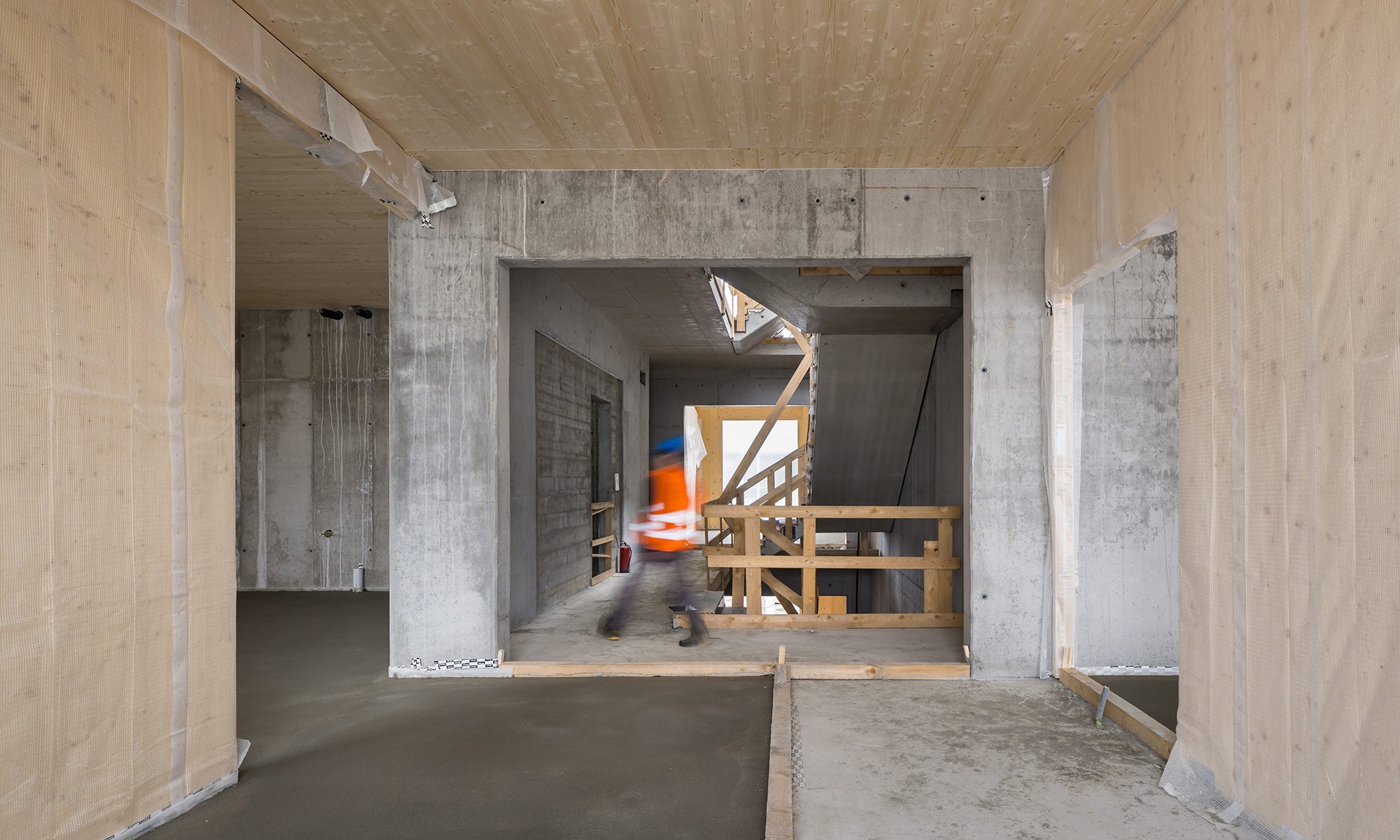
The principle of low-tech architecture is based on simplicity, resilience and long-term operational sustainability. Less technology means not only a lower investment in implementation, but also less demands on service, maintenance and future equipment renewal. In the environment of public buildings, schools or office buildings, this can make a significant difference to an operator’s long-term budget. Practical experience shows that complex technological systems may operate without major problems in the first few years, but without regular servicing and professional management they become a significant financial burden after ten or fifteen years.
“Technology is an important part of buildings, but it should not replace the quality of architectural design. If you design a building to naturally regulate light, heat and air, the investment in complex systems can be significantly lower. And so will the future costs of servicing them. Low-tech is a conscious choice towards economic and environmental responsibility,” adds Ján Antal, founder of Perspektiv Studio.
The results of the comparison confirm that the decision on the level of technological equipment of a building is crucial not only from the point of view of the investment budget, but also from the point of view of the overall life cycle of the building. Low-tech architecture is thus not a step backwards, but a strategy that combines economic rationality with sustainability and long-term functionality.
Annex 1: Table comparing technological investments in projects of the same typology
| Technology | Conventional solutions (CZK million) | Low-tech solutions (CZK million) | Difference (CZK million) | Savings (%) |
| Health Technical Installations (HTI) | 23,3 | 4,8 | 18,5 | 73 % |
| Air conditioning (HVAC) | 40,7 | 8,7 | 32 | 72 % |
| Ventilation, heating, cooling | 50,5 | 18,8 | 31,7 | 34 % |
| Power and low-current wiring | 61,8 | 43,6 | 18,2 | 20 % |
| Total technology | 176,3 | 75,9 | 100,4 | 50% (average) |