Biophileher Design: how nature improves the office environment

Michaela Novotná, 15. 7. 2025

Interior

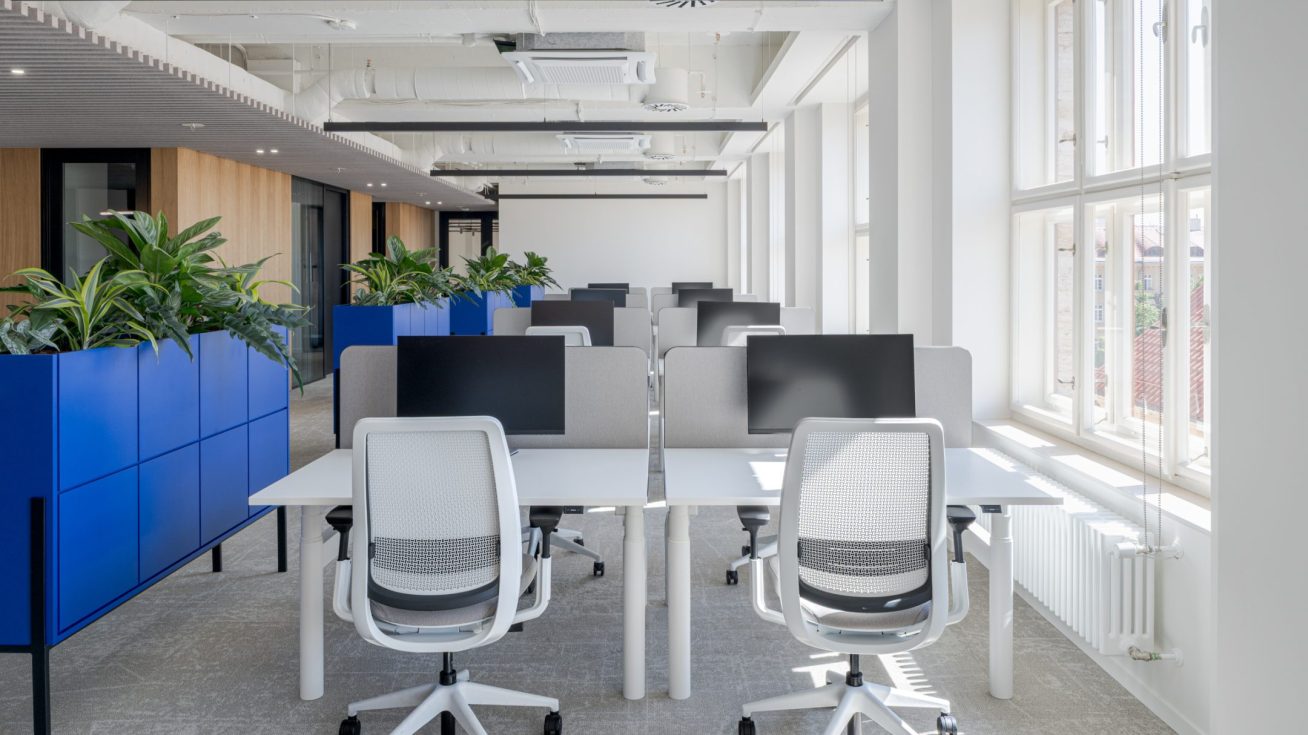
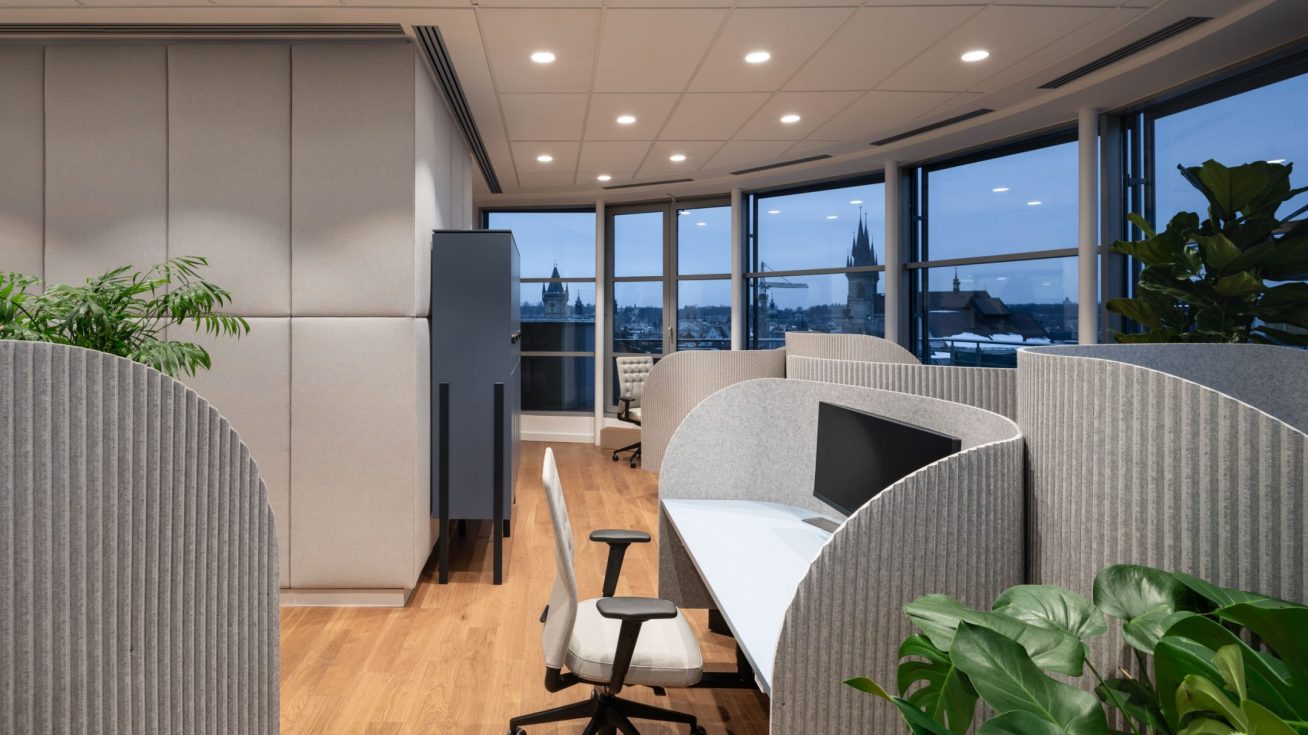
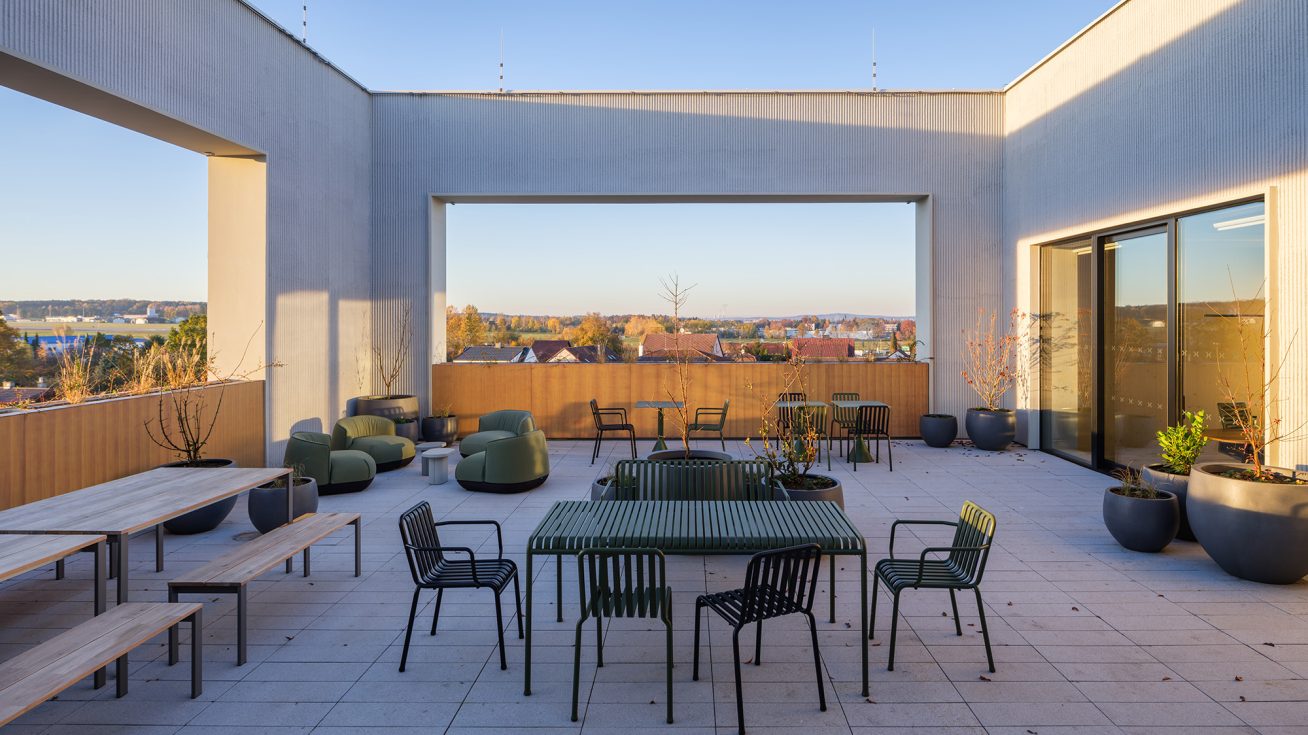
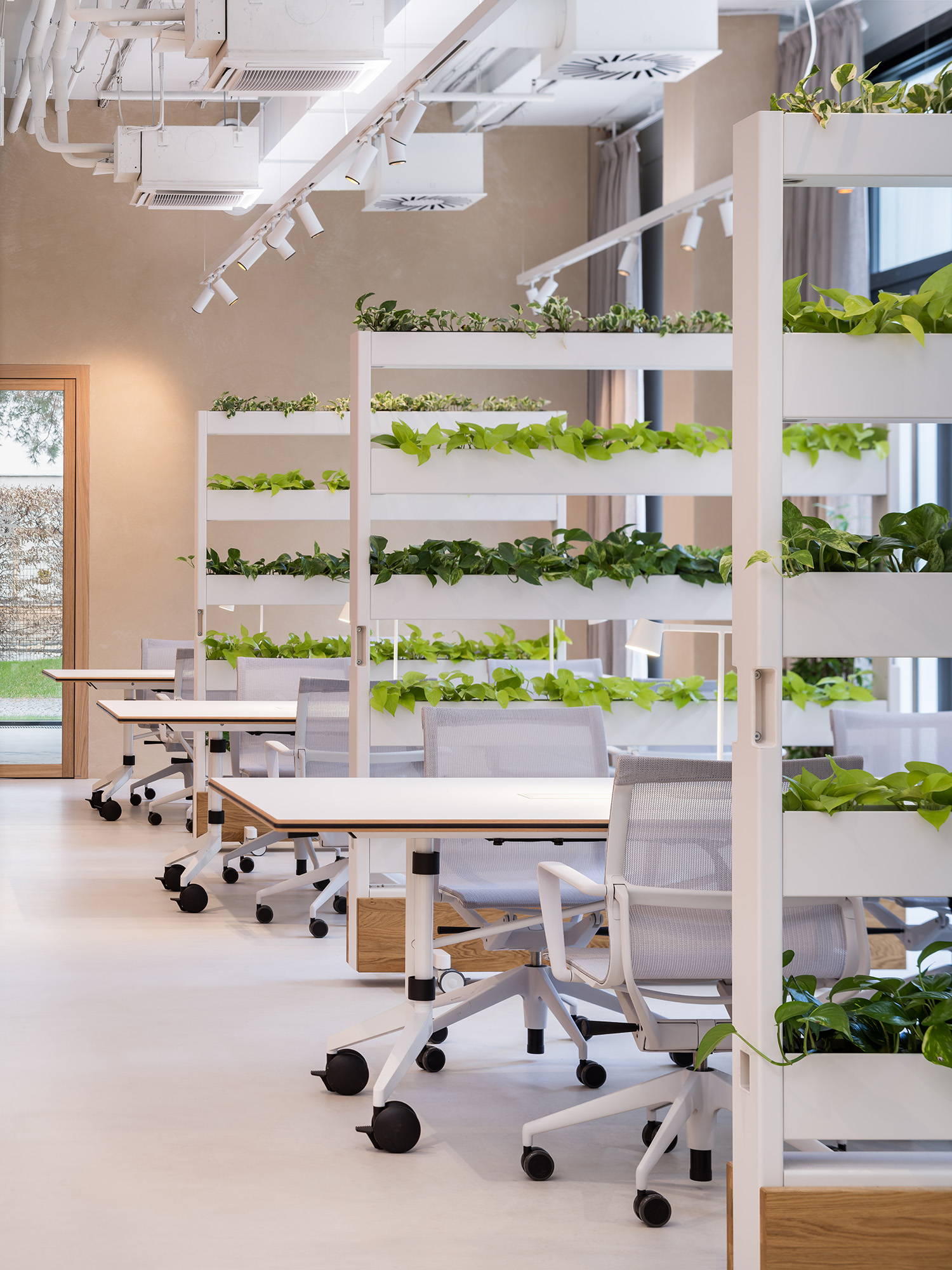
Modern offices are not just defined by technology or ergonomics. More and more companies are discovering the magic of biophilic design – connecting the working environment with nature. This approach improves not only the appearance of offices, but also the health, productivity and satisfaction of people.

What is biophilic design?

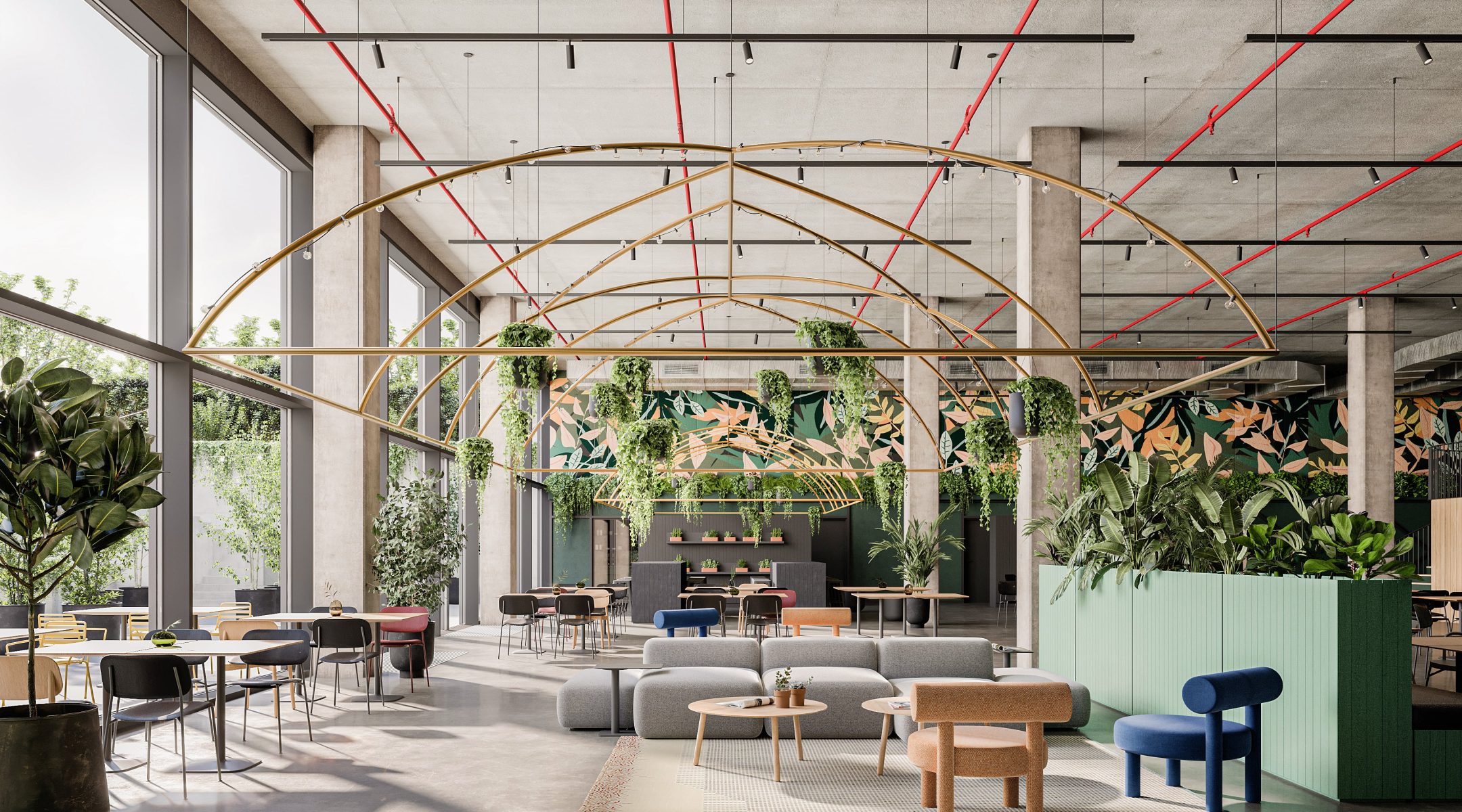
The biophilic design is based on Biophiliawhich is the natural human need to be in harmony with nature. The term was popularized in the 1980s by biologist Edward O. Wilson when he described the positive influence of natural elements on the human psyche. In practice, it is about incorporating living plants, natural materials and nature-inspired colours into interiors.

Why is biophilia important in offices?

We spend most of the day indoors, often without natural light or contact with nature. This leads to fatigue, reduced productivity and physical and mental discomfort. Biophilic design is the answer to this problem. These are examples of the benefits of biophilia in offices:

The benefits of biophilic design in numbers:

  • Employees in offices with biophilic elements report up to 15% higher well-being.


  • Our cognitive function improves by up to 26%.


  • Creativity increases by up to 15% thanks to the presence of natural elements.


  • Air quality can improve by up to 25% thanks to plants.

Simple ways to follow biophilic design:

  1. Plants – from houseplants to green walls. They help clean the air and bring life to the office.
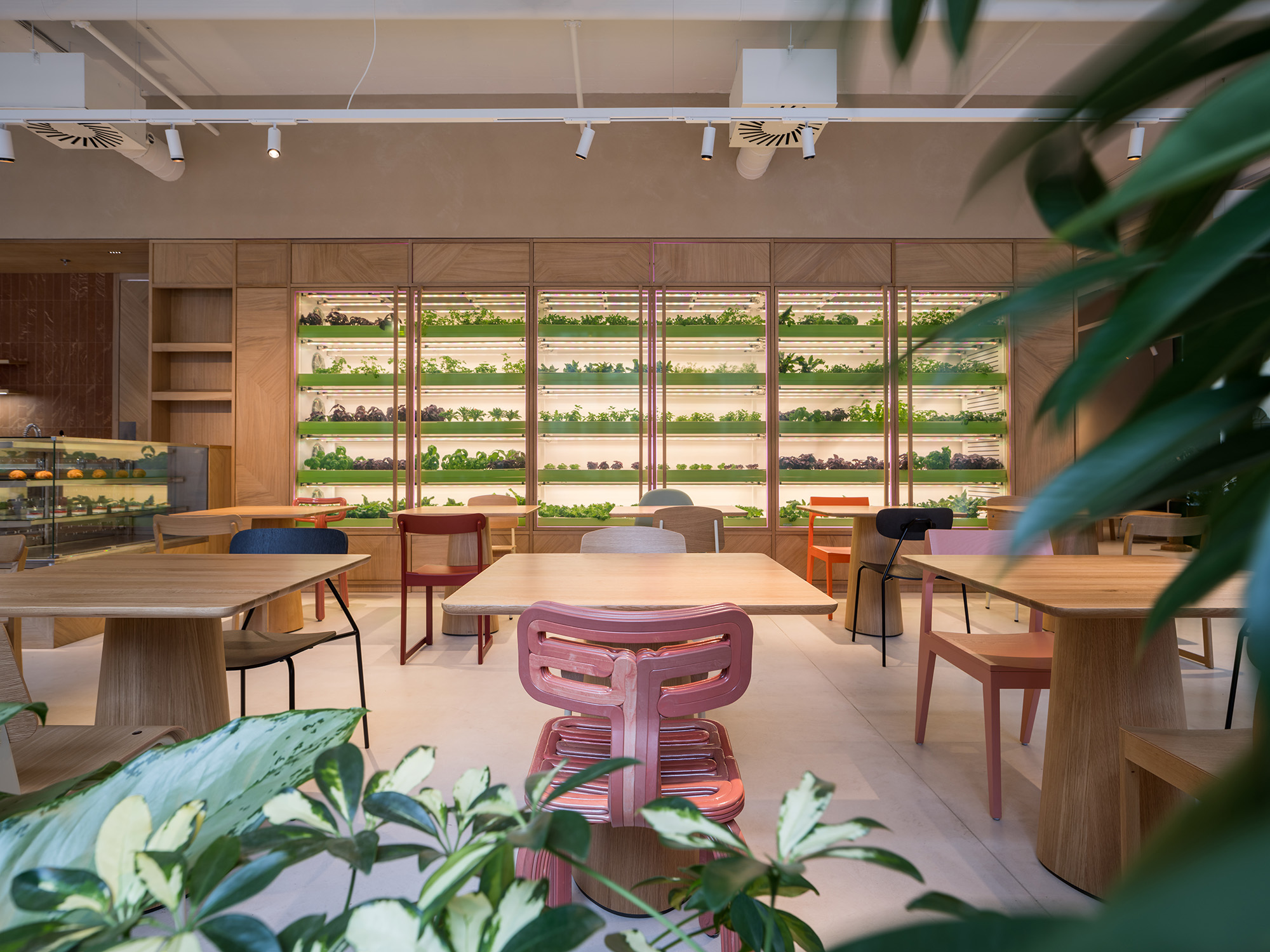
  2. Natural materials – wood, stone, ceramics or textiles that replace artificial surfaces.
  3. Daylighting – optimising light access in offices and smart lighting systems.
  4. Natural colours and textures – earthy tones, textures reminiscent of tree bark, stones or water surface.

For biophilic design, there is no need to consider extensive remodelling, but rather the thoughtful integration of nature into the workspace. Whether it’s live plants, natural materials or improving access to daylight. Even small steps can have a big impact on employee wellbeing and (therefore) performance.

Sources:Human Space, 2024, Harvard School of Public Health, 2024), Alvarsson et al., 2010, NASA 1989-2014

News

    GET IN TOUCH

    Want to work with us?