From koldoms to coliving. Shared housing as an architectural phenomenon

  • 25.7.2025
  • Matěj Beránek

Coliving is often presented as a modern response to the needs of today’s society. In reality, however, it has been a very important architectural phenomenon for more than 100 years – not only abroad, but also in the Czech Republic, where shared-service apartment buildings were built as early as the 1940s.

The topic of coliving, i.e. shared housing, has experienced a considerable boom in the last decade – while it is a relatively new business opportunity for investors, architects can in many ways build on the work of their interwar colleagues. Projects involving this type of housing, characterised by the occupation of very small private units and the sharing of common spaces within buildings, are currently booming, particularly in large cosmopolitan cities from New York to Amsterdam. In the Czech Republic, modern coliving is still in its infancy, and only the first buildings of this type are being built in the Czech Republic – however, in the coming years it is expected to develop along the lines of other European cities.
Zdroj: Wikimedia Commons, Autor:

Czech koldoms

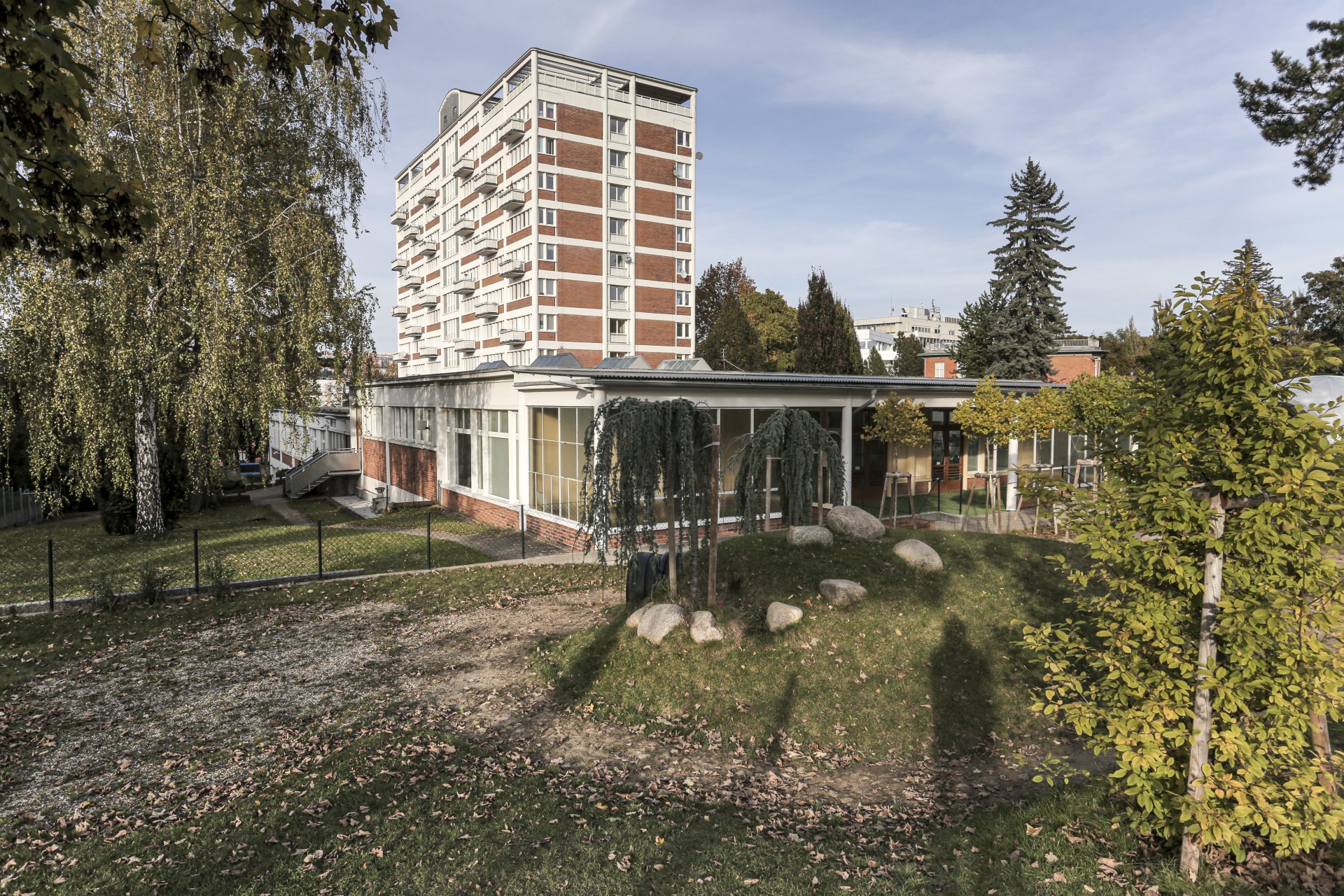
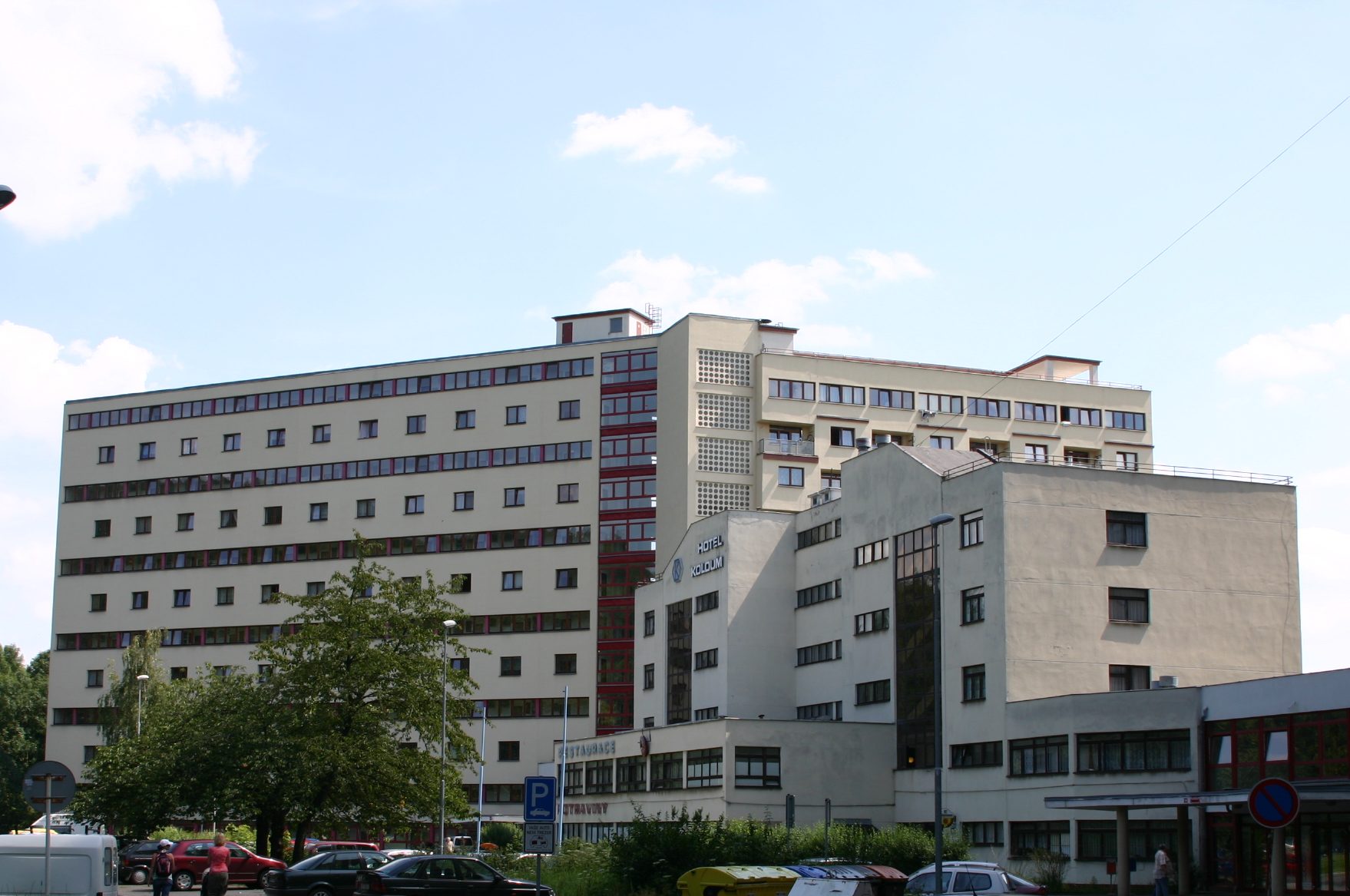
Nevertheless, many Czech cities have more than seventy years of experience with this architectural typology, because the theme of shared housing also resonated strongly with the generation of interwar architects who were intensely interested in new models of affordable housing – especially with regard to their generally left-wing thinking. At that time, the term collective houses, or koldoms for short, was used instead of the term “coliving”. The very first collective house was built just after the end of the Second World War in the then progressive city of Zlín, according to a design by the architect Zdeněk Voženílek. The building, which is still appreciated today, with its architecture referring to the Bata tradition of skeleton buildings, offered over 100 small flats with a common dining room and a kindergarten. Another collective house was built in Litvínov in 1958 on the basis of an architectural competition won by the architectural duo Václav Hilský and Evžen Linhart. In practice, however, the ideas of collective housing did not prove to be very successful, and so it also serves today as a residential complex with small houses. Many other housing complexes of the 1950s also showed some signs of shared housing, as the approach to housing in general reflected the emphasis of the time on community building and an overall preference for the whole over the particular.


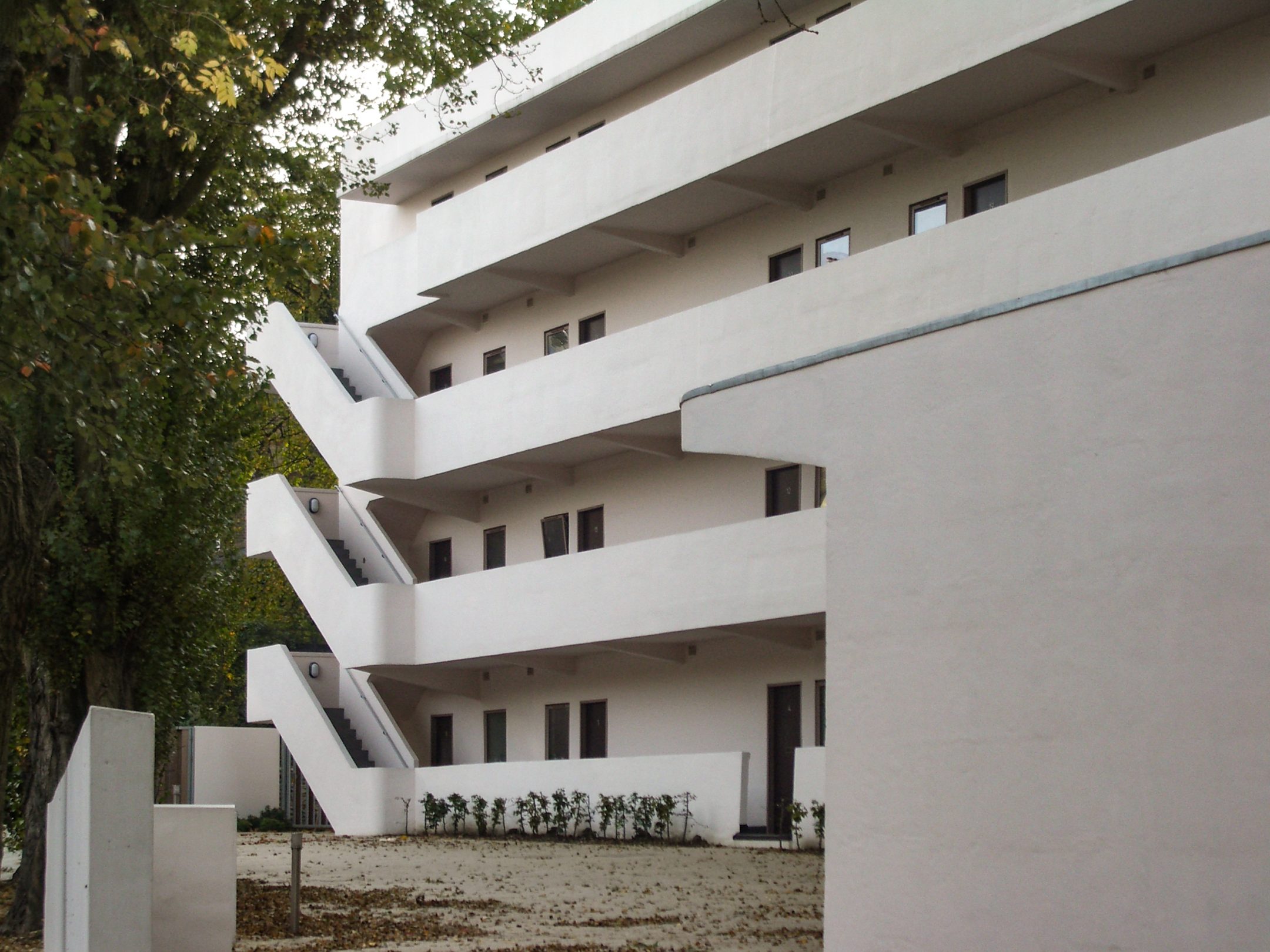
A few decades earlier, “coliving” buildings were being built in England, for example. One of the earliest realizations of collective housing in modern times is the Lawn Road Flats (or also Isokon Building) in London from the early 1930s, designed by architect Wells Coates. The project’s ideas were generally drawn from the MARS (Modern Architectural Research Group), the British offshoot of the famous modernist platform CIAM (International Congress of Modern Architecture). The building offered a communal laundry, bar and large communal roof terrace in addition to a dining room. Today, it is a cultural monument, largely due to the fact that Bauhaus professors Walter Gropius, Marcel Breuer and László Moholy-Nagy resided in the building.

Smíchovský coliving

Present

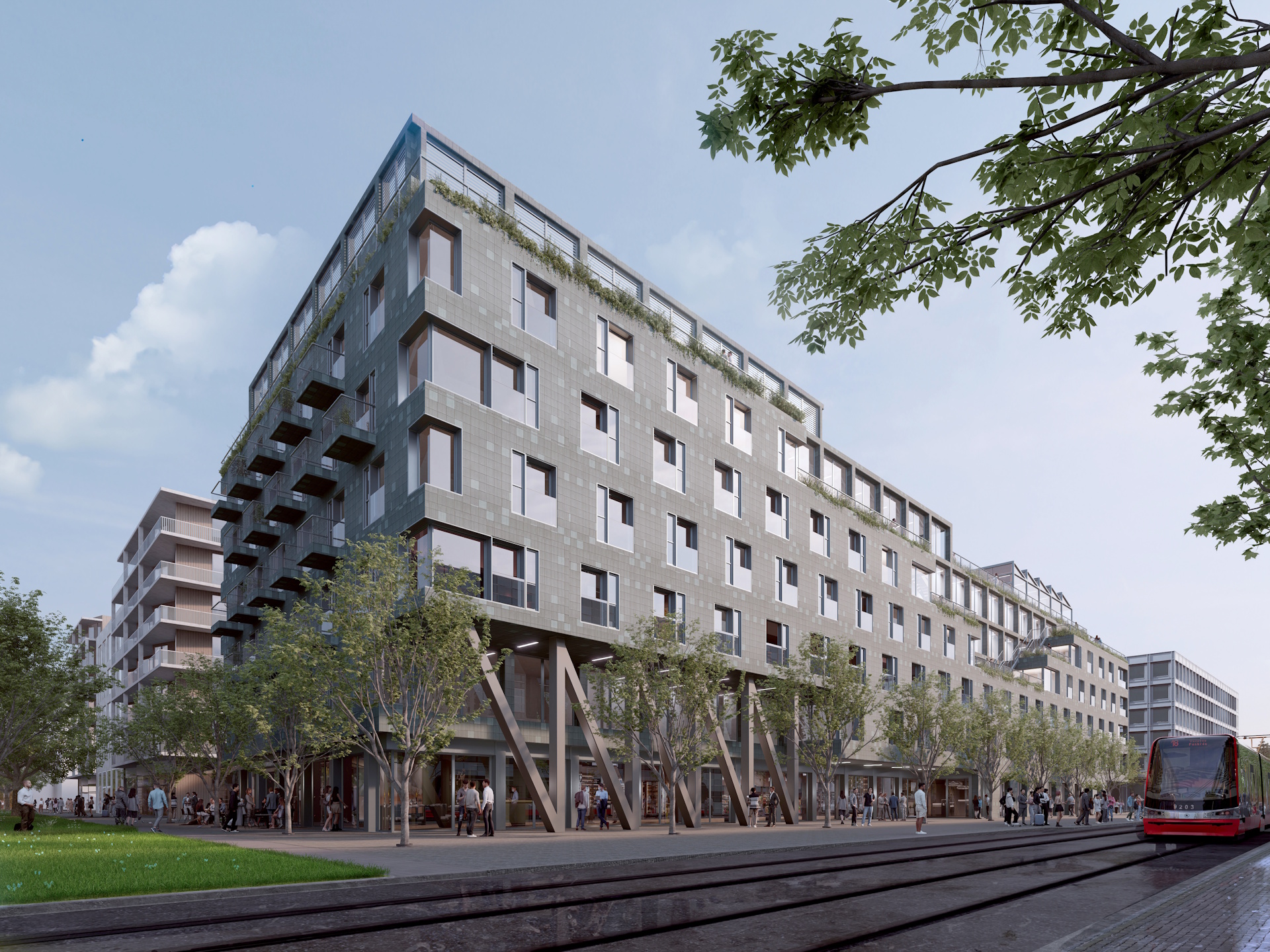
Over time, the typology of homes providing shared housing has adapted to current social needs, technological advances and business goals – private players and local governments have invested in building them from the start. However, whereas 100 years ago shared spaces were generally limited to eating and housework (or the aforementioned roof terraces and nurseries), today’s projects emphasise the provision of ample leisure facilities – so it is common to find community spaces ranging from fitness facilities to libraries to small cinema halls. At the same time, thanks to the efficient collection of data on the use of individual spaces by coliving project providers, the layout of common and private spaces, for example, is flexibly adapted to the current preferences of residents. Modern coliving buildings are being built in lucrative locations in city centres, as the primary target group is young professionals who prefer to live in the centre of the action.

Image: competition design of the Smíchov coliving by perspektiv studio

As already mentioned, coliving is nowadays a phenomenon, especially in the world’s big cities, where modern buildings are being built in accordance with current aesthetic trends. Private developers and global coliving providers predominate among the investors, but especially in the Nordic European countries, coliving has traditionally been supported at the state level, so that similar projects are also being developed in smaller cities and their outskirts to meet the needs of, for example, young families and the elderly. Such units are much more civil in character, and may be a group of terraced houses or low-rise apartment buildings, usually with a common green yard. The Danish collective housing boom began in the late 1960s, influenced also by an article by the psychologist Bodil Graae entitled ‘Every child should have 100 parents’.

Around the world, countless coliving projects are currently being completed, ranging from the renovation of urban apartment buildings to new residential complexes. It seems likely that this building typology will continue to evolve and an important challenge for architects will be the ability to provide coliving residents with quality spaces with an emphasis on flexible use, so that they can sustain themselves, particularly in the longer term. And to become a quality part of our cities, both architecturally and urbanistically.

    GET IN TOUCH

    Want to work with us?