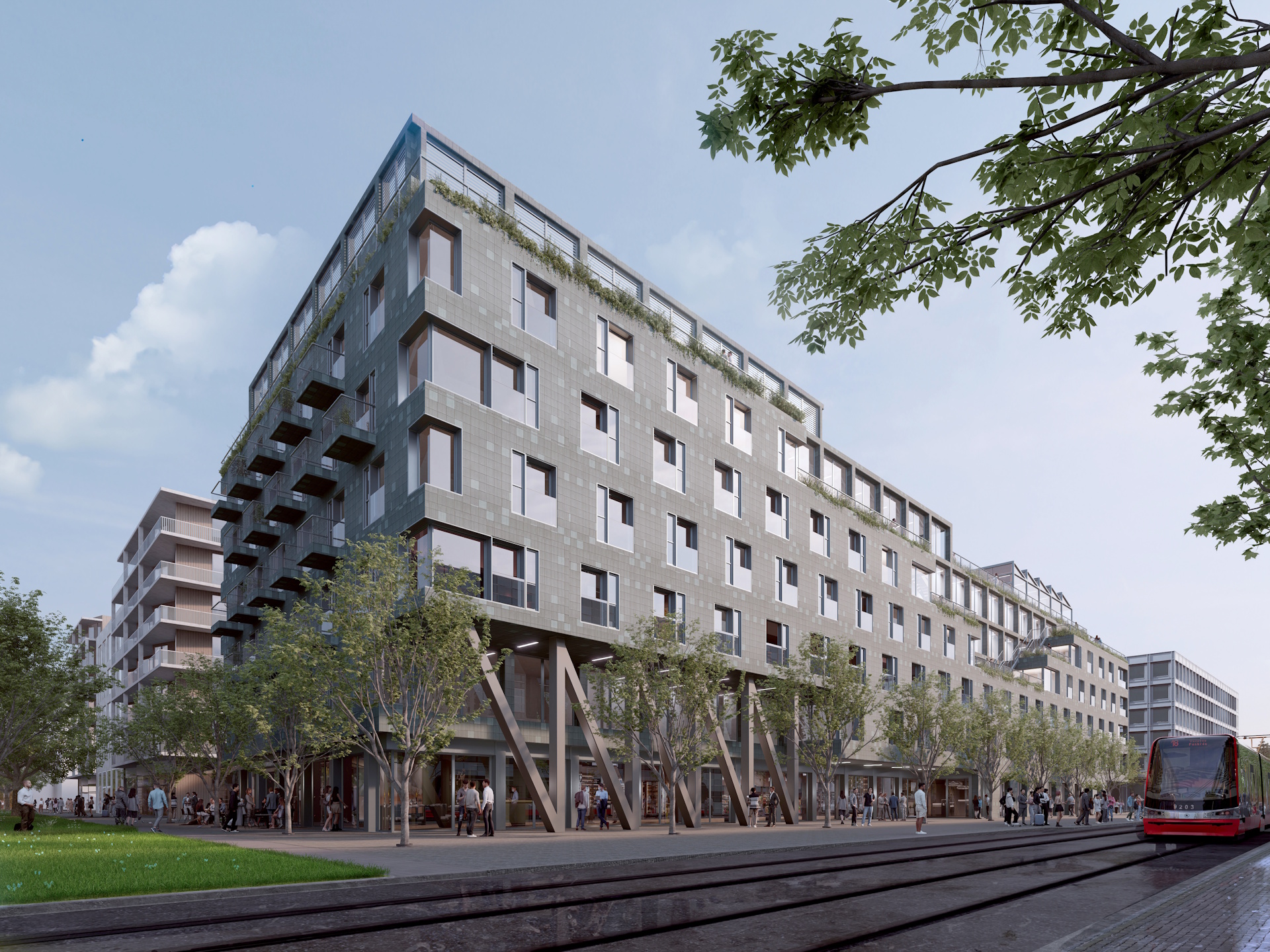
Coliving is experiencing a big boom abroad, but in the Czech Republic it hasn’t really taken off yet. How do you explain it?
First of all, it’s certainly good to be clear about what coliving is – personally, I consider it an institutional form of rental housing that is run by the investor, either alone or with the help of a manager. Coliving is revolutionising the way we think about housing. It combines privacy with the opportunity to be part of a community, which is ideal for today’s dynamic lifestyle. Young people are increasingly moving for work, changing cities and countries and don’t want to be fixated on long-term mortgages. Coliving allows them to live flexibly, sharing the cost of common areas while having quality facilities with a community spirit. In addition, in Western countries, coliving has proven to be a good option not only for young professionals but also for seniors who are looking for social contact and an active lifestyle.
What does a typical coliving building actually look like? How does it differ from a typical rental housing?
Coliving is all about cleverly connecting private and community spaces. A typical coliving unit is around 25-30 m² and includes a private bathroom and a small kitchen. But the key element is the added value of the communal spaces – for example in our own project, the competition proposal coliving in Smíchov, on the ground floor you will find a lounge, café or coworking area where people work or relax. On the roof we placed a community kitchen with the possibility of booking lounges (for example for a larger party) and on one of the floors there was a wellness zone with a swimming pool. The building management keeps all the shared spaces clean and functional, so residents have the convenience of hotel service but still feel at home.